Superior Baking Co: Trusted Wholesale Bakery Supplier

Admin • December 3, 2025

For restaurant and cafe owners or managers, selecting the right bakery supplier is a critical decision that impacts both food quality and operational efficiency. The baking products you serve contribute significantly to your customers’ overall dining experience, making it essential to partner with a wholesale bakery supplier that delivers on quality, variety, and reliability. Superior Baking Company Inc. has established itself as a premier wholesale bakery company, trusted by countless restaurants and cafes for consistent, fresh-baked goods and dependable service.

Consistent Quality From a Trusted Wholesale Bakery Supplier


When it comes to baked goods, consistency is king. Patrons return to restaurants for their favorite dishes, expecting the same taste and texture every time. This is why partnering with a wholesale bakery supplier like Superior Baking Company Inc. ensures your menu items maintain the highest standards of quality day after day. Using premium ingredients and expert baking techniques, Superior Baking Company Inc. crafts products that consistently meet the expectations of discerning chefs and customers alike.


Superior Baking Company Inc.’s commitment to quality supports your restaurant’s reputation. Fresh, flavorful breads, rolls, croissants, and pastries are essential for many menu items, from sandwiches and soups to desserts and breakfast offerings. Drawing on their expertise, Superior Baking Company Inc. helps maintain the excellence your business strives to provide.


For restaurant owners interested in enhancing their establishment’s ambiance and menu appeal, consider this guide to family-style restaurant dining, which highlights the role of warm, freshly baked goods in creating a welcoming, shareable dining experience. Incorporating Superior Baking Company Inc.’s artisanal baked products can elevate these settings and delight guests.


Reliable Delivery and Seamless Supply Chain Management


A wholesale bakery supplier’s service reliability can significantly affect a restaurant’s daily operations. Late or missed deliveries can cause severe disruptions in busy kitchens, leading to menu limitations and unhappy customers. Superior Baking Company Inc. understands the importance of prompt deliveries and features a well-structured distribution system to ensure your orders arrive fresh and on time.


Superior Baking Company Inc.’s reliable delivery helps restaurants avoid last-minute supply issues, so you can confidently plan menus without worrying about bread or pastry shortages. Their knowledgeable logistics team works closely with clients to coordinate delivery schedules that best suit your operation’s needs, creating a hassle-free experience.


Extensive Range of Signature Baked Goods and Customizable Wholesale Options


In today’s competitive food market, offering diverse baked goods can set your restaurant or cafe apart. Superior Baking Company Inc. specializes in a wide variety of signature bakery products, from classic artisan breads that pair beautifully with soups and salads to decadent pastries perfect for breakfast or dessert menus.


Beyond the rich selection of ready-made items, Superior Baking Company Inc. excels at offering customizable wholesale bakery options. Whether you require gluten-free varieties, specialty ingredients, or custom sizes and packaging, their team collaborates with businesses to tailor orders that match specific operational and branding goals.


By choosing Superior Baking Company Inc., your restaurant gains access to unique bakery products that enhance your menu and cater to evolving customer preferences. This adaptability is a key advantage of sourcing from a wholesale bakery supplier that truly partners with your business growth in mind.


Supporting Local Businesses and the Community in Brockton, MA


Choosing a wholesale bakery supplier located in Brockton, MA, such as Superior Baking Co., adds value beyond just product quality. Working with a local supplier supports the regional economy, fosters community connections, and often results in fresher products with faster delivery times.


Superior Baking Co. embraces its role as a local Brockton business, providing personalized service and an understanding of area restaurant demands. This proximity enables restaurants in the region to benefit from shorter transit times and greater supply chain flexibility compared to working with distant suppliers.


For restaurant operators curious about where to find Superior Baking Co. products, be sure to visit where to find superior baking co. products to discover local distributors and retail locations. This transparency lets you easily source the company’s bakery items as well as integrate them into your regular supply chain.


Local sourcing also aligns with consumer trends favoring locally produced and supplied food items, which can reinforce your restaurant’s image as a community-focused establishment.


Why Restaurant and Cafe Owners Trust Superior Baking Co. As Their Wholesale Bakery Supplier


The relationship between restaurants and wholesale bakery suppliers is more than transactional—it’s partnership-driven. Superior Baking Co. wins the trust of restaurant professionals because they know the challenges experienced in food service and work proactively to deliver solutions. Their years of experience, commitment to excellence, and attention to detail help restaurants meet customer expectations consistently.


Moreover, Superior Baking Co.’s willingness to adapt and collaborate on product development and order specifications supports evolving menus and culinary creativity. Whether you serve family-style dinners, quick casual meals, or upscale dining, Superior Baking Co.’s products can be tailored accordingly.
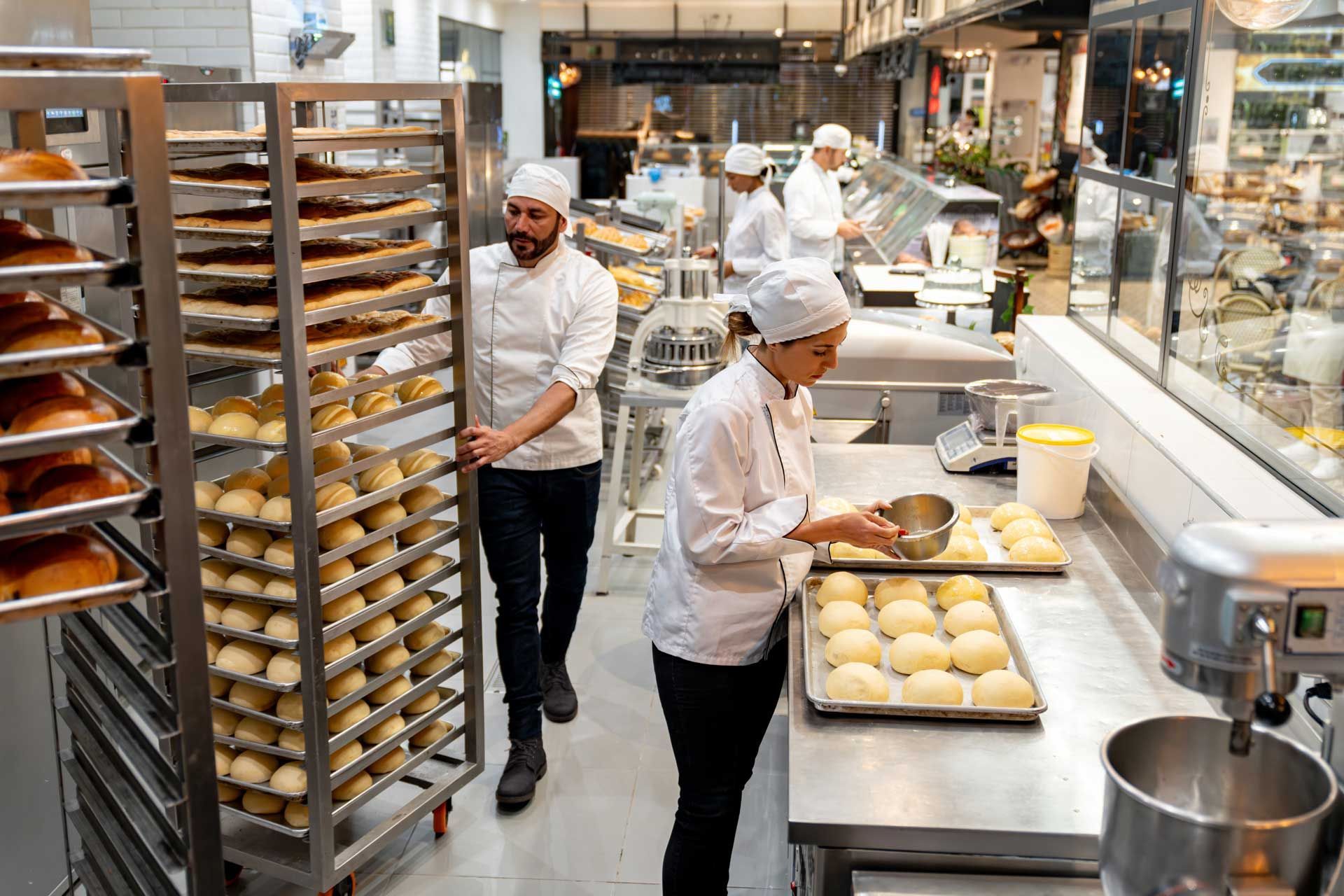
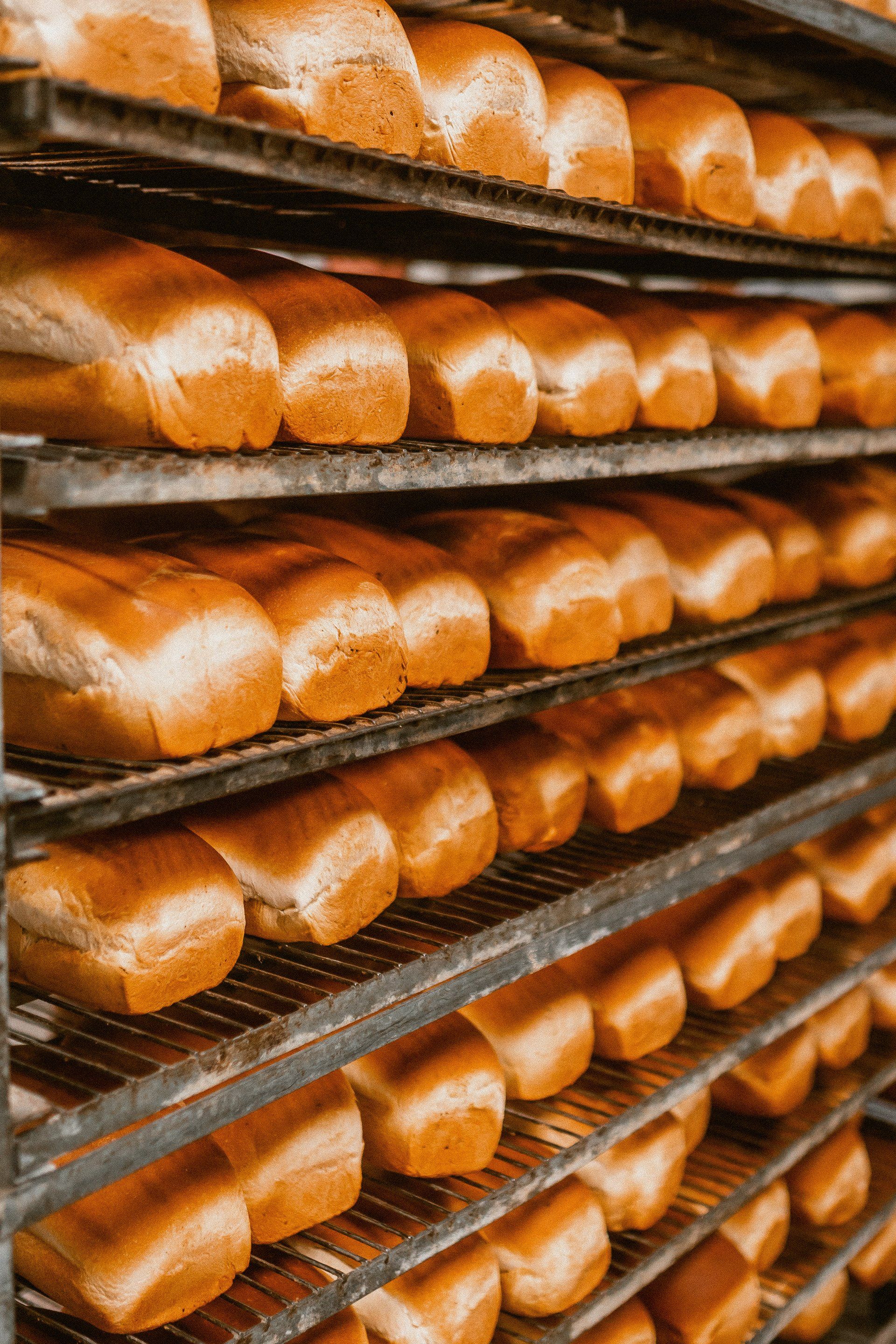
Group of employees working at a bakery baking bread.

Ready to Elevate Your Restaurant’s Baked Goods With Superior Baking Company Inc. in Brockton, MA?


If you manage a restaurant or cafe seeking a trustworthy and high-quality wholesale bakery supplier in Brockton, MA, look no further than Superior Baking Company Inc. Their consistent product quality, reliable delivery system, and broad selection of signature baked goods make them an ideal partner for any foodservice operation.


Contact Superior Baking Company Inc. today to discover how their wholesale bakery company can help enhance your menu and simplify your supply chain. Your customers—and your kitchen staff—will thank you. Start the conversation and experience the difference a trusted wholesale bakery supplier can make for your Brockton-area restaurant or cafe!
By Mike Matook March 4, 2026
Artisan bread and traditional sandwich bread differ in ingredients, fermentation, texture, crust, and production methods, with artisan bread typically featuring longer fermentation, crustier exteriors, and handcrafted techniques, while sandwich bread is softer, uniform, and designed for consistency and high-volume slicing in wholesale baking environments. At the wholesale level, these differences affect everything from menu design and shelf life to slicing, storage, and customer experience. Whether you run a restaurant in Boston or manage a market in Philadelphia, the right bread choice can shape how customers perceive quality. Let’s break it down clearly. What Is Artisan Bread in Wholesale Baking? Artisan bread focuses on traditional baking methods, premium ingredients, and longer fermentation times. In wholesale production, it maintains those qualities while scaling output for restaurants, retailers, and food service clients. Key Characteristics of Artisan Bread Hearth-baked methods Longer fermentation for deeper flavor Crisp, crackling crust Open, airy crumb structure Minimal preservatives Hand-shaped or minimally processed loaves Common examples include: Sourdough Ciabatta Rustic baguettes Specialty hearth loaves Wholesale producers like Superior Baking Co craft artisan breads that balance traditional technique with consistent supply for commercial partners. What Is Traditional Sandwich Bread in Wholesale Baking? Traditional sandwich bread is designed for softness, uniformity, and efficiency. It is optimized for slicing, stacking, and consistent performance in high-volume settings. Key Characteristics of Sandwich Bread Soft, thin crust Fine, tight crumb Squae or uniform shape Even slicing for sandwiches Designed for longer shelf stability This type of bread is ideal for: Delis School and hospital food service High-turnover sandwich shops Retail packaged bread programs Side-by-Side Comparison: Artisan vs. Sandwich Bread 1. Ingredients and Fermentation Artisan Bread Often uses simple ingredient lists Longer fermentation May include natural starters Sandwich Bread Typically enriched with fats or sugars Shorter fermentation Formulated for softness and stability 2. Texture and Structure Artisan Chewy interior Thick crust Irregular air pockets Sandwich Soft and uniform Thin crust Tight crumb for clean slicing 3. Production Approach in Wholesale Baking Wholesale artisan production requires careful temperature control, fermentation timing, and hearth-style baking methods. Sandwich bread production emphasizes: Consistency Efficiency High-volume output Uniform pan baking Both styles demand expertise, especially when serving restaurants, markets, and food service operations across large metropolitan regions. When Should a Business Choose Artisan Bread? Artisan bread works best when: You want to elevate perceived menu quality You serve plated meals or specialty sandwiches You highlight locally sourced or premium ingredients Your brand emphasizes craftsmanship Restaurants in New York City, Boston, and Philadelphia often use hearth-baked breads to reinforce premium positioning. When Is Traditional Sandwich Bread the Better Fit? Traditional sandwich bread makes sense when: Speed and consistency are critical You serve high sandwich volume daily You need predictable slicing and portion control You prioritize cost efficiency For food service establishments across Newark, Jersey City, Pittsburgh, Buffalo, Yonkers, Rochester, and Worcester, reliable sandwich bread supports smooth kitchen operations. How Superior Baking Co Supports Wholesale Clients Superior Baking Co produces a wide range of high-quality baked goods, including: Hearth-baked breads Rolls Sandwich breads Artisan breads Specialty loaves With over a century of baking expertise, the company serves retail customers and wholesale clients such as restaurants, markets, and food service establishments throughout: New York City, New York Philadelphia, Pennsylvania Boston, Massachusetts Newark, New Jersey Jersey City, New Jersey Pittsburgh, Pennsylvania Buffalo, New York Yonkers, New York Rochester, New York Worcester, Massachusetts By combining premium ingredients with scalable production, Superior Baking Co helps businesses maintain quality while meeting commercial demand. Choosing the Right Bread for Your Operation Ask yourself: What experience do I want customers to have? How important is crust texture and visual appeal? What are my slicing and storage requirements? Does my brand lean toward premium craft or everyday reliability? Many operations benefit from carrying both artisan and traditional sandwich breads to serve different menu categories. Conclusion Artisan bread and traditional sandwich bread serve different purposes in wholesale baking. Artisan bread emphasizes craftsmanship, flavor depth, and crust texture. Traditional sandwich bread prioritizes softness, uniformity, and efficiency. The right choice depends on your menu, customer expectations, and operational needs. Ready to upgrade your wholesale bread program? Contact Superior Baking Co at (508) 586-6601 to discuss hearth-baked breads, rolls, sandwich breads, artisan breads, and specialty loaves tailored to your restaurant, market, or food service operation. Frequently Asked Questions Q: Is artisan bread always healthier than sandwich bread? A: Not necessarily. Artisan bread often contains fewer additives and longer fermentation, but nutritional value depends on specific ingredients and portion size. Q: Does artisan bread cost more wholesale? A: It can, due to longer fermentation and specialized baking methods. However, it may justify higher menu pricing and perceived value. Q: Can artisan bread be pre-sliced? A: Yes, though some varieties are best sliced fresh to preserve crust texture. Q: Which bread lasts longer in storage? A: Traditional sandwich bread typically has longer shelf stability. Artisan bread is often best enjoyed within a shorter window due to minimal preservatives. Q: Can a wholesale bakery supply both types consistently? A: Yes. Experienced commercial bakeries produce artisan and sandwich breads at scale while maintaining quality control.
By Mike Matook February 19, 2026
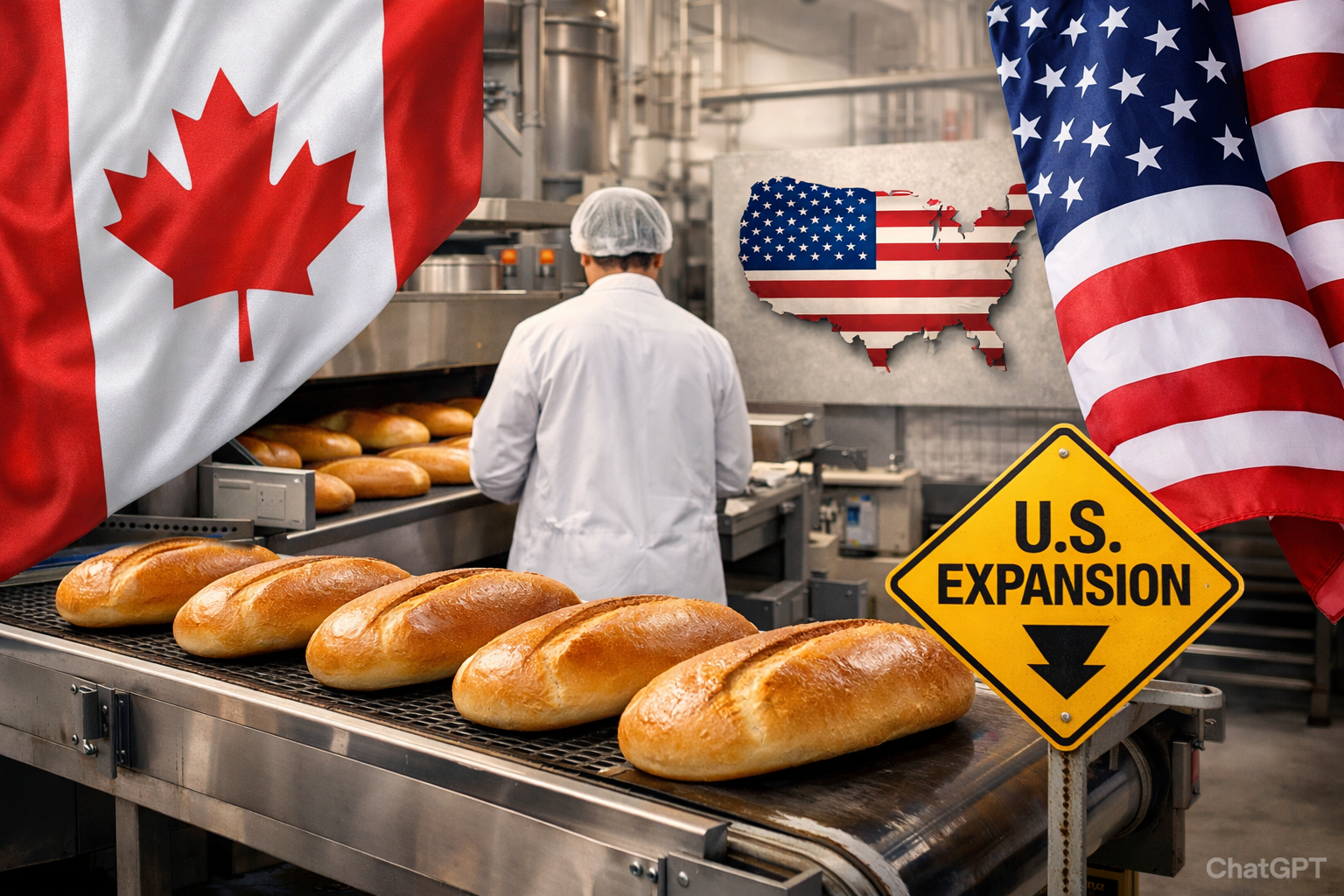
Canadian food brands expanding into U.S. manufacturing should carefully evaluate regulatory compliance, supply chain logistics, co-manufacturing partnerships, distribution strategy, labeling requirements, and regional market demand to ensure scalable, compliant, and profitable growth across key metropolitan markets. Expanding into the U.S. offers access to a much larger consumer base, diversified distribution channels, and strong retail and food service demand. However, it also introduces new regulations, operational complexities, and competitive pressures. Planning strategically can make the difference between smooth growth and costly setbacks. Below is what Canadian food brands should prioritize before establishing or partnering for U.S. manufacturing. 1. Regulatory Compliance and Labeling Requirements The U.S. regulatory environment differs significantly from Canada’s. Before manufacturing or distributing products in the United States, brands must understand: FDA registration and food facility requirements U.S. labeling standards and nutrition panel formatting Allergen disclosure regulations State-level compliance considerations Even small labeling inconsistencies can delay distribution. Ensuring compliance early reduces risk and protects brand reputation. 2. Choosing the Right Manufacturing Partner Many Canadian brands enter the U.S. through co-manufacturing partnerships rather than building facilities from scratch. A strong partner should offer: Scalable production capacity Proven food safety protocols Experience serving retail and wholesale channels Geographic proximity to target markets For baked goods, production quality and consistency are especially critical. Companies like Superior Baking Co , which produces hearth-baked breads, rolls, sandwich breads, artisan breads, and specialty loaves for both retail customers and wholesale food service clients, demonstrate the type of expertise and infrastructure brands should look for in a regional baking partner. 3. Market Entry Strategy by Region The U.S. market is not one uniform landscape. It is highly regional. Consumer preferences, distribution networks, and retailer expectations vary widely. Key Northeast growth hubs include: New York City, New York Philadelphia, Pennsylvania Boston, Massachusetts Newark, New Jersey Jersey City, New Jersey Pittsburgh, Pennsylvania Buffalo, New York Yonkers, New York Rochester, New York Worcester, Massachusetts These metropolitan areas offer dense populations, strong retail infrastructure, and established restaurant and food service markets. For baked goods manufacturers, proximity to these cities reduces shipping time and preserves freshness. 4. Supply Chain and Distribution Logistics Cross-border distribution introduces added complexity. Brands should evaluate: Ingredient sourcing within the U.S. Freight and cold chain requirements Tariffs and trade considerations Distribution center partnerships Producing within the U.S. often lowers transportation costs and simplifies logistics, particularly for perishable products like bread and specialty loaves. 5. Scaling for Retail vs. Food Service Retail grocery and food service clients have different operational needs. Retail typically requires: Branded packaging Shelf-life optimization Consistent large-volume production Food service often requires: Custom sizing or formulations Bulk packaging Flexible ordering schedules An experienced bakery partner that serves restaurants, markets, and regional food service establishments can help brands adapt production accordingly. 6. Cost Structure and Margin Planning U.S. expansion affects: Labor costs Facility expenses Insurance and liability coverage State-level taxes Brands should run detailed financial modeling to understand pricing strategies and margin expectations across different regions. Why the Northeast Is a Strategic Starting Point The Northeast United States offers: High population density Established retail chains Diverse food cultures Strong restaurant markets Cities like New York City and Boston present strong demand for premium baked goods and artisan products. Regional production near these markets supports freshness, lowers freight costs, and improves responsiveness to wholesale partners. Conclusion Expanding U.S. manufacturing is a powerful growth opportunity for Canadian food brands. Success depends on regulatory readiness, strategic regional planning, reliable manufacturing partnerships, and operational scalability. By focusing on compliance, logistics, and strong co-manufacturing relationships, brands can confidently enter major U.S. markets and build long-term success. Ready to Explore U.S. Manufacturing Expansion? If your brand is evaluating Northeast U.S. production for baked goods, partnering with an experienced bakery can streamline the process. Contact Superior Baking Co at (508) 586-6601 to discuss scalable production solutions for retail and wholesale distribution across key metropolitan markets. Here Are Some Frequently Asked Questions: Q: Do Canadian food brands need separate FDA approval to manufacture in the U.S.? A: Yes. Facilities must register with the FDA and comply with U.S. food safety and labeling regulations before products can be distributed. Q: Is co-manufacturing better than building a U.S. facility? A: For many brands, co-manufacturing reduces upfront investment and accelerates market entry while maintaining production quality. Q: Why is regional production important for baked goods? A: Baked goods are perishable. Producing close to major markets helps maintain freshness and lowers transportation costs. Q: What U.S. regions are best for initial expansion? A: The Northeast, including cities like New York City, Philadelphia, and Boston, offers dense populations and strong retail and food service demand. Q: Can a U.S. bakery partner serve both retail and wholesale channels? A: Yes. Experienced bakeries often support grocery retailers, restaurants, markets, and regional food service clients with scalable production.
By Mike Matook February 6, 2026
The most popular rolls and sandwich breads used in food service are white sandwich bread, brioche rolls, ciabatta, hoagie rolls, and multigrain breads because they balance consistency, versatility, durability, and customer familiarity while performing reliably in high-volume kitchen environments. In food service, bread is not just a carrier for ingredients. It affects flavor, texture, presentation, and operational efficiency. The breads that succeed at scale are those that perform well on the line, hold up to fillings and sauces, and meet customer expectations. Why Certain Breads Dominate Food Service Menus Food service operators prioritize breads that meet several practical requirements at once. Consistent size and shape for portion control Structural integrity for hot, cold, and sauced sandwiches Neutral or complementary flavor profiles Broad customer appeal Reliable availability from wholesale bakers These needs explain why a relatively small group of bread styles appear repeatedly across menus in restaurants, delis, and institutional food service. The Most Popular Rolls Used in Food Service Brioche Rolls Brioche rolls are widely used for burgers and premium sandwiches. Soft, tender crumb with a slight sweetness Rich mouthfeel from eggs and butter Excellent browning on grills and flat tops They are especially popular in upscale casual dining and fast-casual concepts. Kaiser Rolls Kaiser rolls remain a staple in delis and sandwich shops. Firm crust with a soft interior Holds up well to cold cuts and heavier fillings Familiar appearance that customers recognize instantly Ciabatta Rolls Ciabatta is common in Italian-style and artisan sandwich offerings. Open crumb structure Crisp exterior when toasted Ideal for pressed or grilled sandwiches Hoagie and Sub Rolls Hoagie rolls are essential for sub shops and food service operations serving long-format sandwiches. Elongated shape for layered fillings Durable crust that resists sogginess Versatile for hot and cold applications The Most Popular Sandwich Breads Used in Food Service White Sandwich Bread White sandwich bread remains the most widely used option in food service. Neutral flavor that pairs with nearly any filling Soft texture suitable for breakfast, lunch, and catering Consistent slice size for speed and portion control Multigrain and Whole Grain Bread Health-conscious menus increasingly rely on multigrain options. Perceived nutritional value Slightly firmer texture that holds spreads and proteins Appeals to a broad demographic without sacrificing versatility Artisan Hearth-Baked Breads Hearth-baked sandwich breads are often used for signature menu items. Rustic crust and deeper flavor Strong structure for premium sandwiches Distinct visual appeal How Bread Choice Impacts Food Service Operations Selecting the right bread affects more than taste. Prep time and assembly speed Sandwich durability for takeout and delivery Customer satisfaction and repeat orders Food cost consistency Wholesale bakers that understand food service needs help operators avoid issues like crumbling, excessive moisture absorption, or inconsistent sizing. Breads Produced by Superior Baking Co Superior Baking C o produces a wide range of high-quality baked goods for both retail customers and wholesale clients, including restaurants, markets, and food service establishments. Their offerings include: Hearth-baked breads Rolls for burgers, sandwiches, and specialty applications Sandwich breads for high-volume service Artisan breads and specialty loaves Each product is crafted using premium ingredients and backed by over a century of baking expertise. Serving Major Northeast Food Service Markets Superior Baking Co serves food service establishments across major Northeast cities, including: New York City, New York Philadelphia, Pennsylvania Boston, Massachusetts Newark and Jersey City, New Jersey Pittsburgh and Buffalo, Pennsylvania and New York Yonkers, Rochester, and Worcester These regions demand consistency, scale, and quality, making dependable bread production essential. Conclusion The most popular rolls and sandwich breads in food service succeed because they meet the practical demands of busy kitchens while delivering familiar flavors customers love. From white sandwich bread to brioche and ciabatta rolls, these staples continue to anchor menus across the region. Contact Superior Baking Co at (508) 586-6601 to learn more about dependable, high-quality breads for your food service operation. FAQs About Food Service Rolls and Sandwich Breads Q: What is the most common bread used in restaurants? A: White sandwich bread is the most common due to its versatility, neutral flavor, and consistency. Q: Why do restaurants prefer brioche rolls for burgers? A: Brioche offers a soft texture, rich flavor, and excellent toasting performance, making it ideal for burgers. Q: What bread works best for hot sandwiches? A: Ciabatta and hoagie rolls work well for hot sandwiches because they hold structure and resist sogginess. Q: Are multigrain breads popular in food service? A: Yes. Multigrain breads are increasingly popular due to customer demand for healthier menu options. Q: Why does bread consistency matter in food service? A: Consistent bread size and texture help control portions, speed up prep, and ensure reliable customer experiences.
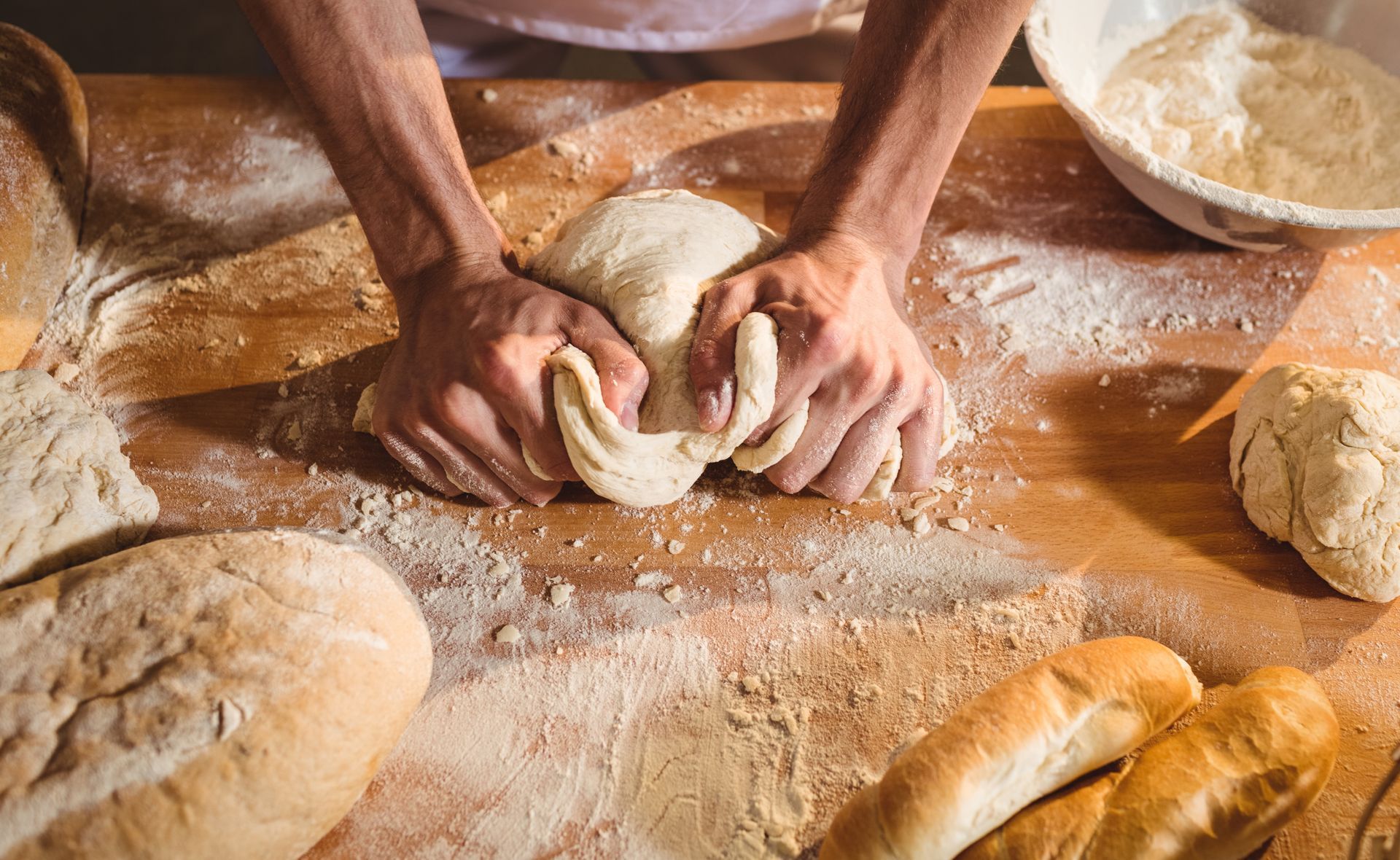
The hands of a baker knead a mound of dough to make bread.
February 3, 2026
Discover key factors when choosing a wholesale bakery service in Brockton, MA, with Superior Baking Company Inc. Click here to read more!
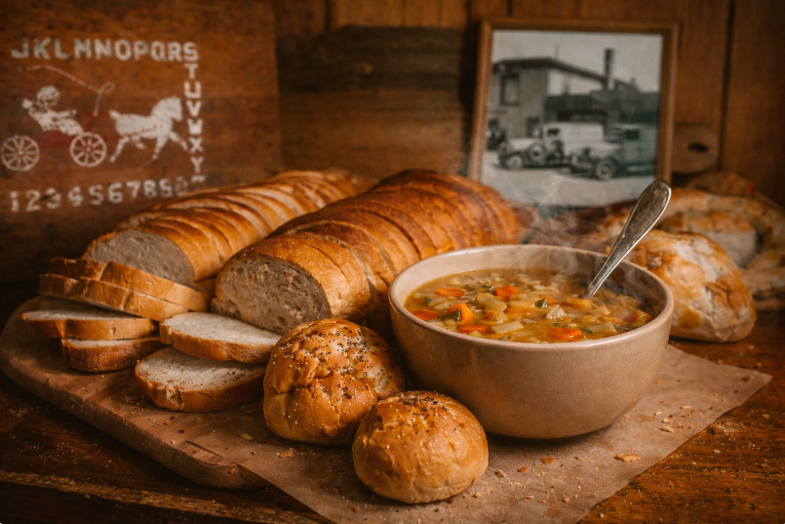
A hot, fresh bowl of soup surrounded by fresh baked bread and rolls.
By Mike Matook January 23, 2026
Discover the best types of bread for restaurants to serve with soups, sandwiches, and entrées. Learn how quality bread improves menus and guest satisfaction.
By Mike Matook January 9, 2026
To choose the right wholesale bread supplier, you must prioritize consistent product quality, delivery reliability, and a diverse product range that fits your menu. Focus on suppliers with established safety certifications, transparent ordering processes, and a proven track record of on-time deliveries to ensure your kitchen or market remains fully stocked and your customers stay satisfied. That is the short answer. While price is always a factor, the cheapest option often leads to hidden costs like late deliveries or stale products that drive customers away. Finding a partner who balances craftsmanship with industrial-scale reliability is the key to a successful long-term relationship. Core Evaluation Criteria When comparing providers, you should look for specific markers of professional excellence. For many businesses, the first thing to check is quality and freshness. Wholesale bread should be baked to order using premium ingredients without excessive preservatives. Ask potential suppliers about their "bake-to-ship" window to ensure you are receiving the freshest possible product. Reliability is the second pillar. A missed delivery at 6:00 AM can ruin a lunch rush. Here’s what that means in practice: Delivery Frequency: Do they deliver daily or only on specific days? Logistics: Do they own their own fleet, or do they use a third-party service? Emergency Orders: Can they handle a last-minute request if you have an unexpected surge in business? Range and Customization Your menu needs may change seasonally, so a supplier with a broad catalog is a significant asset. A high-quality partner should offer a wide variety of hearth-baked breads, including: Artisan Loaves: Sourdough, baguettes, and ciabatta for high-end service. Sandwich Basics: Consistent white, wheat, and multigrain loaves. Specialty Rolls: Brioche buns, hoagie rolls, and dinner rolls. This matters because managing multiple vendors is inefficient. Look for a "one-stop" bakery that can cover everything from your morning rolls to your specialty sandwich breads. Potential Limitations and Exceptions It is important to note that the "best" supplier depends heavily on your volume. Large industrial bakeries may offer the lowest prices but often have high Minimum Order Quantities (MOQs) that small cafes cannot meet. Conversely, small local artisan bakers might provide superior flavor but may lack the delivery infrastructure to service a multi-location restaurant group. Always clarify these constraints before signing a contract. For businesses in the Northeast seeking a partner with over a century of baking expertise, Superior Baking Co produces a wide range of high-quality baked goods. We specialize in hearth-baked breads, rolls, sandwich breads, artisan breads, and specialty loaves. Our team serves restaurants, markets, and food service establishments throughout the region, including: New York: New York City, Buffalo, Yonkers, and Rochester. Massachusetts: Boston, Worcester, and the surrounding areas. Pennsylvania: Philadelphia and Pittsburgh. New Jersey: Newark and Jersey City. If you are looking to elevate your bread service with premium ingredients and reliable delivery, we invite you to contact Superior Baking Co at (508) 586-6601 to discuss your wholesale needs. Here Are Some Other Frequently Asked Questions That We're Often Asked: Q: How can I test the quality of a wholesale supplier? A: Most reputable suppliers will provide samples of their core products. Request a "test delivery" to see how the bread arrives, its texture after four hours, and how it performs in your specific kitchen equipment. Q: What are the typical payment terms for wholesale bread? A: Terms vary, but many suppliers offer Net-15 or Net-30 arrangements for established businesses. Some may require a credit card on file or COD (Cash on Delivery) for the first few weeks of a new partnership. Q: Do wholesale bakeries offer gluten-free or vegan options? A: Many modern wholesale bakeries now offer specialty lines, but these often require separate storage or handling. Always ask about cross-contamination protocols if you serve customers with strict dietary needs. Editorial Note: This information is based on general food service industry best practices and documentation from professional culinary organizations. Specific service availability and pricing vary by provider and region.
By Mike Matook December 23, 2025
To find a regional wholesale bakery that delivers fresh bread daily, search for established local providers with a history of hearth-baking and high-volume distribution. Contact bakeries that specialize in daily logistics for restaurants and markets, ensuring they use premium ingredients and maintain a delivery fleet capable of reaching your specific location in the Northeast consistently. That is the most direct way to secure a fresh supply. For many businesses, the search begins by identifying a partner that balances traditional baking methods with modern distribution capabilities. The key thing to understand is that reliability in the early morning hours is just as important as the quality of the loaf itself. Identifying Quality in a Wholesale Partner When evaluating a regional bakery, the first step is looking at their production methods. Traditional hearth-baked techniques often result in a superior crust and crumb, which is a hallmark of high-quality artisan breads. If you are trying to understand the difference between providers, ask about their history and the types of ingredients they prioritize. A bakery with deep roots in the community, especially one with decades or even a century of experience, usually has refined its logistics to a science. This longevity often indicates a proven ability to meet the strict "fresh daily" requirement that food service establishments demand. Essential Services for Food Service A versatile wholesale partner should offer a wide range of products to minimize the need for multiple vendors. Most professional kitchens look for a selection that includes: Hearth-baked breads and rolls for authentic texture. Artisan breads and specialty loaves to differentiate a menu. Standard sandwich breads for high-volume daily use. Pastries and sweet goods for breakfast or dessert service. Navigating the Regional Delivery Area In the Northeast, logistics can be complex due to geography and weather. It is important to confirm that your provider has an established route in your specific area. Leading regional providers typically service major hubs and surrounding communities throughout: Massachusetts: Brockton, Boston, Worcester, and Springfield. Rhode Island: Providence and Warwick. Connecticut: Hartford, New Haven, and Stamford. New York & New Hampshire: Including Albany, Manchester, and Concord. Limitations and Considerations While many wholesale bakeries offer daily delivery, certain "edge cases" may apply. For example, extremely remote locations may have specific delivery windows or minimum order requirements. Additionally, highly specialized artisan loaves may require a longer lead time for production compared to standard rolls or sandwich breads. Always clarify the cutoff times for ordering to ensure your bread arrives when you need it. For businesses seeking a century of baking expertise and reliable delivery, Superior Baking Co provides wholesale services throughout the Greater Boston area, including Cambridge, Quincy, Newton, and Somerville, Massachusetts, as well as major Northeastern hubs like Providence, Rhode Island; Hartford, Connecticut; and Manchester, New Hampshire, y ou can reach our team at (508) 586-6601 to discuss your specific needs. Here Are Some Other Frequently Asked Questions That We're Often Asked: Q: Do wholesale bakeries deliver on weekends? A: Most regional wholesale providers operate six or seven days a week to ensure restaurants and markets have fresh products for their busiest shifts. Q: What is the benefit of hearth-baked bread for a restaurant? A: Hearth-baked bread is cooked directly on a stone surface, resulting in a better crust and a more traditional flavor profile that holds up well in professional food service. Q: How do I set up a new wholesale account? A: Setting up an account usually involves a brief consultation to determine your volume needs, delivery schedule, and specific product requirements. Q: Can I get custom bread sizes for my business? A: Many established wholesale bakeries offer a variety of sizes and shapes, from slider rolls to extra-large specialty loaves, to fit specific menu items. Editorial Note: This information is based on industry standards for wholesale food distribution and the documented history of established regional bakeries like Superior Baking Company Inc., which has served the Greater Boston Area, as well as the entire Northeastern United States since 1920.
By Mike Matook December 12, 2025
Choosing a reliable wholesale bakery for your restaurant or café starts with evaluating quality, consistency, delivery options, and customer service. Look for bakeries that offer fresh daily deliveries, high-quality ingredients, customizable options, and positive reviews from other foodservice businesses. Reliability is about more than price; it is about building a partnership you can trust. Key Factors to Consider When Choosing a Wholesale Bakery 1. Quality of Bread and Pastries Taste and texture should be consistent from batch to batch. Ask about ingredient sourcing and whether they use local or organic products. Request samples to ensure products meet your standards. 2. Product Variety Check if they offer artisan breads, rolls, sandwich loaves, and specialty items. Ensure they can meet seasonal or themed menu needs. Some bakeries allow customization for your unique recipes. 3. Delivery and Logistics Daily or frequent delivery is ideal to guarantee freshness. Confirm delivery schedules match your restaurant hours. Ask about backup plans if deliveries are delayed. 4. Reliability and Reputation Look for bakeries with a strong track record of serving restaurants and cafés. Check online reviews or ask for references from other businesses. A responsive customer service team is crucial for resolving issues quickly. 5. Cost and Value Compare prices with similar wholesale bakeries, but avoid compromising quality. Consider the bakery’s consistency and reliability as part of the overall value. Some bakeries offer bulk discounts or loyalty programs. 6. Compliance and Food Safety Verify they follow proper food safety standards and hold necessary certifications. Ask about storage guidelines and how products are handled during delivery. Choosing the right wholesale bakery ensures your kitchen runs efficiently and your customers enjoy consistently fresh products. Superior Baking Company can provide the quality, variety, and dependable service your business deserves. Call today at (508) 586-6601 to discuss your bakery needs. Here are some other frequently asked questions we get in regards to wholesale bakeries: Q: How can I test a wholesale bakery before committing? A: Request samples and place a small initial order to evaluate freshness, taste, and delivery reliability. Q: What should I look for in a bakery’s delivery schedule? A: Ideally, daily or frequent deliveries that match your restaurant hours ensure your products remain fresh. Q: Is it better to choose a local bakery? A: Local bakeries often offer fresher products, quicker delivery, and better communication. Q: Can wholesale bakeries customize products? A: Many bakeries offer customization for rolls, bread shapes, and specialty items to suit your menu. Q: How important is customer service? A: Excellent customer service is essential to resolve issues, accommodate changes, and maintain a reliable supply.