What Makes Hearth-Baked Bread Different From Other Commercial Breads? Here's What You Should Know
Hearth-baked bread has a distinct character that sets it apart from many mass-produced commercial breads. From its crust and texture to its baking process and flavor development, understanding these differences can help consumers and businesses appreciate the craftsmanship behind every loaf.
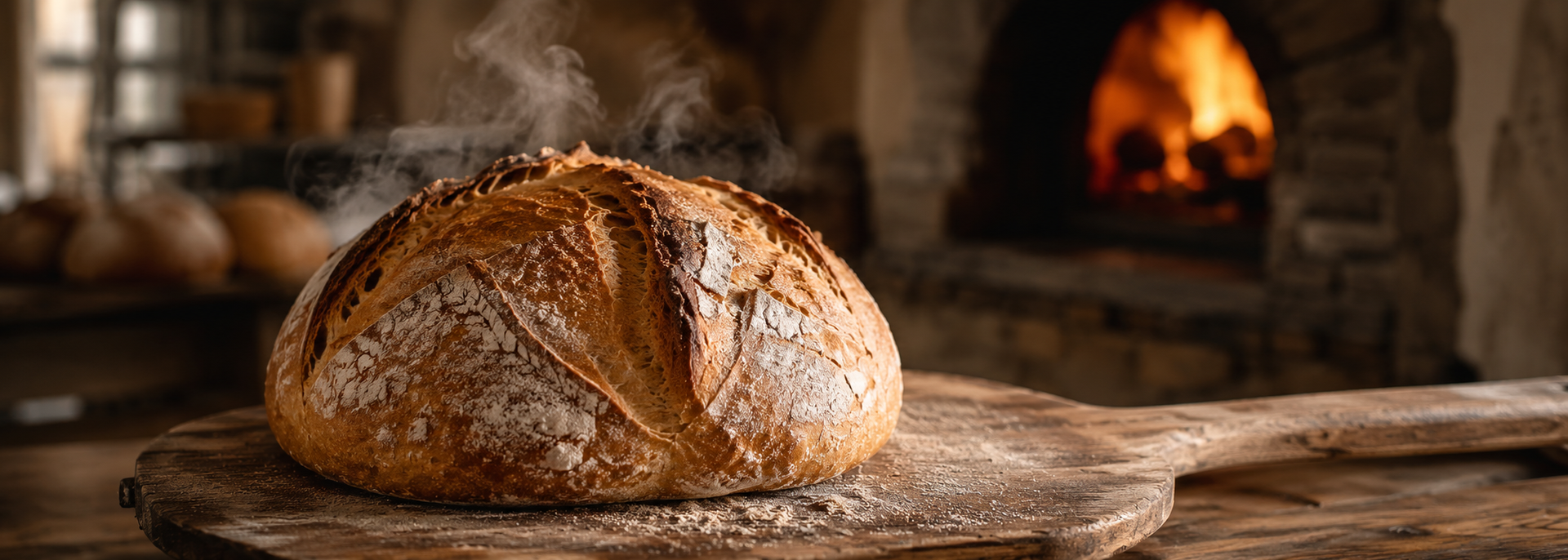
Hearth-baked bread differs from most commercial breads because it is baked directly on a hot hearth or stone surface, creating a thicker crust, richer flavor, superior texture, and more natural artisanal qualities than breads typically produced using pan-based, high-speed commercial baking methods.
Many consumers notice that hearth-baked bread looks, smells, and tastes different from standard commercial bread. The reason lies in both the baking method and the attention given to ingredients, fermentation, and craftsmanship. While commercial breads are often optimized for speed and uniformity, hearth-baked breads prioritize flavor, texture, and traditional baking techniques.
What Is Hearth-Baked Bread?
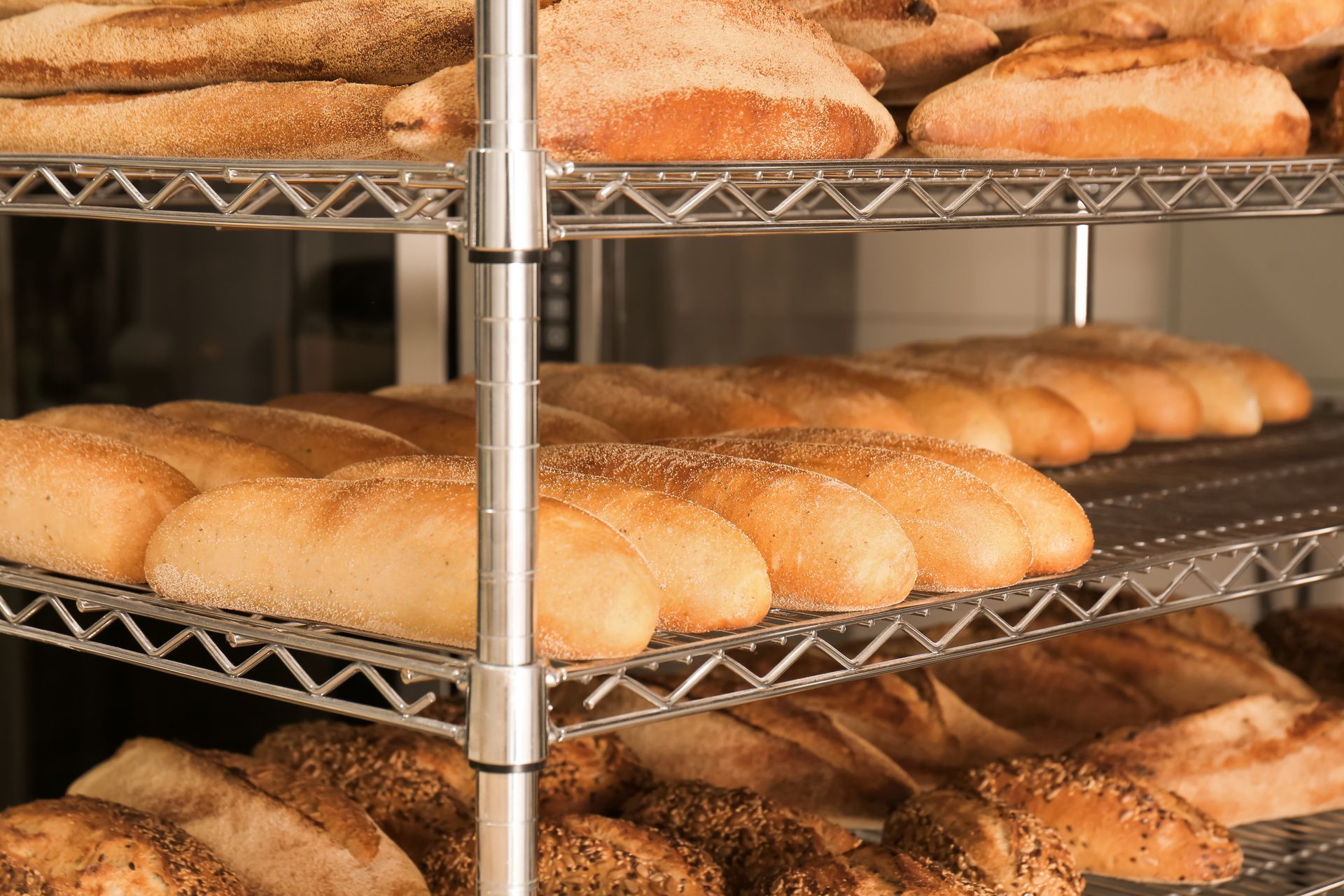
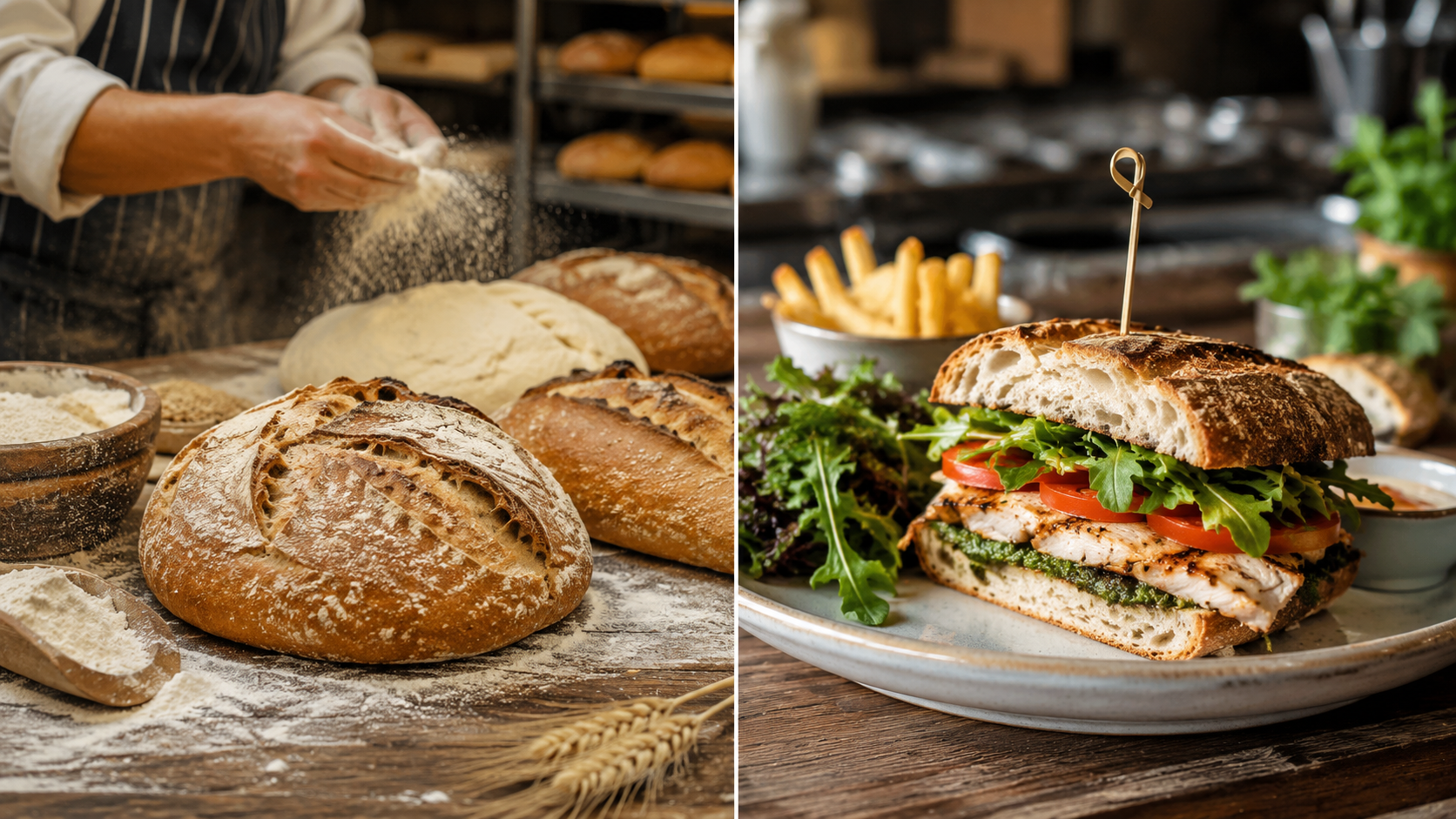
Hearth-baked bread is bread that is baked directly on a heated stone, brick, or oven hearth rather than inside a loaf pan. This traditional method has been used for centuries and remains a hallmark of artisan baking.
The direct contact with the hot baking surface creates unique characteristics that are difficult to replicate with conventional commercial baking methods.
Common types of hearth-baked breads include:
- Artisan country loaves
- Rustic sourdough breads
- Specialty loaves
- European-style breads
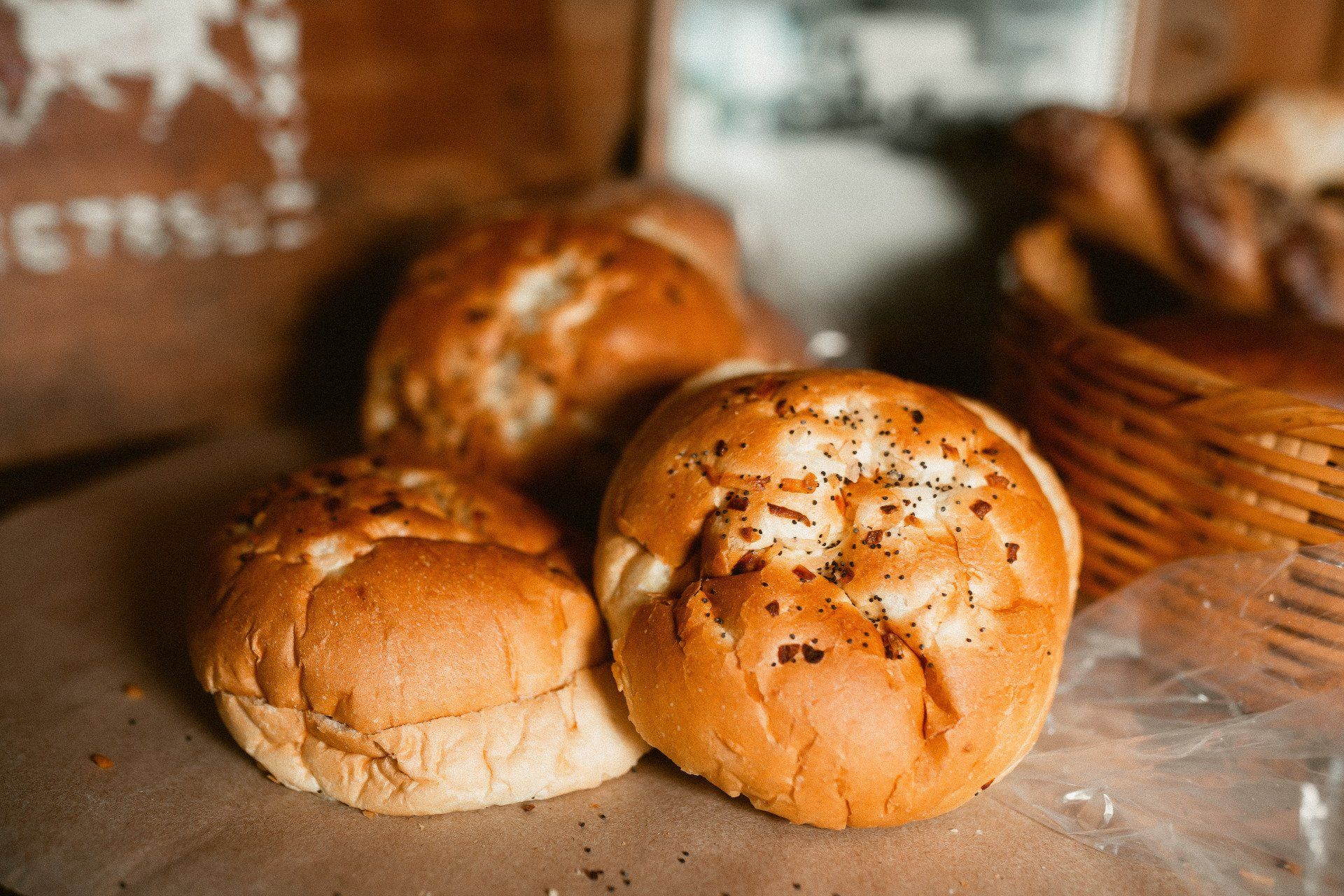
- Certain sandwich breads and dinner rolls
Key Differences Between Hearth-Baked and Commercial Bread
1. Crust Development
One of the most noticeable differences is the crust.
Hearth-baked bread develops a thicker, crispier, and more flavorful crust because the dough is exposed directly to intense heat during baking.
Commercial breads baked in pans often produce:
- Softer crusts
- More uniform shapes
- Less caramelization
- Reduced textural contrast
The result is a bread that may be softer but lacks some of the complexity found in hearth-baked varieties.
2. Richer Flavor
Flavor development begins long before baking.
Many hearth-baked breads undergo longer fermentation periods, allowing natural flavors to mature. Combined with the high-heat baking environment, this process creates:
- Deeper wheat flavor
- Better aroma
- Slightly nutty notes
- Enhanced sweetness from caramelization
These characteristics contribute to a more satisfying eating experience.
3. Better Texture
Hearth-baked breads often feature:
- Open crumb structures
- Chewier interiors
- Crisp crusts
- Greater moisture retention
Commercial breads are frequently designed for consistency and softness, which can lead to a more uniform texture throughout the loaf.
4. Traditional Baking Techniques
Many hearth-baked products rely on time-tested baking methods that emphasize craftsmanship.
These methods may include:
- Longer proofing times
- Careful dough handling
- Premium ingredients
- Smaller batch production
- Artisan shaping techniques
The result is bread that reflects both skill and baking tradition.
Why Restaurants and Food Service Businesses Prefer Hearth-Baked Bread
Many restaurants, cafés, markets, and food service establishments choose hearth-baked breads because they elevate the dining experience.
Benefits include:
Enhanced Presentation
The rustic appearance and artisan crust create visual appeal that customers associate with quality.
Improved Sandwich Performance
A stronger crust and structured crumb help bread maintain its integrity when used for sandwiches and specialty menu items.
Greater Flavor Impact
Hearth-baked breads contribute flavor rather than simply serving as a carrier for ingredients.
Premium Customer Perception
Consumers increasingly seek products that appear handcrafted and authentic, making hearth-baked breads a valuable addition to menus and retail shelves.
The Importance of Quality Ingredients
While baking technique plays a major role, ingredient quality is equally important.
Superior baking operations focus on:
- High-quality flour
- Consistent sourcing
- Proper hydration
- Carefully selected ingredients
- Proven production methods
When combined with hearth baking, these elements help create bread with superior taste, texture, and performance.
Superior Baking Co's Commitment to Hearth-Baked Excellence
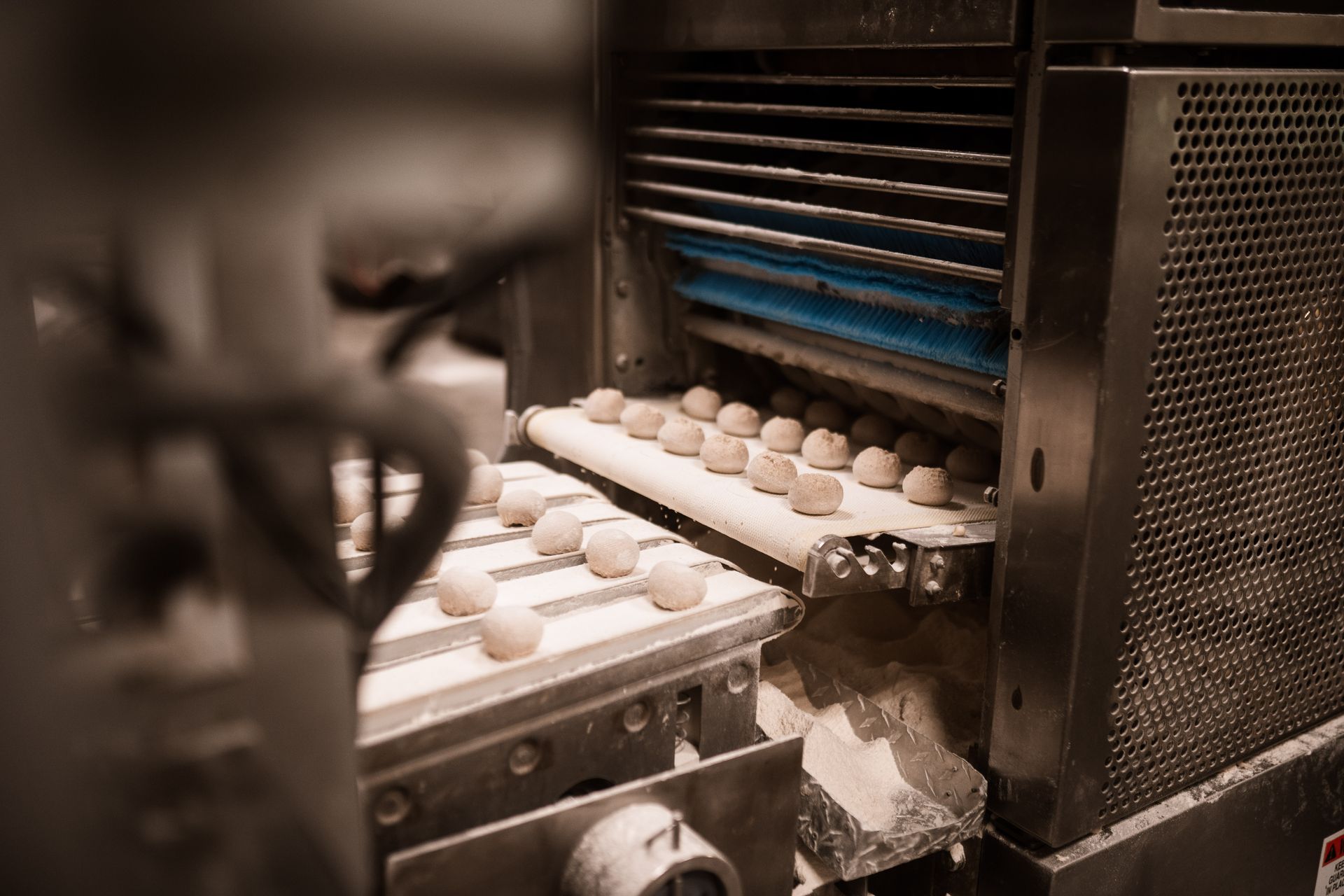
For more than a century, Superior Baking Co has combined traditional baking knowledge with modern production capabilities to deliver exceptional baked goods for both retail and wholesale customers.
Superior Baking Co produces a wide range of high-quality baked goods, including:
- Hearth-baked breads
- Rolls
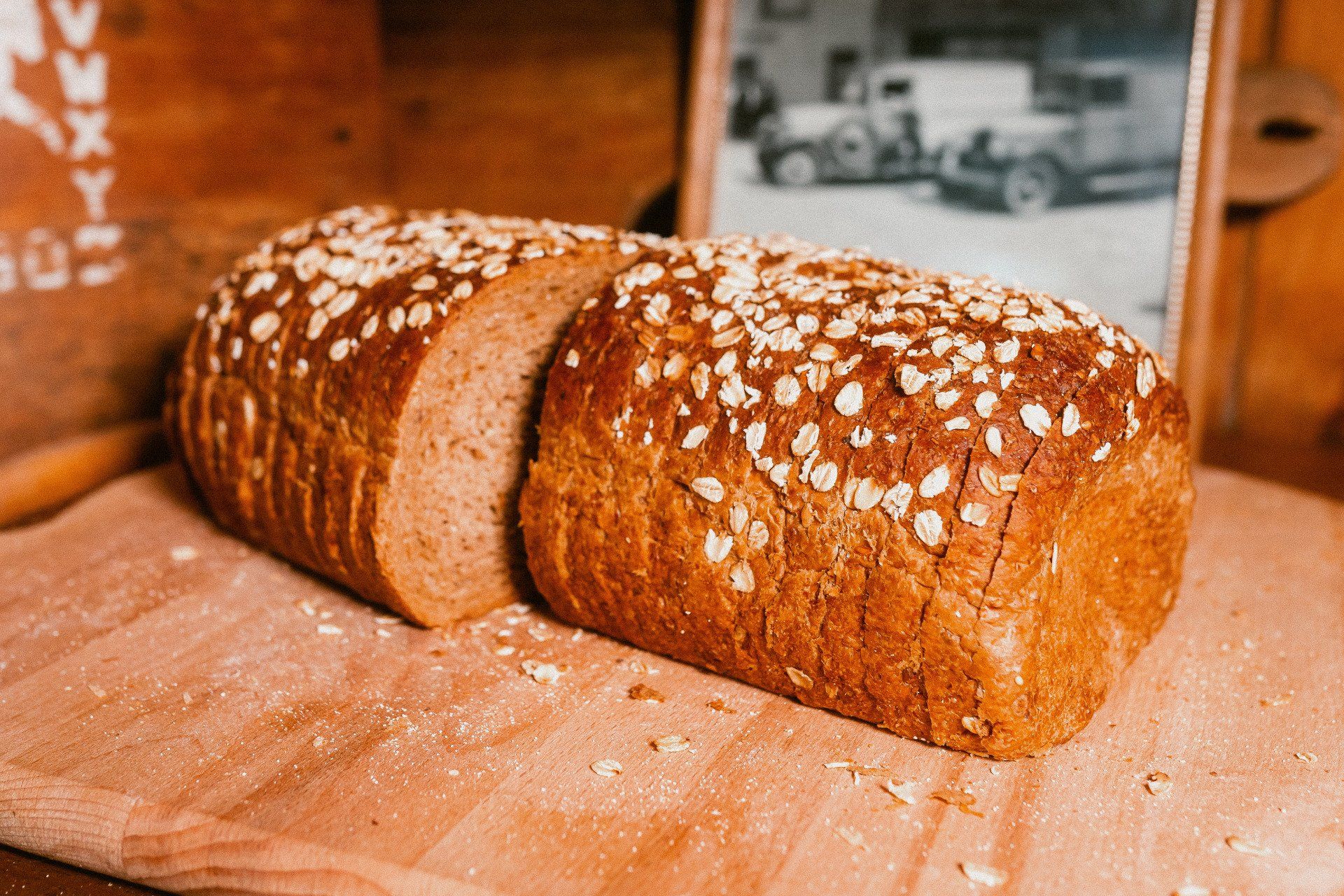
- Sandwich breads
- Artisan breads
- Specialty loaves
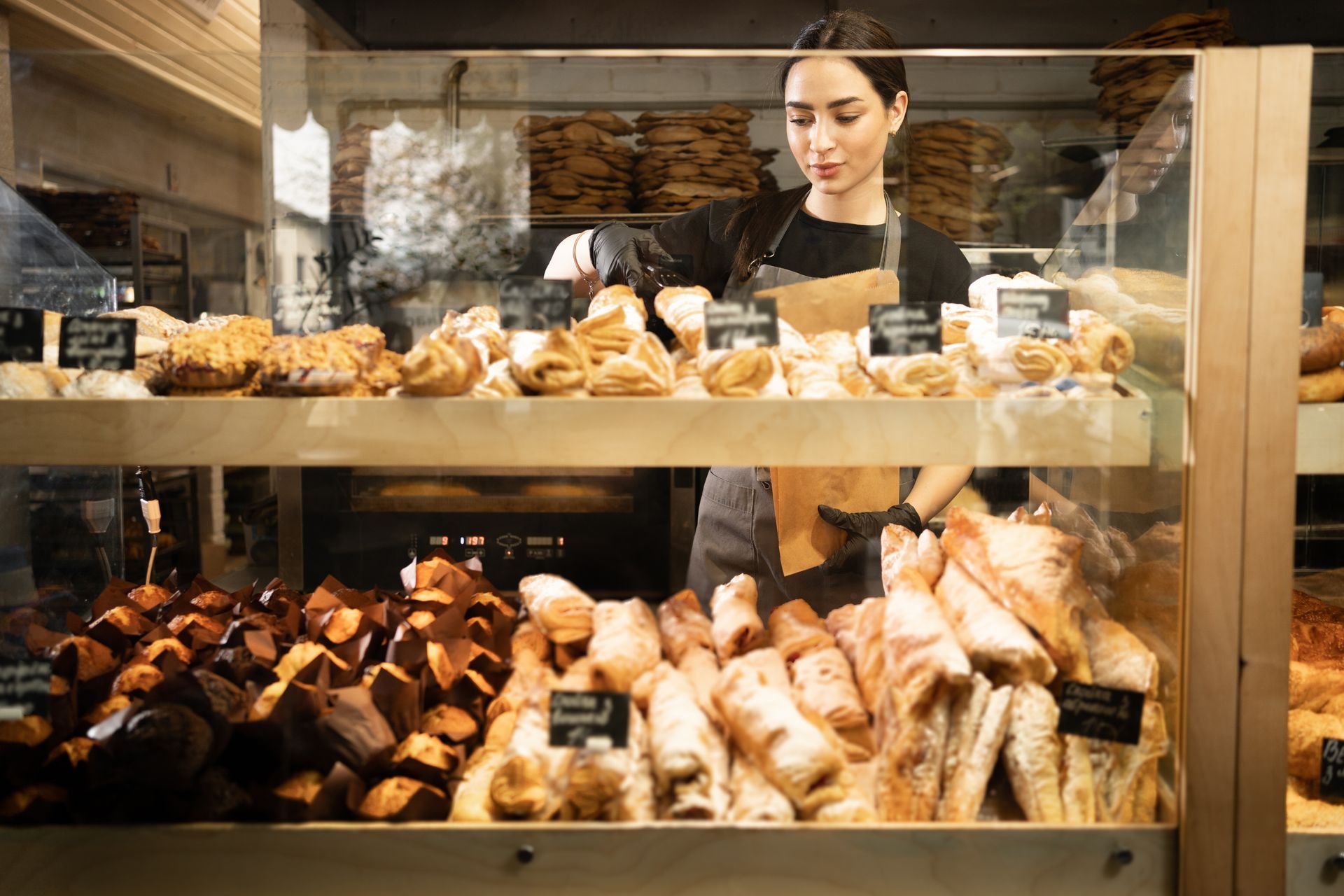
The company serves retail customers and wholesale clients, including restaurants, markets, and food service establishments, providing products crafted with premium ingredients and extensive baking expertise.
Serving Businesses Throughout the Northeast
Superior Baking Co proudly serves customers throughout major markets across the Northeast, including:
- New York City, New York
- Philadelphia, Pennsylvania
- Boston, Massachusetts
- Newark, New Jersey
- Jersey City, New Jersey
- Pittsburgh, Pennsylvania
- Buffalo, New York
- Yonkers, New York
- Rochester, New York
- Worcester, Massachusetts
These regions feature thriving restaurant, hospitality, retail, and food service industries that depend on consistent, high-quality bakery products.
Local Market Relevance
From restaurants in New York City and Philadelphia to specialty markets in Boston and Worcester, businesses increasingly seek artisan-quality baked goods that help differentiate their offerings. Hearth-baked breads continue to meet this demand by providing superior flavor, appearance, and customer appeal across diverse markets throughout the Northeast.
How to Choose High-Quality Hearth-Baked Bread
When evaluating hearth-baked bread, look for:
- Well-developed crust color
- Distinct artisan appearance
- Balanced texture
- Fresh aroma
- Quality ingredients
- Consistent baking standards
Whether for retail shelves or restaurant menus, these characteristics often indicate a well-crafted product.
Conclusion
Hearth-baked bread stands apart from many commercial breads because of its traditional baking process, superior crust development, enhanced flavor, and distinctive texture. By combining premium ingredients with proven baking techniques, hearth-baked breads deliver an artisan-quality experience that appeals to consumers, restaurants, and food service professionals alike. As demand for authentic, high-quality baked goods continues to grow, hearth-baked bread remains a preferred choice for those seeking exceptional flavor and craftsmanship.
Contact Superior Baking Co
Looking for premium hearth-baked breads, artisan loaves, sandwich breads, rolls, or specialty bakery products for your business?
Contact Superior Baking Co today at (508) 586-6601 to learn more about our products and wholesale bakery solutions.
Frequently Asked Questions
Q: Is hearth-baked bread healthier than commercial bread?
A: Not necessarily. Health benefits depend on ingredients and formulation. However, many hearth-baked breads use simpler ingredient profiles and traditional baking methods.
Q: Why does hearth-baked bread have a thicker crust?
A: The direct exposure to a hot baking surface creates greater caramelization and crust formation during baking.
Q: Can hearth-baked bread be used for sandwiches?
A: Yes. Many restaurants prefer hearth-baked breads because they offer excellent texture, flavor, and structural integrity for sandwiches.
Q: What types of businesses buy hearth-baked bread wholesale?
A: Restaurants, cafés, grocery stores, markets, caterers, hotels, and food service providers commonly purchase hearth-baked bread from wholesale bakeries.
Q: What products does Superior Baking Co offer?
A: Superior Baking Co produces hearth-baked breads, rolls, sandwich breads, artisan breads, and specialty loaves for both retail and wholesale customers.