What Are the Most Popular Rolls and Sandwich Breads Used in Food Service? Everything You Should Know
Mike Matook • February 6, 2026
This guide breaks down the rolls and sandwich breads most commonly used by restaurants, markets, and food service operations, and explains why they continue to dominate menus across the Northeast.
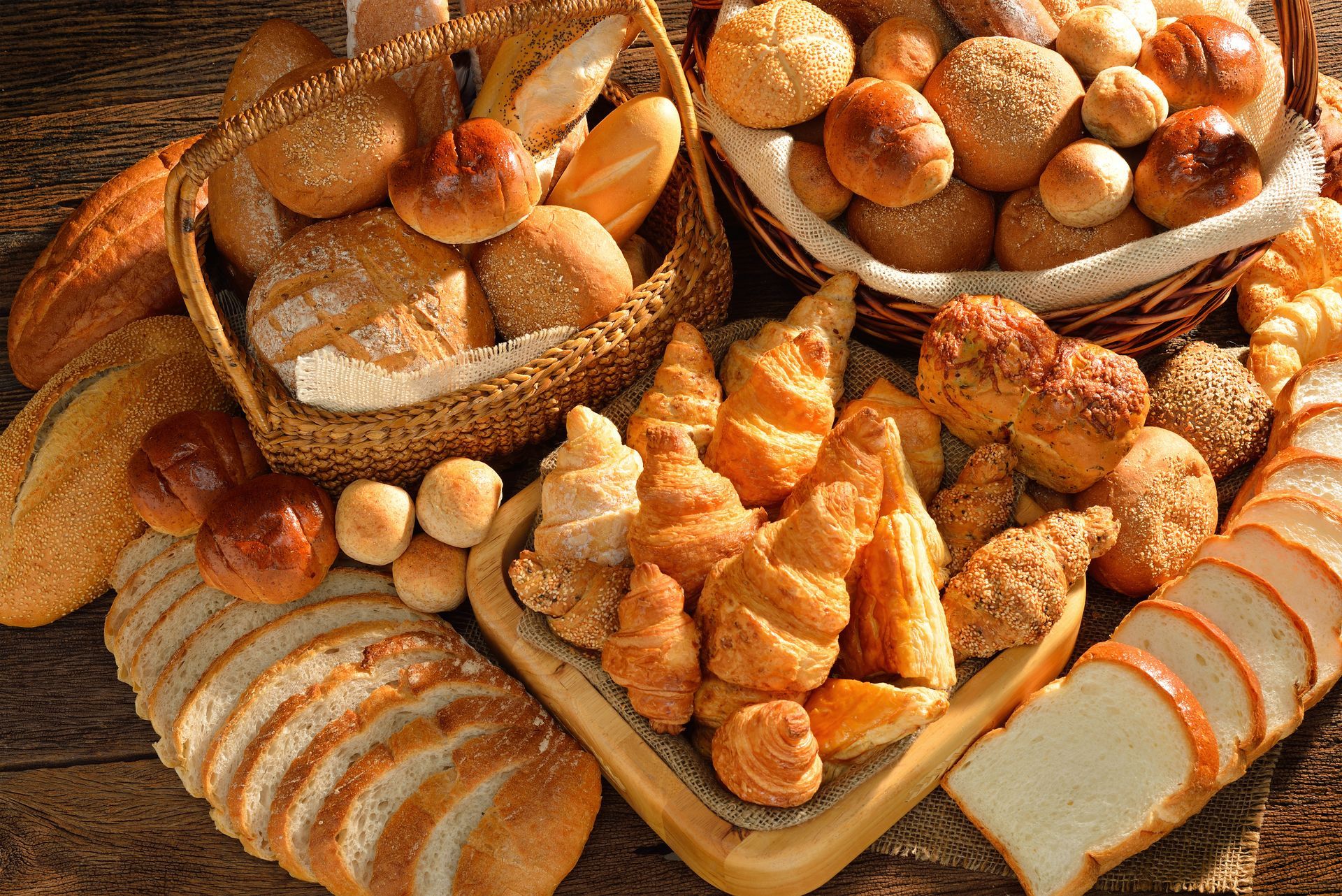
The most popular rolls and sandwich breads used in food service are white sandwich bread, brioche rolls, ciabatta, hoagie rolls, and multigrain breads because they balance consistency, versatility, durability, and customer familiarity while performing reliably in high-volume kitchen environments.
In food service, bread is not just a carrier for ingredients. It affects flavor, texture, presentation, and operational efficiency. The breads that succeed at scale are those that perform well on the line, hold up to fillings and sauces, and meet customer expectations.
Why Certain Breads Dominate Food Service Menus
Food service operators prioritize breads that meet several practical requirements at once.
- Consistent size and shape for portion control
- Structural integrity for hot, cold, and sauced sandwiches
- Neutral or complementary flavor profiles
- Broad customer appeal
- Reliable availability from wholesale bakers
These needs explain why a relatively small group of bread styles appear repeatedly across menus in restaurants, delis, and institutional food service.
The Most Popular Rolls Used in Food Service
- Brioche Rolls
- Brioche rolls are widely used for burgers and premium sandwiches.
- Soft, tender crumb with a slight sweetness
- Rich mouthfeel from eggs and butter
- Excellent browning on grills and flat tops
They are especially popular in upscale casual dining and fast-casual concepts.
Kaiser Rolls
Kaiser rolls remain a staple in delis and sandwich shops.
- Firm crust with a soft interior
- Holds up well to cold cuts and heavier fillings
- Familiar appearance that customers recognize instantly
Ciabatta is common in Italian-style and artisan sandwich offerings.
- Open crumb structure
- Crisp exterior when toasted
- Ideal for pressed or grilled sandwiches
Hoagie and Sub Rolls
Hoagie rolls are essential for sub shops and food service operations serving long-format sandwiches.
- Elongated shape for layered fillings
- Durable crust that resists sogginess
- Versatile for hot and cold applications
The Most Popular Sandwich Breads Used in Food Service
White Sandwich Bread
White sandwich bread remains the most widely used option in food service.
- Neutral flavor that pairs with nearly any filling
- Soft texture suitable for breakfast, lunch, and catering
- Consistent slice size for speed and portion control
Multigrain and Whole Grain Bread
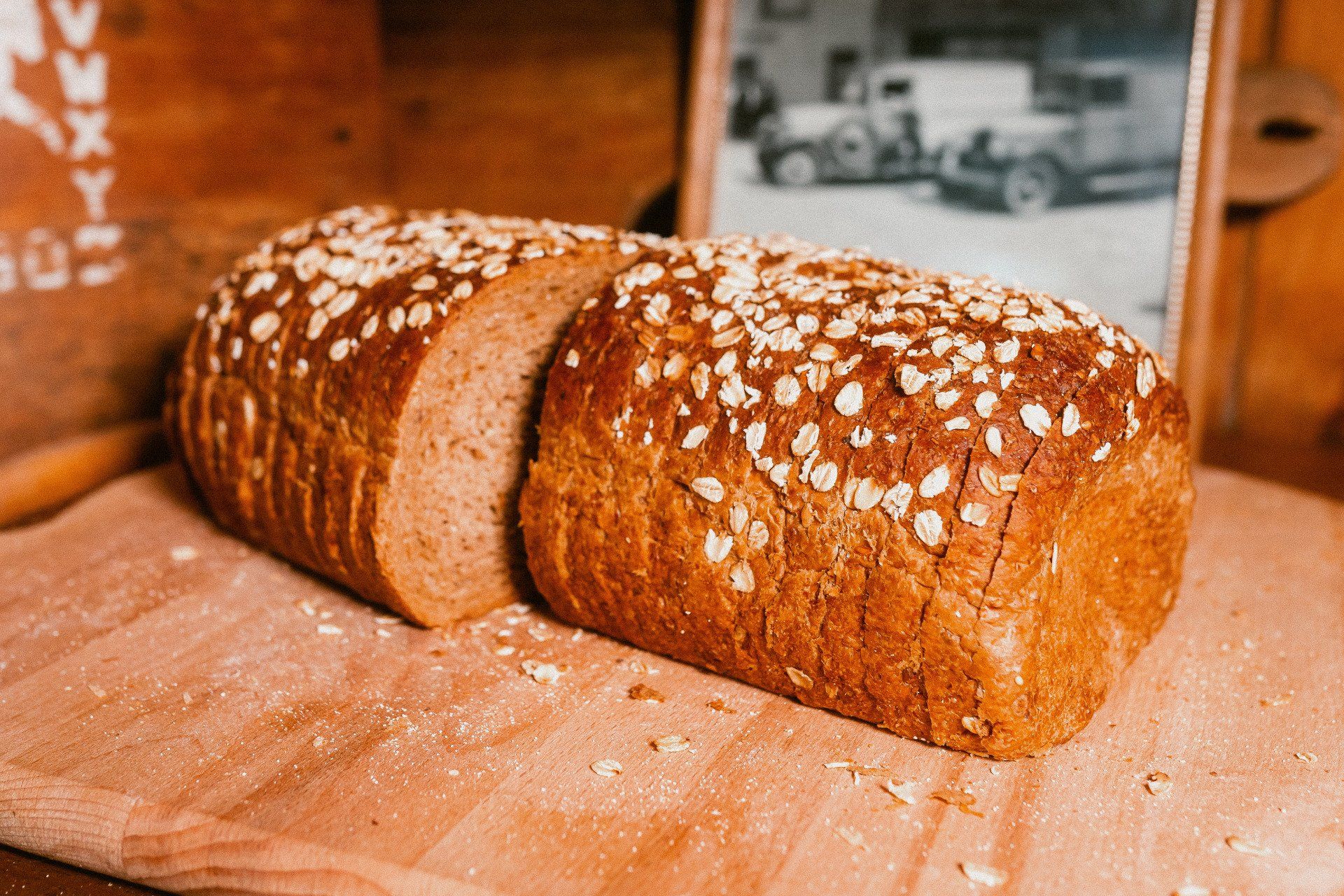
Health-conscious menus increasingly rely on multigrain options.
- Perceived nutritional value
- Slightly firmer texture that holds spreads and proteins
- Appeals to a broad demographic without sacrificing versatility
Artisan Hearth-Baked Breads
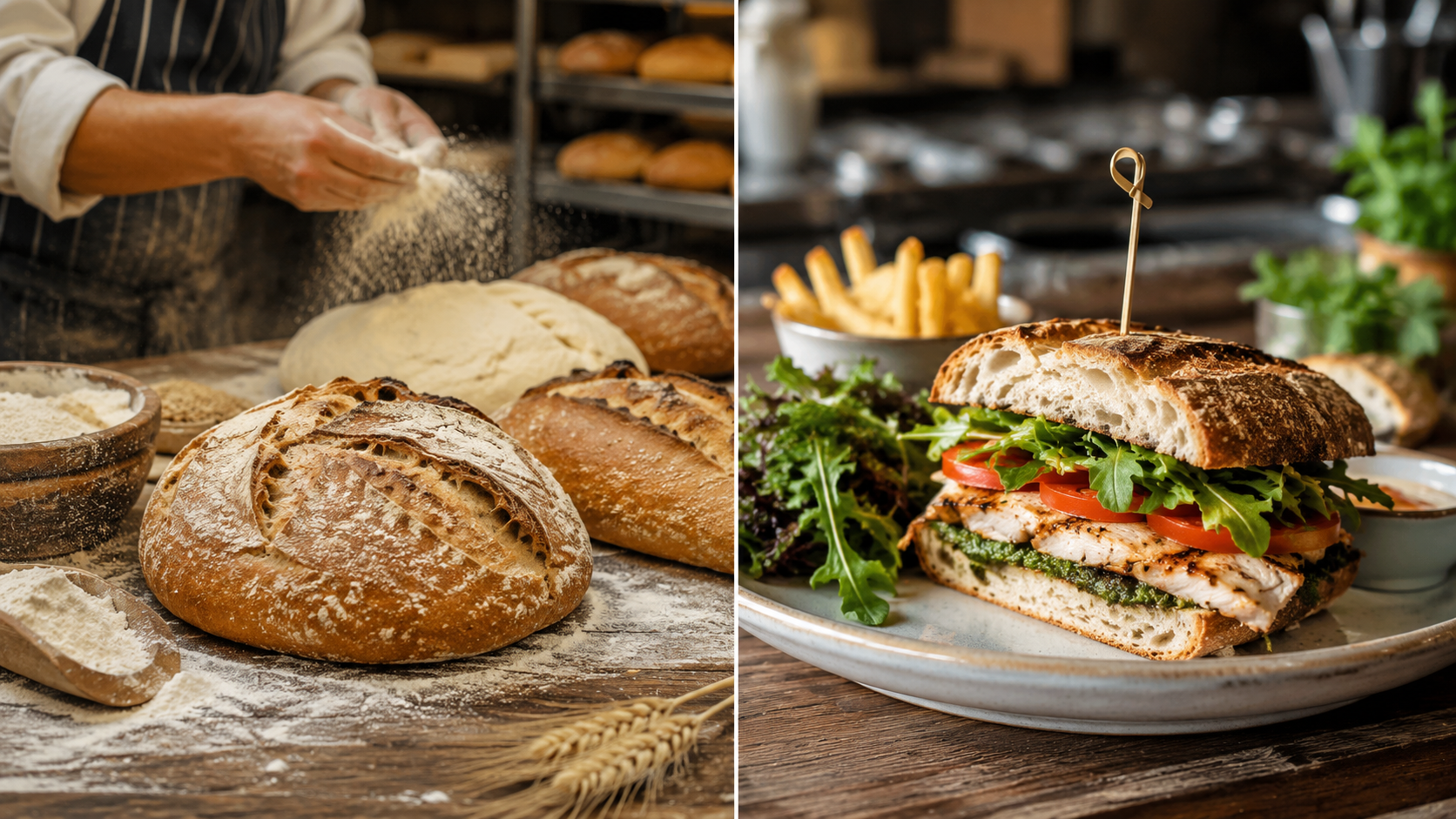
Hearth-baked sandwich breads are often used for signature menu items.
- Rustic crust and deeper flavor
- Strong structure for premium sandwiches
- Distinct visual appeal
How Bread Choice Impacts Food Service Operations
Selecting the right bread affects more than taste.
- Prep time and assembly speed
- Sandwich durability for takeout and delivery
- Customer satisfaction and repeat orders
- Food cost consistency
Wholesale bakers that understand food service needs help operators avoid issues like crumbling, excessive moisture absorption, or inconsistent sizing.
Breads Produced by Superior Baking Co
Superior Baking C o produces a wide range of high-quality baked goods for both retail customers and wholesale clients, including restaurants, markets, and food service establishments. Their offerings include:
- Hearth-baked breads
- Rolls for burgers, sandwiches, and specialty applications
- Sandwich breads for high-volume service
- Artisan breads and specialty loaves
Each product is crafted using premium ingredients and backed by over a century of baking expertise.
Serving Major Northeast Food Service Markets
Superior Baking Co
serves food service establishments across major Northeast cities, including:
- New York City, New York
- Philadelphia, Pennsylvania
- Boston, Massachusetts
- Newark and Jersey City, New Jersey
- Pittsburgh and Buffalo, Pennsylvania and New York
- Yonkers, Rochester, and Worcester
These regions demand consistency, scale, and quality, making dependable bread production essential.
Conclusion
The most popular rolls and sandwich breads in food service succeed because they meet the practical demands of busy kitchens while delivering familiar flavors customers love. From white sandwich bread to brioche and ciabatta rolls, these staples continue to anchor menus across the region.
Contact
Superior Baking Co
at
(508) 586-6601
to learn more about dependable, high-quality breads for your food service operation.
FAQs About Food Service Rolls and Sandwich Breads
Q: What is the most common bread used in restaurants?
A: White sandwich bread is the most common due to its versatility, neutral flavor, and consistency.
Q: Why do restaurants prefer brioche rolls for burgers?
A: Brioche offers a soft texture, rich flavor, and excellent toasting performance, making it ideal for burgers.
Q: What bread works best for hot sandwiches?
A: Ciabatta and hoagie rolls work well for hot sandwiches because they hold structure and resist sogginess.
Q: Are multigrain breads popular in food service?
A: Yes. Multigrain breads are increasingly popular due to customer demand for healthier menu options.
Q: Why does bread consistency matter in food service?
A: Consistent bread size and texture help control portions, speed up prep, and ensure reliable customer experiences.
Learn how to calculate bread usage and cost per serving, account for waste, and improve bread purchasing for restaurants and foodservice operations.
Learn what makes great sandwich bread and how fresh ingredients, expert craftsmanship, and over 100 years of experience help create a better dining experience.
Learn why businesses choose family-owned bakeries for fresher bread, better service, consistent quality, and dependable wholesale partnerships.
Find a trusted wholesale bakery based in Brockton, MA, serving all of New England. Superior Baking Company Inc. offers quality, custom orders & reliable service.
Learn whether fresh or frozen baked goods are best for catering, and discover why many food service professionals choose fresh bakery products.
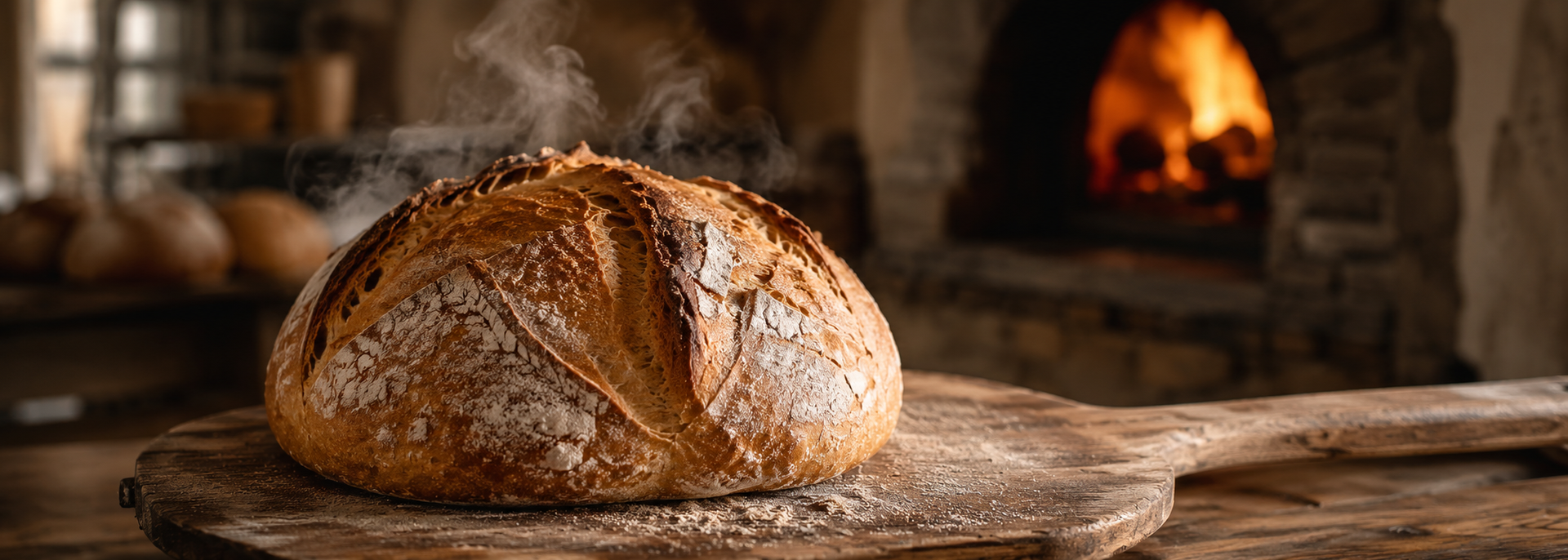
Learn what makes hearth-baked bread unique, from crust and flavor to texture and artisan baking methods. Discover the benefits for consumers and businesses.
Learn why restaurants choose bakeries that use premium or locally sourced ingredients for fresher flavor, consistency, and customer satisfaction.
Learn typical minimum order quantities for wholesale baked goods and how to plan smarter orders for your business.
Discover clean-label and preservative-free wholesale bread options for restaurants, markets, and food service businesses across the Northeast.
The average shelf life of freshly baked bread in food service distribution is typically 2 to 5 days at room temperature, depending on ingredients, storage conditions, and packaging, though this can extend up to 7 to 10 days with proper handling or preservatives and even longer when frozen. Fresh bread is a high-demand staple, but its freshness window is relatively short. For restaurants, markets, and distributors, knowing how to manage shelf life effectively can make a major difference in product quality and profitability. Below is a practical breakdown of what impacts bread longevity and how to maximize it. What Determines the Shelf Life of Fresh Bread? Several factors influence how long bread stays fresh in a food service environment: Ingredients and Formulation Artisan breads with minimal preservatives typically last 2 to 3 days Commercial sandwich breads may last 5 to 7 days due to added preservatives Enriched breads with fats or sugars tend to retain moisture longer Packaging Methods Paper bags allow airflow but shorten shelf life Plastic packaging helps retain moisture and extend freshness Modified atmosphere packaging can significantly prolong shelf life for distribution Storage Conditions Room temperature (ideal for short-term use): 2 to 5 days Refrigeration (not always recommended): can dry bread faster Freezing: extends shelf life up to 3 months without major quality loss Typical Shelf Life by Bread Type Hearth-Baked and Artisan Breads Shelf life: 2 to 3 days Best for: restaurants prioritizing flavor and crust quality Sandwich Breads and Rolls Shelf life: 4 to 7 days Best for: high-volume food service operations Specialty Loaves Shelf life: varies based on ingredients Items with seeds, grains, or inclusions may have slightly longer or shorter windows Best Practices for Food Service Distribution To maximize freshness and reduce waste, follow these proven strategies: 1. Optimize Delivery Schedules Frequent deliveries ensure consistent freshness Smaller batch distribution reduces spoilage risk 2. Use Proper Storage Techniques Store bread in cool, dry areas away from direct sunlight Avoid refrigeration unless necessary for specific products 3. Freeze Strategically Freeze excess inventory immediately Thaw as needed to maintain product quality 4. Train Staff on Handling Avoid squeezing or compressing loaves Rotate stock using FIFO, first in, first out Why Shelf Life Matters in Food Service Understanding bread shelf life is not just about freshness, it directly impacts: Customer experience: stale bread can damage brand perception Food costs: poor management leads to unnecessary waste Operational efficiency: better forecasting improves inventory control For restaurants and markets, consistent quality builds trust and repeat business. Local Distribution Expertise Matters For businesses across New York City, New York; Philadelphia, Pennsylvania; Boston, Massachusetts; Newark, New Jersey; Jersey City, New Jersey; Pittsburgh, Pennsylvania; Buffalo, New York; Yonkers, New York; Rochester, New York; and Worcester, Massachusetts, working with a reliable regional bakery partner ensures fresher deliveries and better shelf life outcomes. Superior Baking Co produces a wide range of high-quality baked goods, including: Hearth-baked breads Rolls Sandwich breads Artisan breads Specialty loaves Serving both retail and wholesale clients such as restaurants, markets, and food service establishments, they combine premium ingredients with over a century of baking expertise to deliver consistent quality across the region. If you are looking for dependable, high-quality bread with optimized freshness for your operation, now is the time to partner with a trusted bakery. Contact Superior Baking Co at (508) 586-6601 to learn how their fresh baked goods can support your food service needs and improve your product consistency. Here Are Some Other Questions that we are Frequently Asked: Q: How can I extend the shelf life of fresh bread without preservatives? A: Use proper packaging, store at room temperature in a dry environment, and freeze any excess inventory early. Q: Is refrigeration a good option for bread storage? A: Not usually. Refrigeration can cause bread to stale faster due to moisture loss. Q: What is the best way to store bread in a restaurant? A: Keep it in a cool, dry area in breathable or sealed packaging depending on the bread type, and rotate stock daily. Q: Can frozen bread maintain quality for food service use? A: Yes. When frozen properly and thawed correctly, bread can retain most of its taste and texture. Q: How often should food service businesses restock bread? A: Most operations benefit from deliveries 2 to 4 times per week to maintain optimal freshness.