What Should I Look for When Comparing Wholesale Bread Suppliers? A Guide for Food Businesses
This guide helps restaurant owners and food service managers evaluate bakery partnerships to ensure consistent quality, reliable delivery, and cost-effective operations for their business.
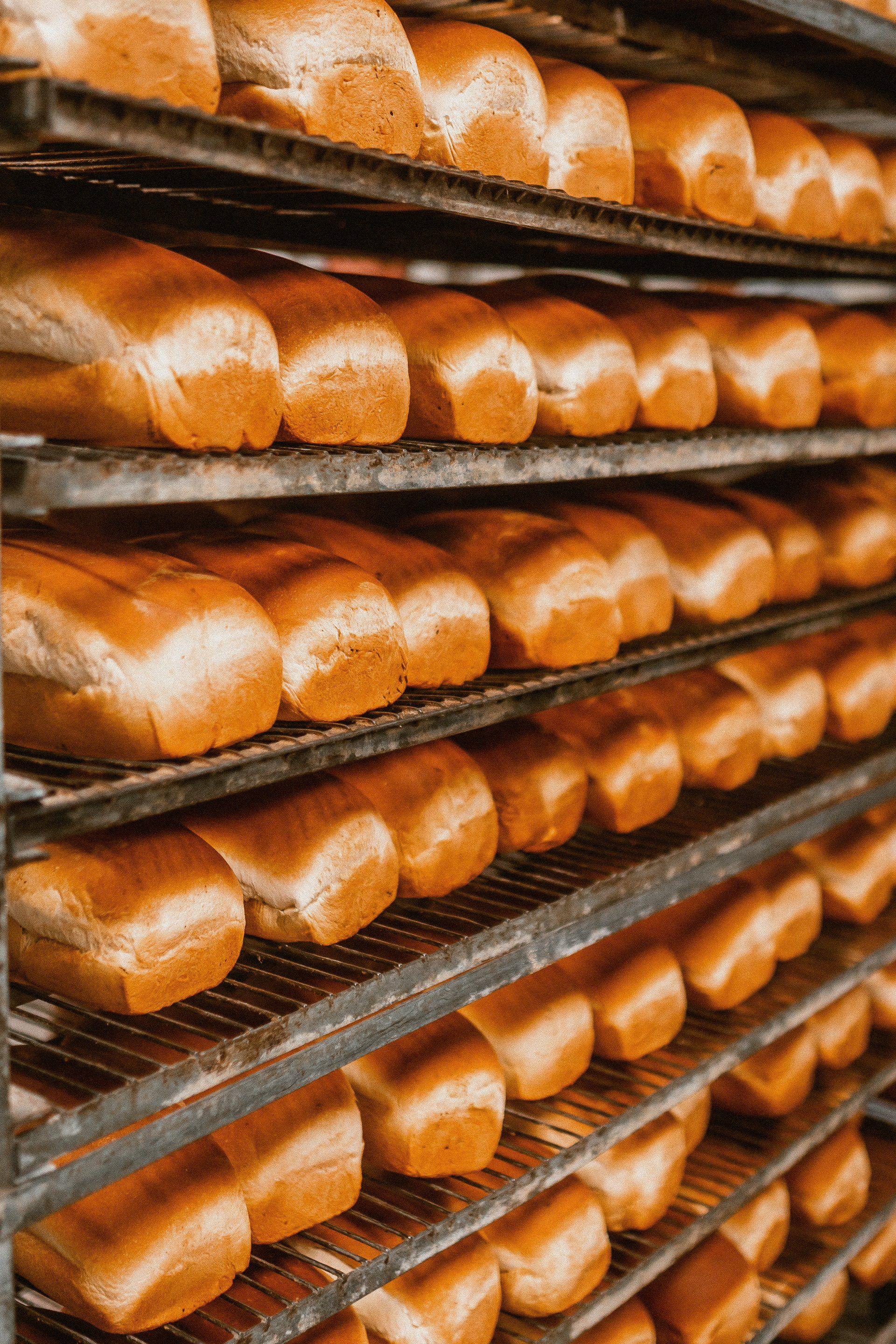
To choose the right wholesale bread supplier, you must prioritize consistent product quality, delivery reliability, and a diverse product range that fits your menu. Focus on suppliers with established safety certifications, transparent ordering processes, and a proven track record of on-time deliveries to ensure your kitchen or market remains fully stocked and your customers stay satisfied.
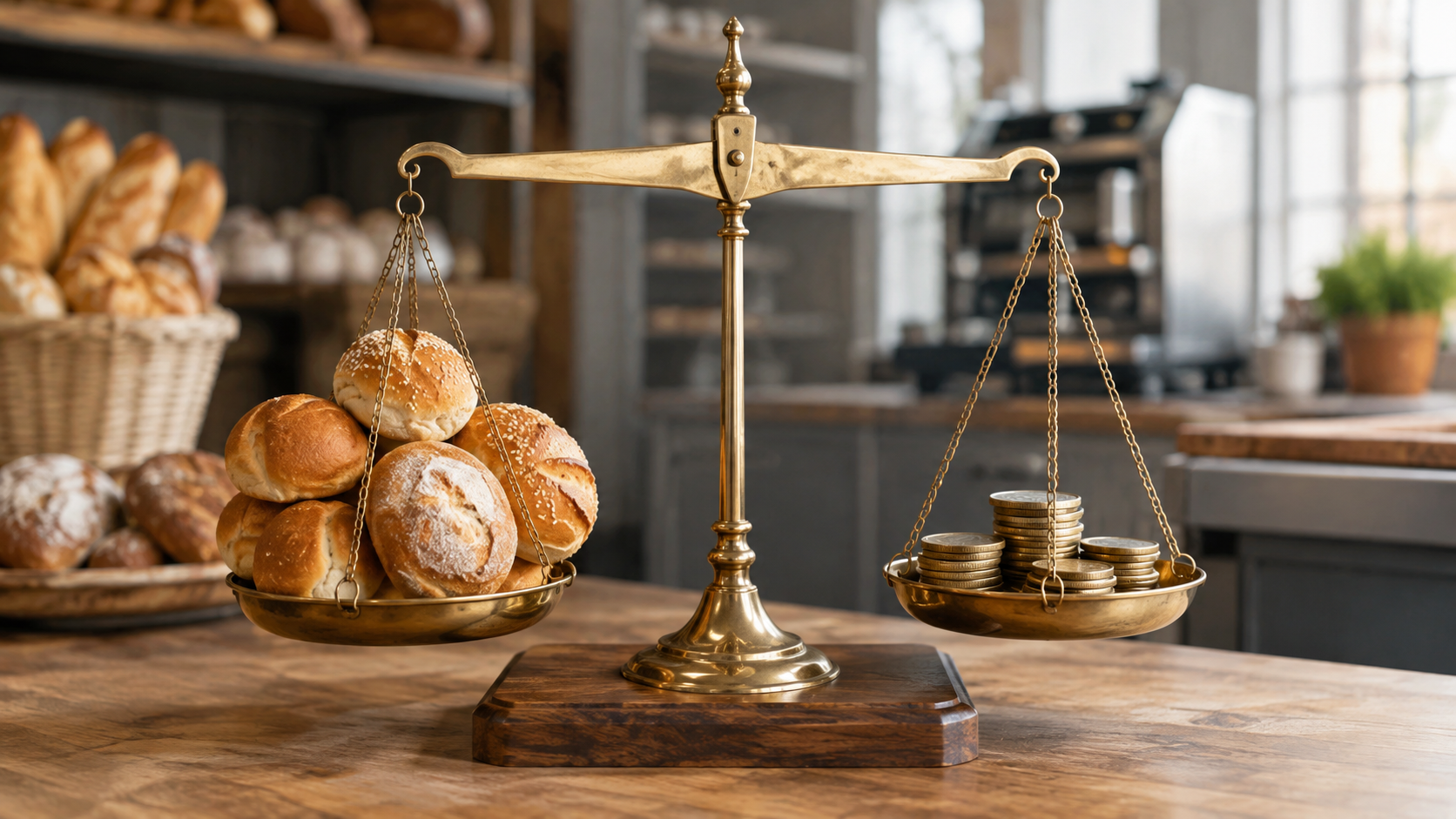
That is the short answer. While price is always a factor, the cheapest option often leads to hidden costs like late deliveries or stale products that drive customers away. Finding a partner who balances craftsmanship with industrial-scale reliability is the key to a successful long-term relationship.
Core Evaluation Criteria
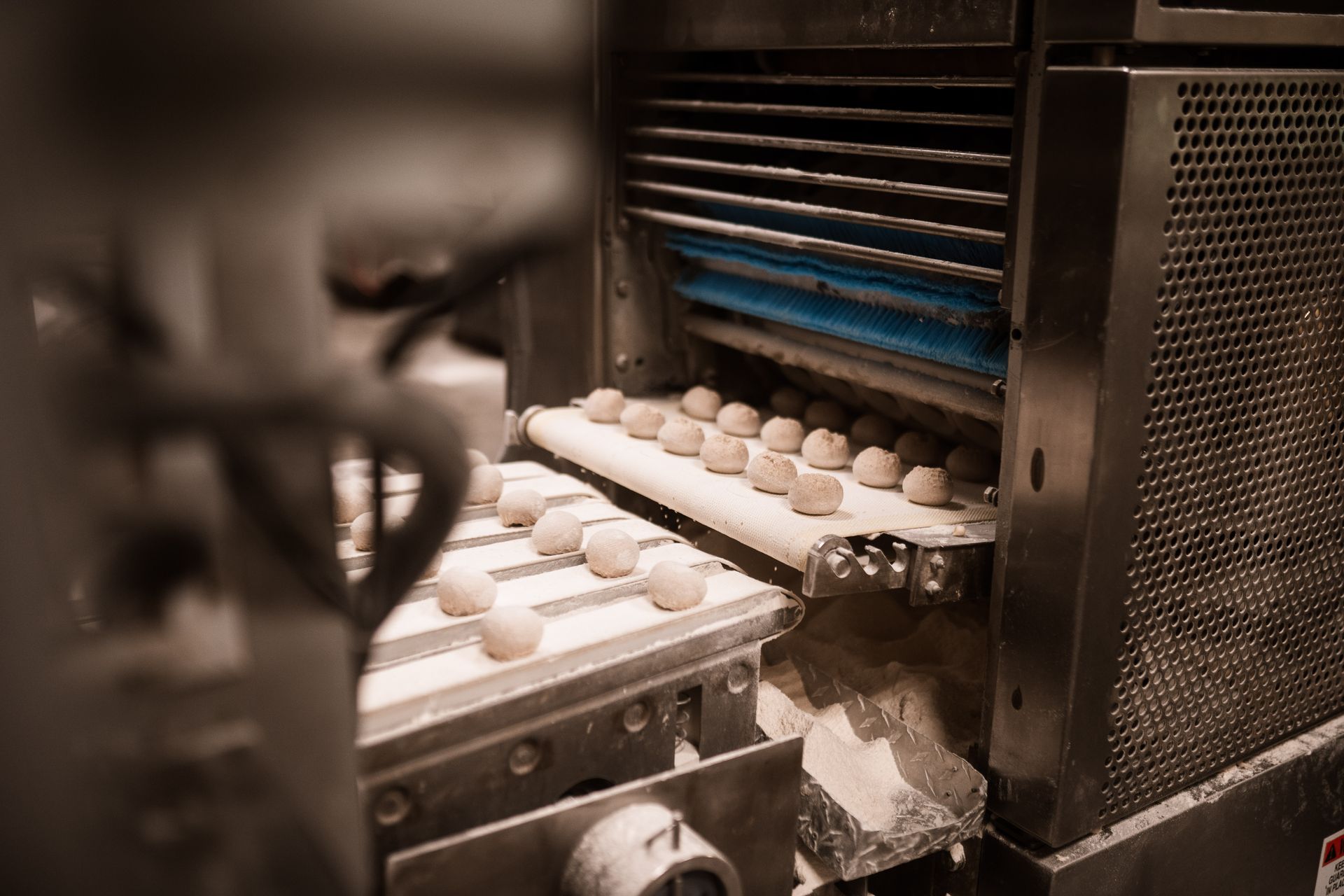
When comparing providers, you should look for specific markers of professional excellence. For many businesses, the first thing to check is quality and freshness. Wholesale bread should be baked to order using premium ingredients without excessive preservatives. Ask potential suppliers about their "bake-to-ship" window to ensure you are receiving the freshest possible product.
- Reliability is the second pillar. A missed delivery at 6:00 AM can ruin a lunch rush. Here’s what that means in practice:
- Delivery Frequency: Do they deliver daily or only on specific days?
- Logistics: Do they own their own fleet, or do they use a third-party service?
- Emergency Orders: Can they handle a last-minute request if you have an unexpected surge in business?
Range and Customization
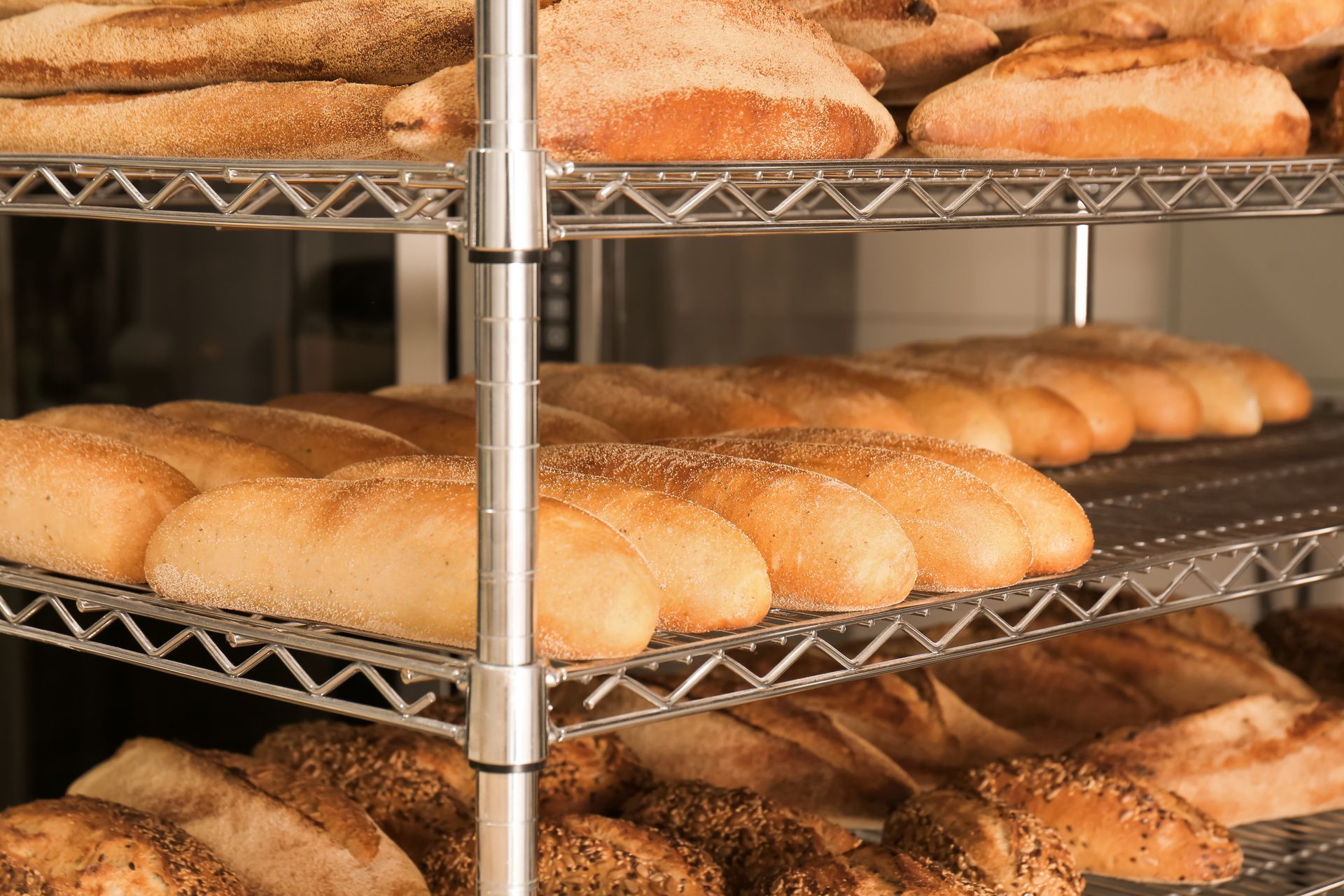
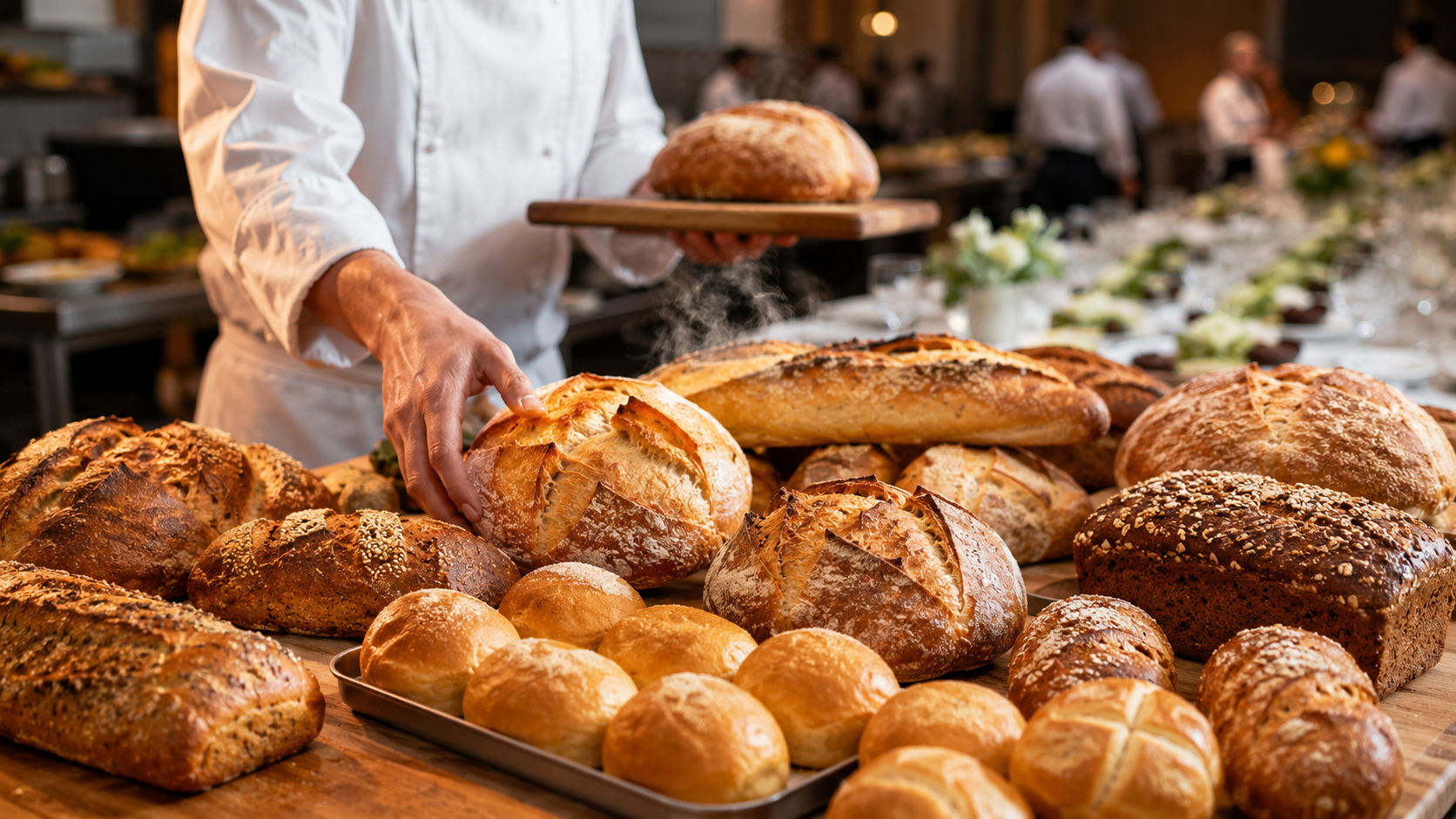
Your menu needs may change seasonally, so a supplier with a broad catalog is a significant asset. A high-quality partner should offer a wide variety of hearth-baked breads, including:
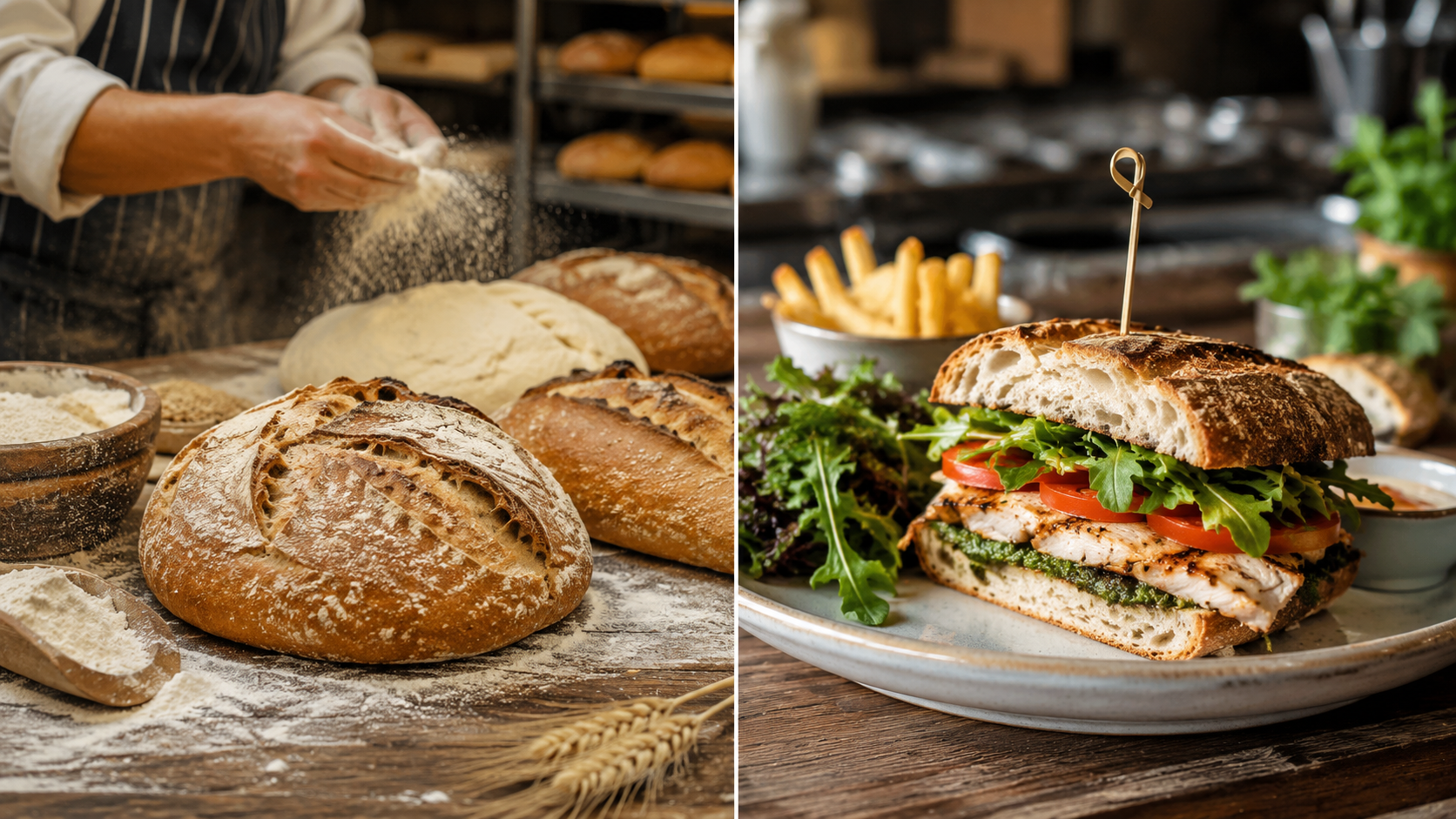
- Artisan Loaves: Sourdough, baguettes, and ciabatta for high-end service.
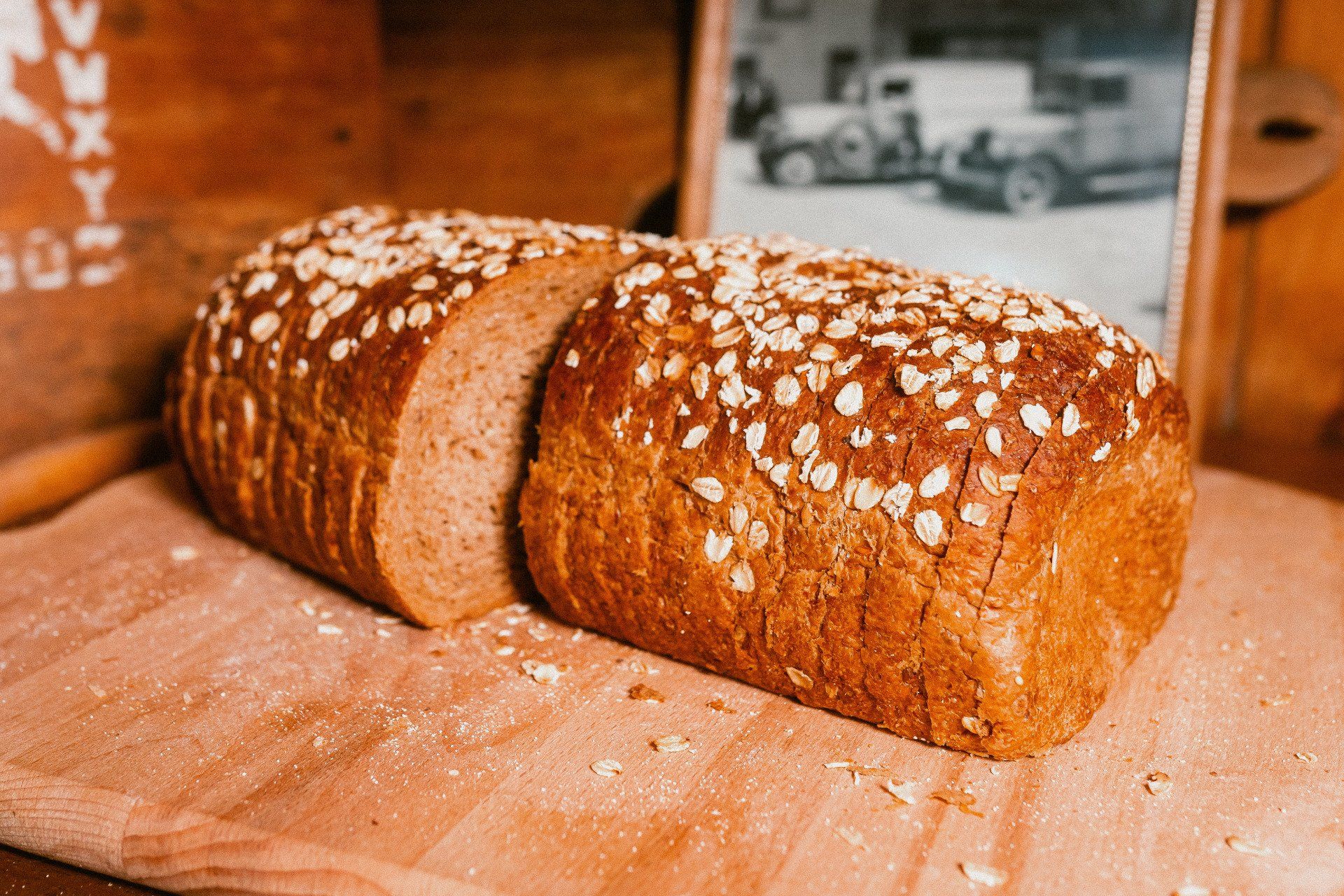
- Sandwich Basics: Consistent white, wheat, and multigrain loaves.
- Specialty Rolls: Brioche buns, hoagie rolls, and dinner rolls.
This matters because managing multiple vendors is inefficient. Look for a "one-stop" bakery that can cover everything from your morning rolls to your specialty sandwich breads.
Potential Limitations and Exceptions
It is important to note that the "best" supplier depends heavily on your volume. Large industrial bakeries may offer the lowest prices but often have high Minimum Order Quantities (MOQs) that small cafes cannot meet. Conversely, small local artisan bakers might provide superior flavor but may lack the delivery infrastructure to service a multi-location restaurant group. Always clarify these constraints before signing a contract.
For businesses in the Northeast seeking a partner with over a century of baking expertise, Superior Baking Co produces a wide range of high-quality baked goods. We specialize in hearth-baked breads, rolls, sandwich breads, artisan breads, and specialty loaves. Our team serves restaurants, markets, and food service establishments throughout the region, including:
- New York: New York City, Buffalo, Yonkers, and Rochester.
- Massachusetts: Boston, Worcester, and the surrounding areas.
- Pennsylvania: Philadelphia and Pittsburgh.
- New Jersey: Newark and Jersey City.
If you are looking to elevate your bread service with premium ingredients and reliable delivery, we invite you to contact
Superior Baking Co at
(508) 586-6601 to discuss your wholesale needs.
Learn more. Read:
How Do I Choose a Reliable Wholesale Bakery for My Restaurant or Café? Discover the Secrets to Fresh, Delicious Bread Every Day
Here Are Some Other Frequently Asked Questions That We're Often Asked:
How can I test the quality of a wholesale supplier?
Most reputable suppliers will provide samples of their core products. Request a "test delivery" to see how the bread arrives, its texture after four hours, and how it performs in your specific kitchen equipment.
What are the typical payment terms for wholesale bread?
Terms vary, but many suppliers offer Net-15 or Net-30 arrangements for established businesses. Some may require a credit card on file or COD (Cash on Delivery) for the first few weeks of a new partnership.
Do wholesale bakeries offer gluten-free or vegan options?
Many modern wholesale bakeries now offer specialty lines, but these often require separate storage or handling. Always ask about cross-contamination protocols if you serve customers with strict dietary needs.
FAQ 1: What makes a wholesale bread supplier reliable?
Answer: A reliable wholesale bread supplier consistently delivers high-quality products, meets agreed-upon delivery schedules, communicates clearly, and provides dependable customer support. Businesses should look for suppliers that prioritize consistency, freshness, and long-term partnerships.
FAQ 2: How can I compare pricing between different wholesale bread suppliers?
Answer: When comparing pricing, consider more than just the cost per loaf or item. Evaluate product quality, portion size, delivery fees, minimum order requirements, shelf life, and the overall value the supplier provides. The lowest price does not always offer the best return for your business.
FAQ 3: How does bread quality affect my customers' experience?
Answer: Bread quality can directly impact how customers perceive your food. Fresh, flavorful, and well-made bread can enhance sandwiches, burgers, and other menu items, while inconsistent or poor-quality bread may negatively affect the overall dining experience.
FAQ 4: What should I consider when evaluating a wholesale bakery’s delivery process?
Answer: Consider delivery frequency, delivery areas, order deadlines, packaging methods, and how the bakery protects product freshness during transportation. A dependable delivery process helps ensure your business always has the products it needs when customers are ready to order.
FAQ 5: How can a wholesale bread supplier support my business during busy seasons?
Answer: The right wholesale bread supplier should have the production capacity and flexibility to support increased demand during busy periods. Ask potential suppliers how they handle larger orders, seasonal changes, and unexpected increases in product needs.
Editorial Note: This information is based on general food service industry best practices and documentation from professional culinary organizations. Specific service availability and pricing vary by provider and region.