Top Qualities to Look for in a Wholesale Bakery
Choosing the right wholesale bakery partner can make a significant difference in the quality, consistency, and profitability of any food service business. Restaurants, sandwich shops, distributors, and markets across New England all depend on reliable baked goods to keep customers coming back. Knowing what to look for before signing on can save time, money, and a lot of headaches.
Product Consistency and Ingredient Quality
Consistent product quality is the most important factor when evaluating a wholesale bakery. Every batch of bread, rolls, or specialty items should look and taste the same from one delivery to the next. Customers notice when quality slips, and food service operators cannot afford that kind of inconsistency.
Ingredient quality plays a direct role in the final product. A reputable bakery company will use quality, clearly sourced ingredients without cutting corners. Look for a bakery that is transparent about what goes into its recipes and takes pride in keeping those standards high day after day.
What Custom Order Capabilities Should You Expect?
A strong bakery partner can adapt to your specific needs. Not every restaurant or food service provider uses the same size roll or bread variety. Bakeries that offer custom sizing, specialty shapes, and product variety give their clients a competitive edge on the menu.
Scalable production matters just as much. As your business grows, your bakery partner should be able to grow with you. Look for a wholesale bakery company with the facility capacity to handle increased order volumes without sacrificing quality or turnaround time.
Reliable Delivery and Communication Standards
Dependable delivery is a non-negotiable quality in any wholesale bakery relationship. Late or inconsistent deliveries can disrupt kitchen operations and lead to product shortages during peak service hours. Confirm that a bakery offers scheduled, reliable delivery that fits your operational needs.
Communication matters too. A wholesale bakery company that is easy to reach and quick to respond helps food service businesses plan more effectively. Whether you need to adjust an order, discuss a custom request, or resolve an issue, strong customer service from your bakery partner is essential to a smooth operation.
Food Safety Standards and Production Practices
A professional bakery company will maintain strict food safety standards throughout its production process. This includes routine quality checks, proper handling procedures, and a facility built to meet industry regulations. Before committing to a bakery partner, it is worth asking about their production facility, food handling protocols, and any relevant certifications or inspection records.
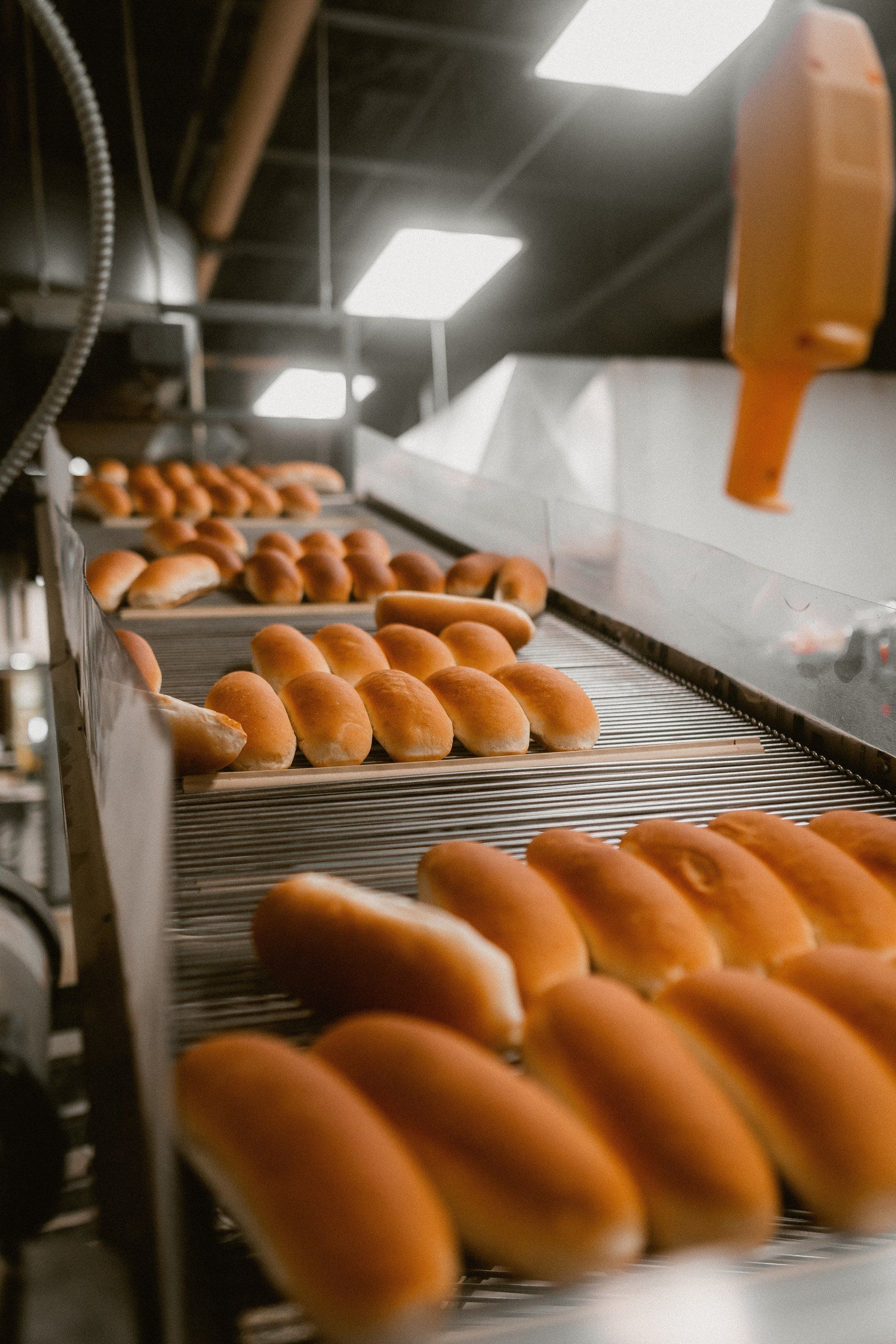
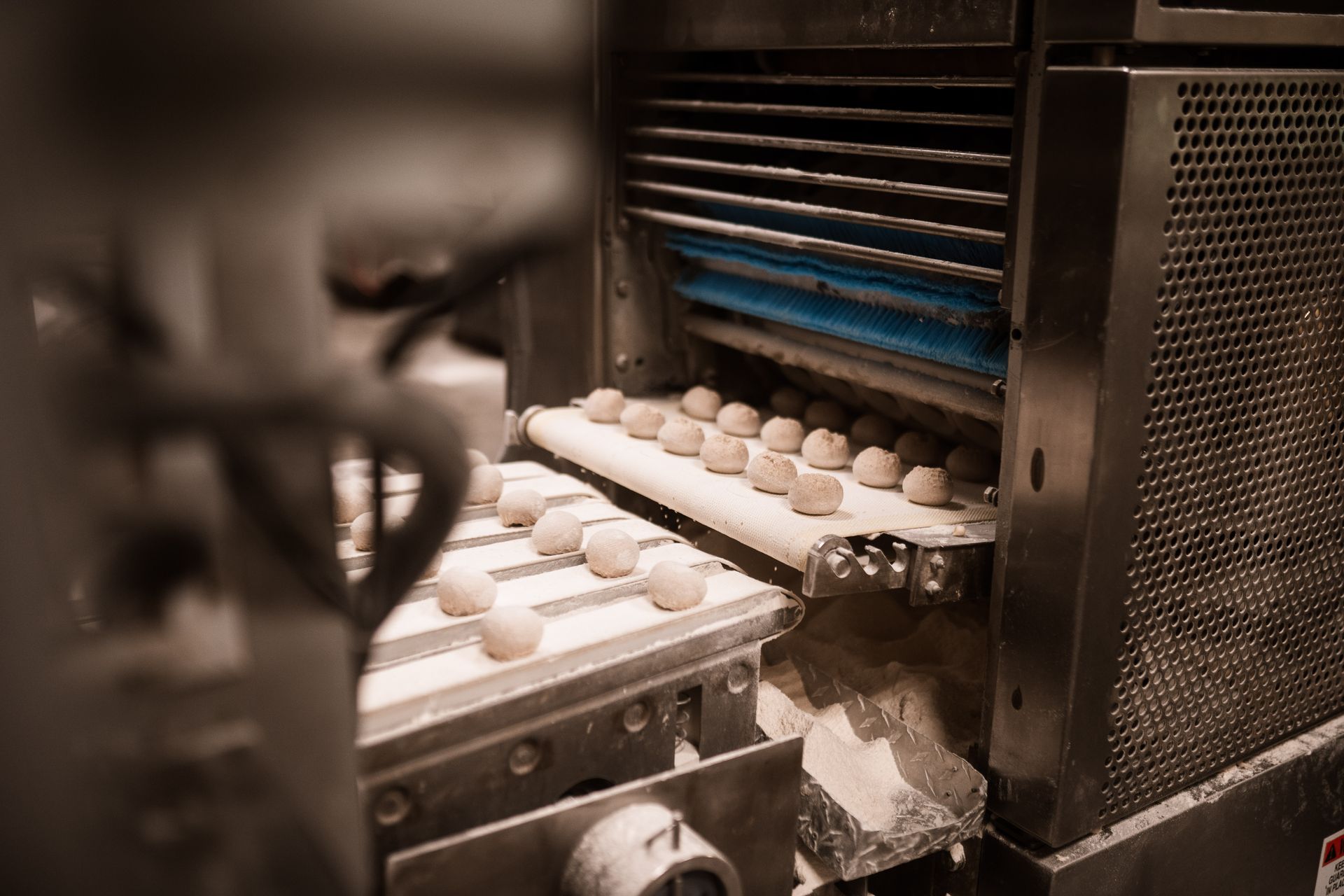
Modern, well-maintained production facilities can support larger orders more efficiently while reducing the risk of contamination or quality lapses. A bakery that invests in its facility is a bakery that takes its partnerships seriously.
Ready to Partner With a Wholesale Bakery?
When you are evaluating bakery partners in the region, experience, quality, and communication should guide your decision. Superior Baking Company Inc. has served restaurants, food service providers, distributors, and suppliers throughout New England for over 100 years. Based in Brockton, MA, the company serves clients across the entire New England region. With a modernized 16,000-square-foot production facility, custom order capabilities, and a long-standing commitment to ingredient quality, Superior Baking Company Inc. offers the reliability that growing businesses need.
To discuss your bakery needs or place a wholesale order, contact the team online or call (508) 586-6601. You can also explore the full range of available baked products to find the right fit for your
Go deeper. Read: What Should I Look for When Comparing Wholesale Bread Suppliers? A Guide for Food Businesses
FAQs
What should I ask a wholesale bakery before placing my first order?
Before choosing a wholesale bakery, ask about minimum order requirements, delivery schedules, product shelf life, ingredient sourcing, pricing, order deadlines, and how they handle special requests. A reliable bakery should be transparent and able to answer your questions confidently.
How do I know if a wholesale bakery can keep up with my business as it grows?
Ask about the bakery's production capacity, delivery capabilities, and experience serving businesses similar to yours. A dependable wholesale bakery should be able to scale with your needs while maintaining consistent product quality and reliable service.
Why is consistency important when choosing a wholesale bakery?
Customers expect the same great taste and appearance every time they visit your business. A wholesale bakery that produces consistent products helps protect your reputation, improves customer satisfaction, and keeps your menu dependable.
Can a wholesale bakery customize products for my business?
Many wholesale bakeries can customize products to meet your needs. Depending on the bakery, this may include custom bread sizes, specialty rolls, unique recipes, seasonal products, or packaging options that better fit your brand and menu.
How often do wholesale bakeries typically deliver?
Delivery schedules vary by bakery and service area. Some offer daily deliveries, while others deliver several times per week. It's important to choose a bakery whose delivery schedule aligns with your inventory needs and business operations.
Should I choose a local wholesale bakery or a national supplier?
Both options have advantages, but many businesses prefer working with a local wholesale bakery because of shorter delivery times, fresher products, more personalized service, and easier communication. The right choice depends on your business goals and product requirements.
What industries benefit from working with a wholesale bakery?
Wholesale bakeries commonly serve restaurants, delis, cafés, grocery stores, schools, healthcare facilities, catering companies, hotels, food trucks, and convenience stores. Any business that regularly serves baked goods can benefit from a dependable wholesale bakery partner.
How can the right wholesale bakery help my business succeed?
A quality wholesale bakery provides consistent products, dependable deliveries, responsive customer service, and the flexibility to support your changing needs. By partnering with the right bakery, you can spend less time worrying about your bread supply and more time serving your customers.