Are There Benefits to Sourcing Bread from a Family-Owned Bakery vs. a National Brand? Here's What You Should Know
Choosing the right bread supplier affects more than taste. It can influence product quality, customer satisfaction, consistency, and the long-term success of your business. Here's how family-owned bakeries compare to large national brands.
The answer is yes. Sourcing bread from a family-owned bakery often provides fresher products, greater flexibility, personalized customer service, consistent quality, and stronger local partnerships than working with a large national brand. While national suppliers may offer broad distribution, family-owned bakeries frequently deliver better value through craftsmanship, responsiveness, and long-term relationships.
For restaurants, grocery stores, food service companies, and retailers, bread is more than a menu item or shelf product. It represents quality, freshness, and the overall customer experience. Selecting the right supplier is an important business decision that can affect your reputation and your bottom line.
If you're comparing a family-owned bakery with a national brand, understanding the differences can help you choose the supplier that best supports your business goals.
Why Many Businesses Prefer Family-Owned Bakeries
Family-owned bakeries often build their reputation on consistency, quality, and personal relationships rather than mass production. Because they are invested in their communities and customers, they frequently provide a level of service that larger corporations cannot easily match.
Some of the biggest advantages include:
- Freshly baked products with careful attention to quality
- Greater flexibility for custom orders and specialty requests
- Direct communication with experienced professionals
- Faster responses to changing customer needs
- Long-term partnerships built on trust and reliability
Rather than becoming just another account number, customers often receive personalized service designed around their specific business needs.
Higher Quality Through Traditional Baking Expertise
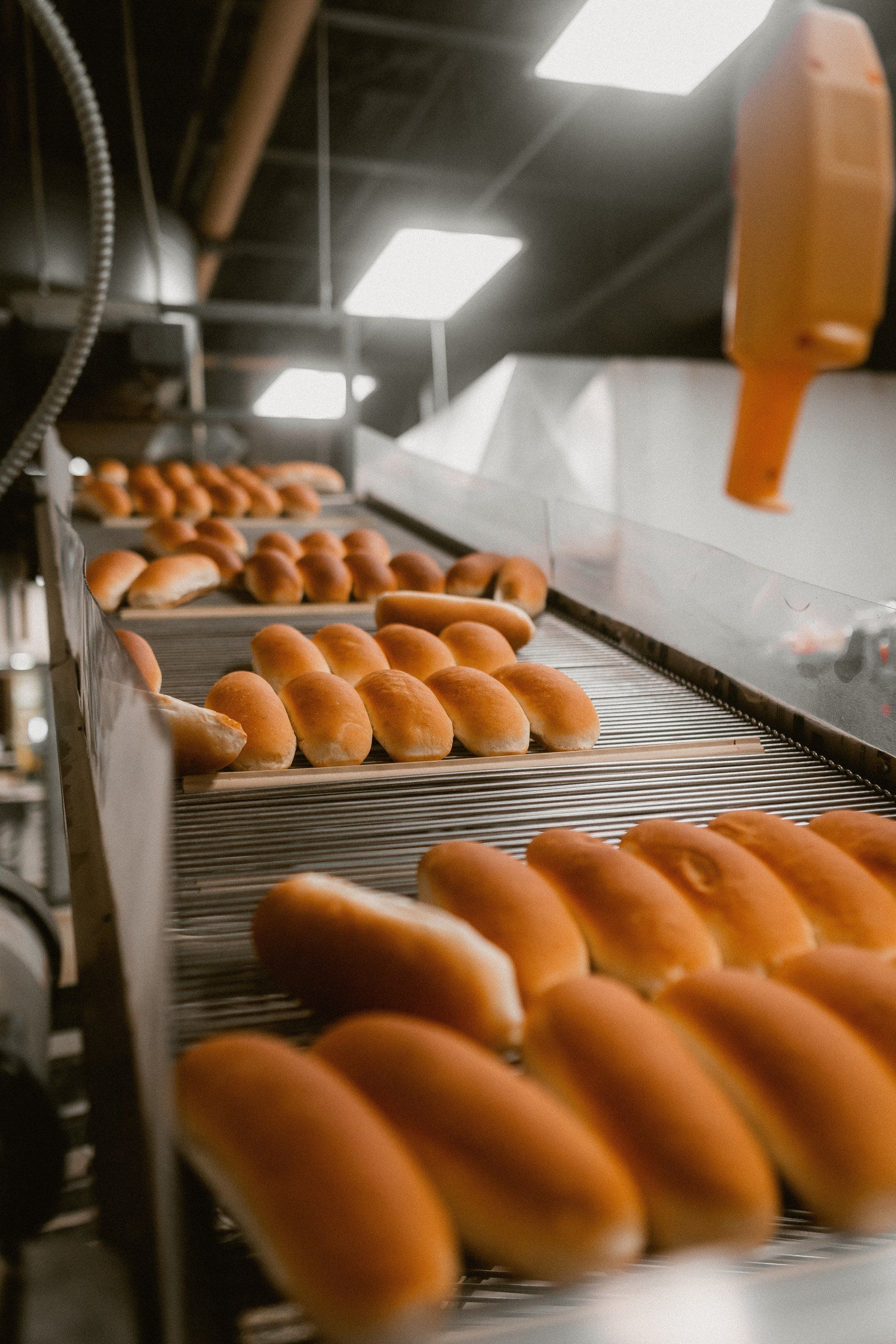
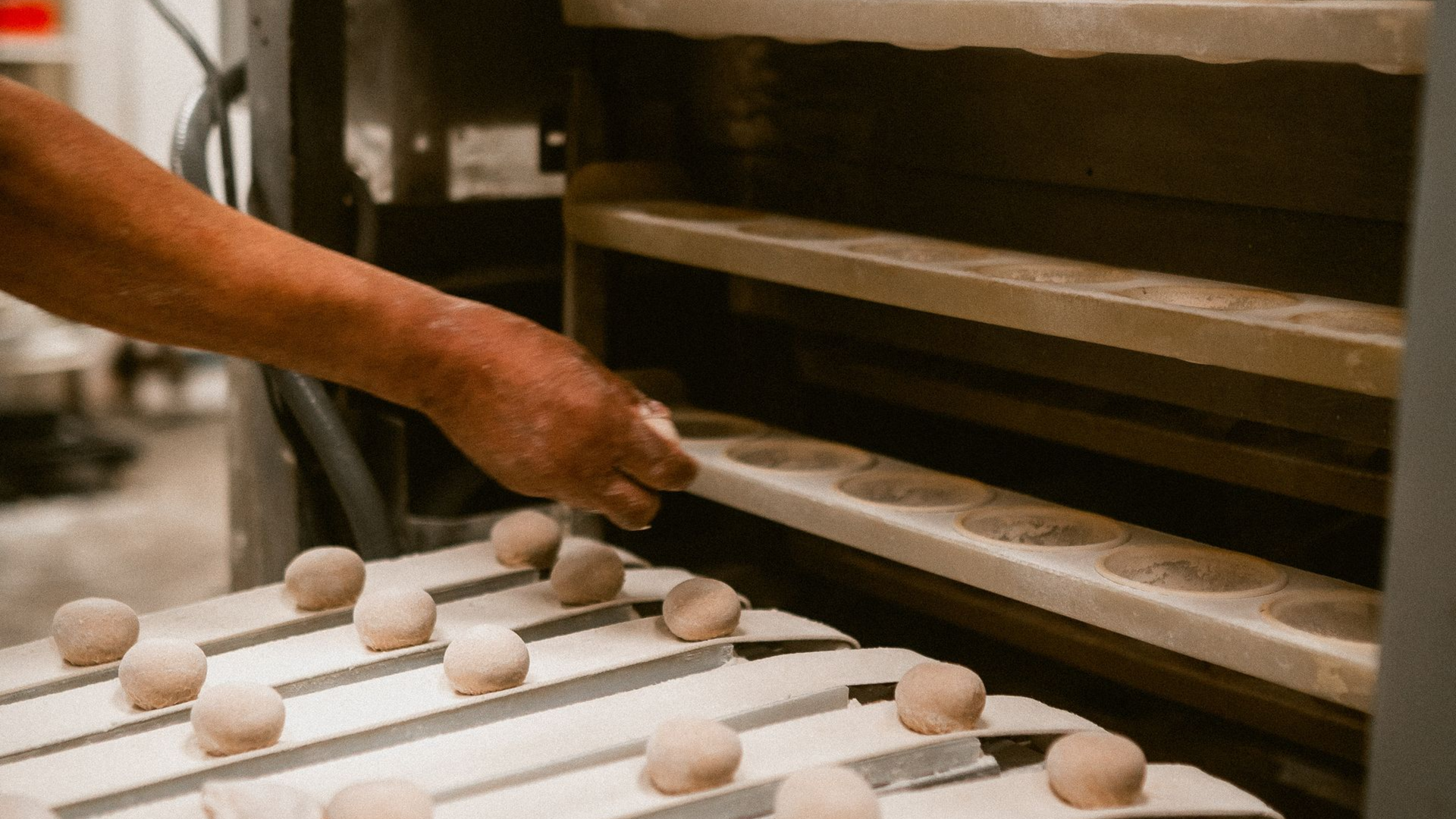
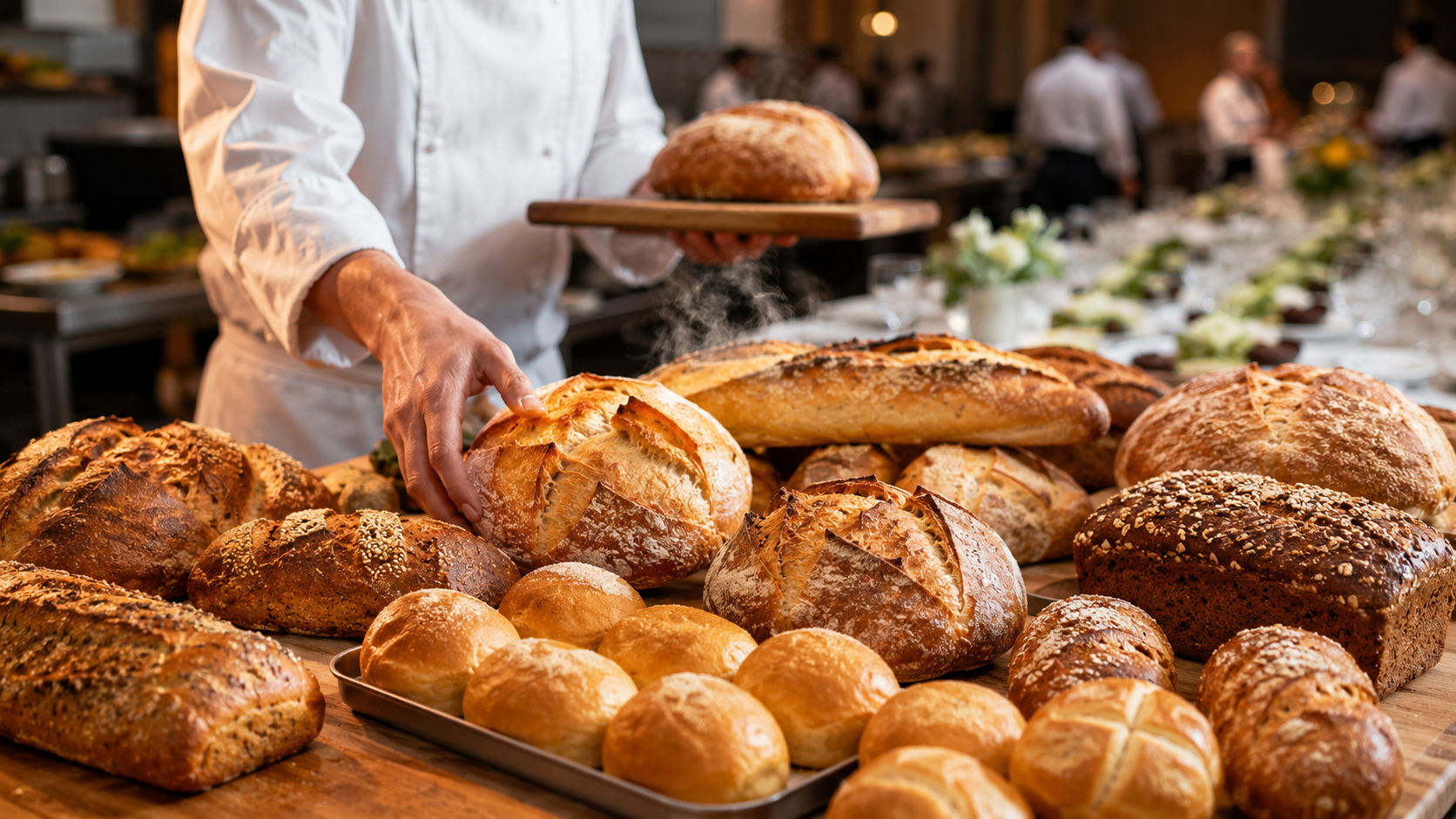
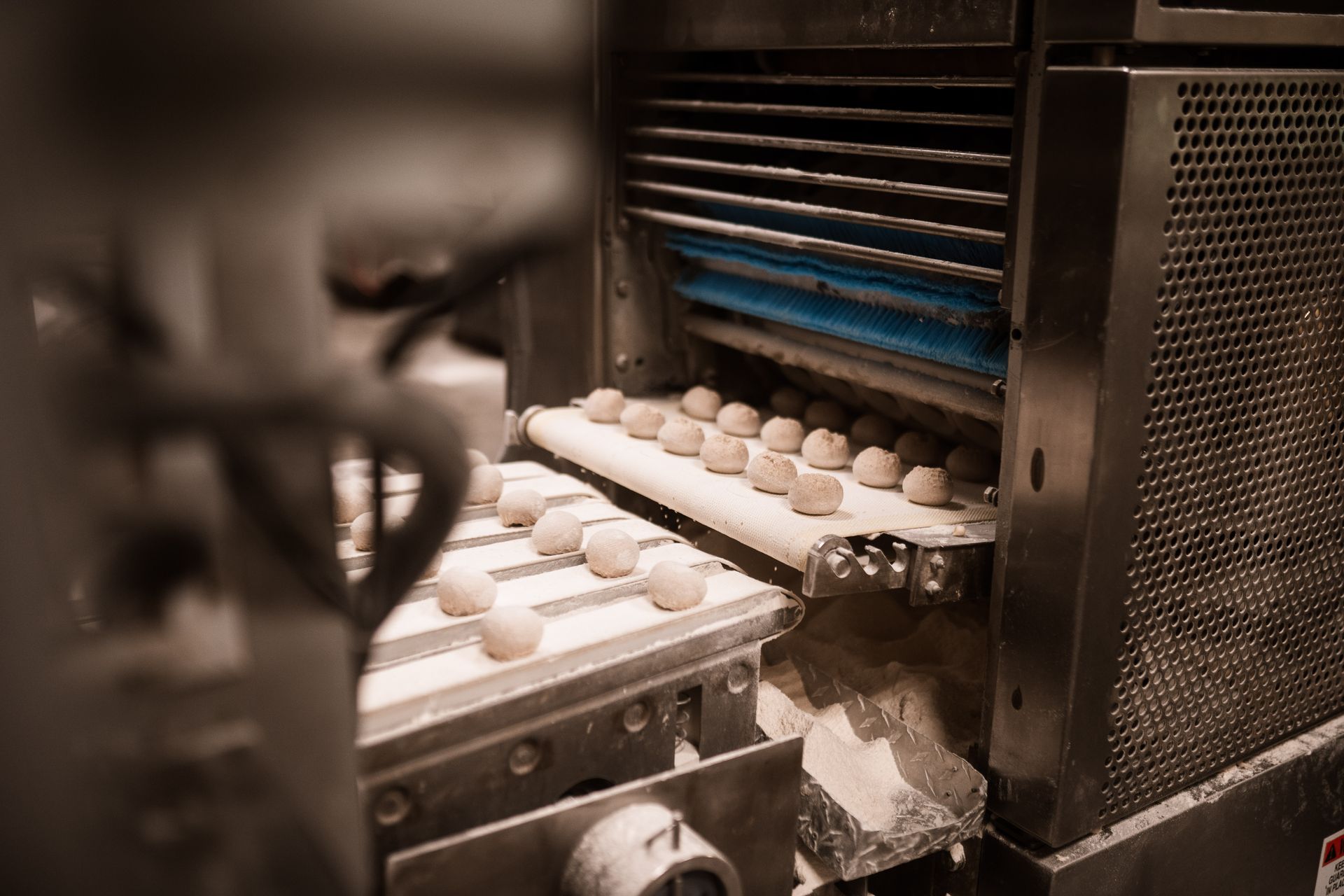
Many family-owned bakeries continue to use time-tested baking methods while incorporating modern production standards. This combination allows them to maintain exceptional consistency without sacrificing craftsmanship.
Superior Baking Co produces a wide range of premium baked goods, including:
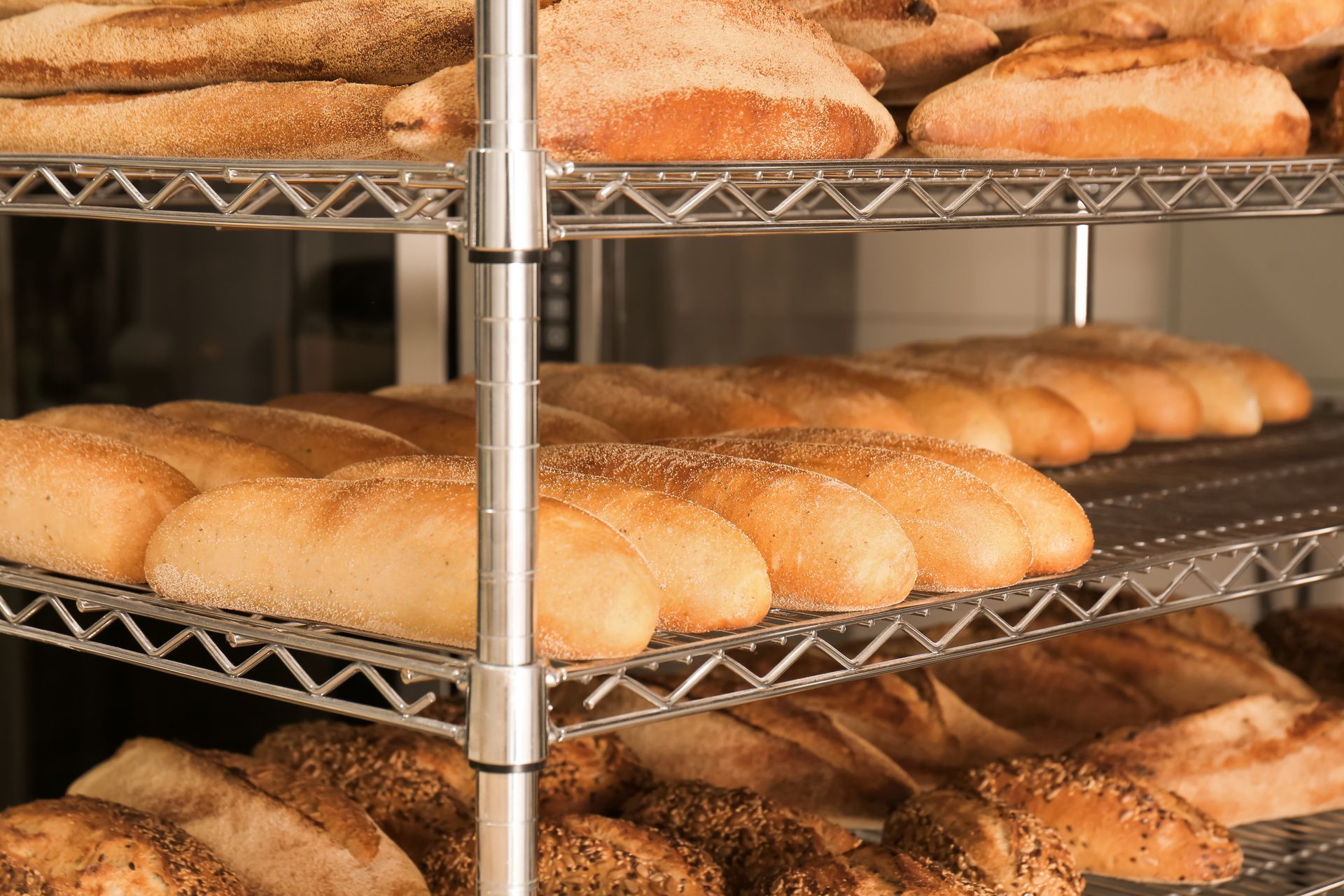
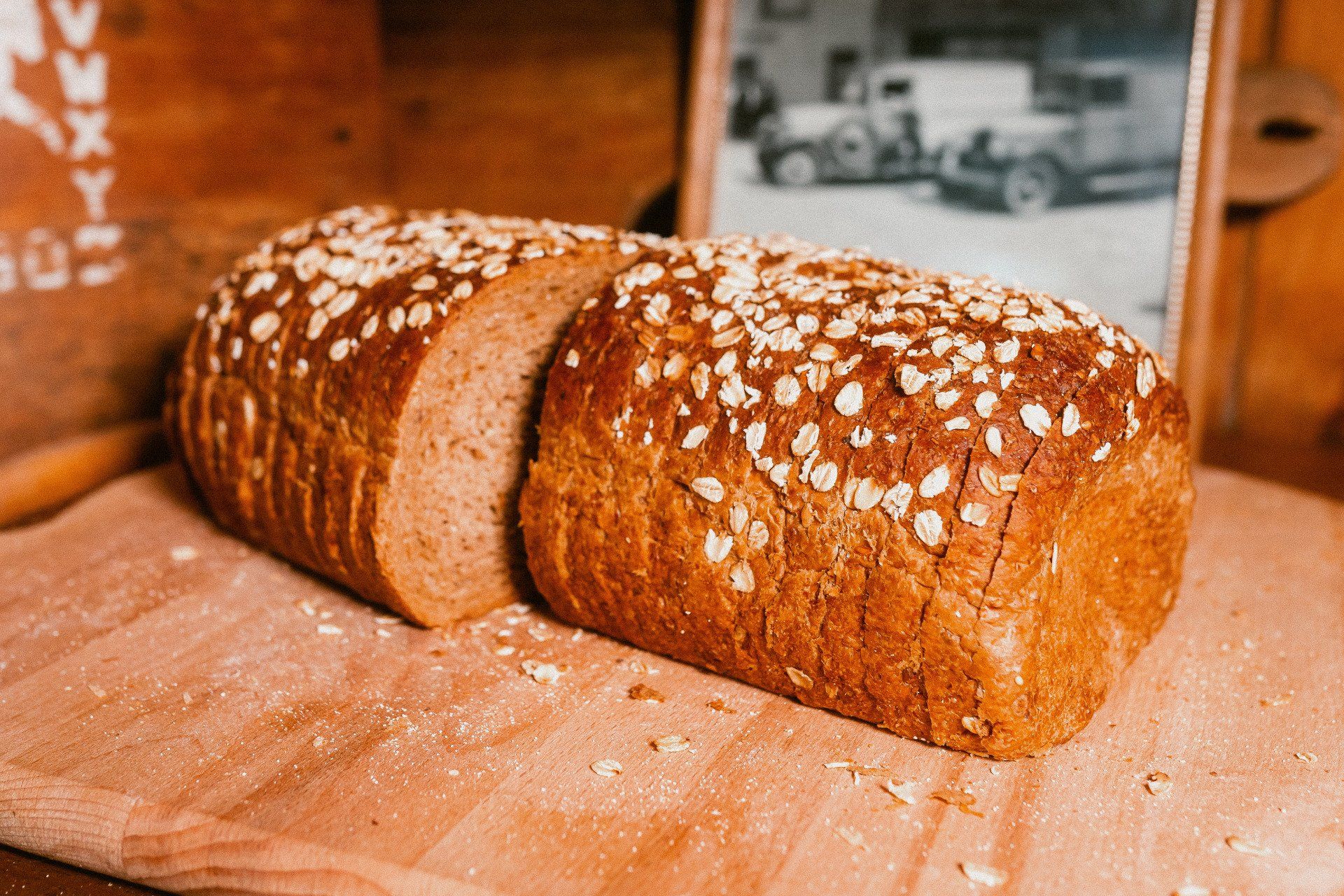
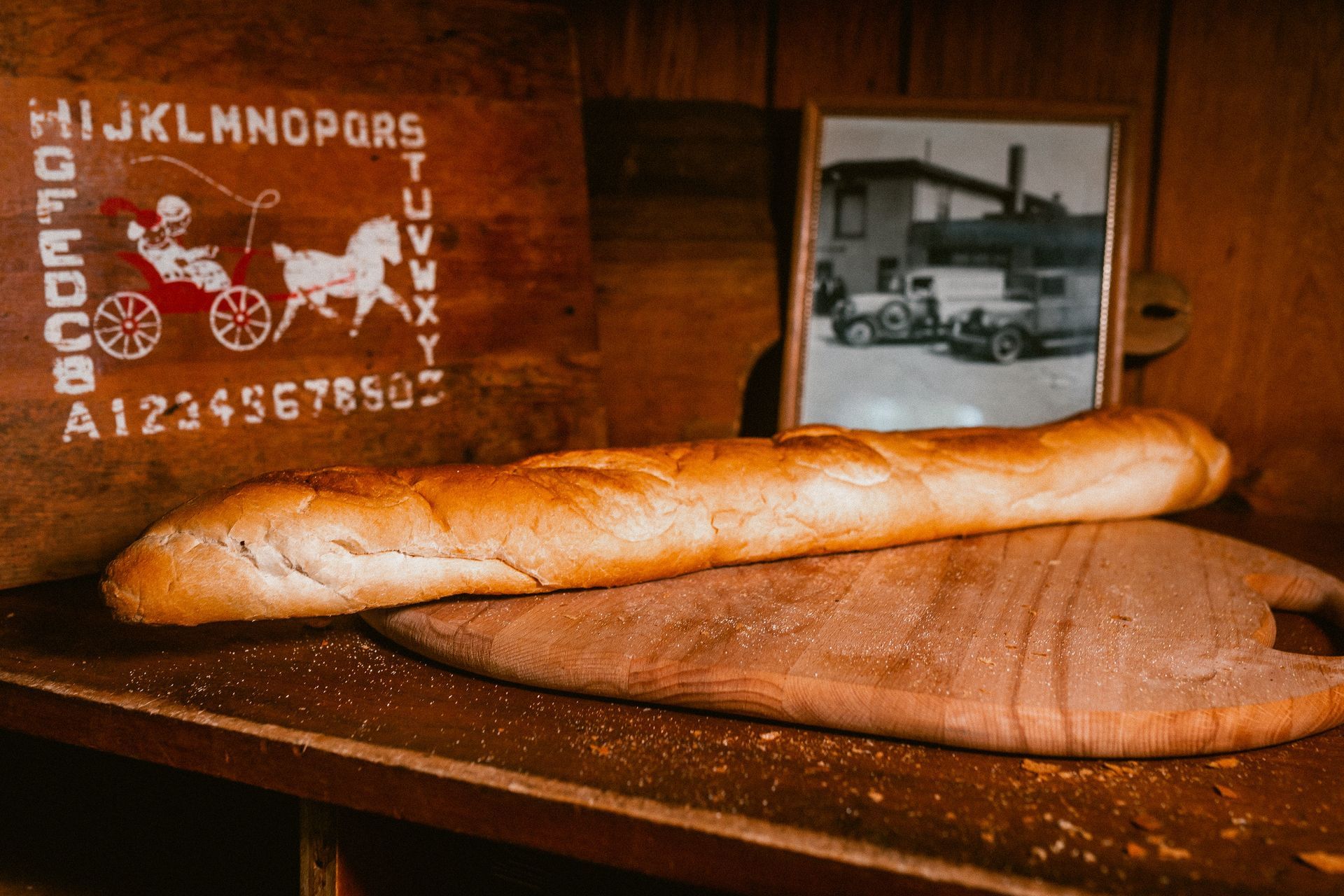
- Hearth-baked breads
- Rolls
- Sandwich breads
- Artisan breads
- Specialty loaves
These products serve both retail customers and wholesale clients, including:
- Restaurants
- Grocery markets
- Food service establishments
- Institutional kitchens
- Specialty retailers
Using premium ingredients and generations of baking experience often results in bread that delivers better flavor, texture, and overall presentation.
Personalized Customer Service Makes a Difference
One of the biggest distinctions between a family-owned bakery and a national supplier is customer support.
Large corporations typically operate through multiple departments and standardized processes. While efficient, they may have limited flexibility.
Family-owned bakeries often provide:
- Faster communication
- Personalized recommendations
- Flexible ordering options
- Responsive problem solving
- Long-term account relationships
When your business depends on dependable deliveries and consistent product quality, having direct access to knowledgeable people can be invaluable.
Greater Flexibility for Wholesale Customers
Restaurants and retailers rarely have identical needs.
A family-owned bakery is often better positioned to accommodate:
- Seasonal menu changes
- Special product requests
- Volume adjustments
- New product introductions
- Delivery scheduling needs
This adaptability helps businesses respond more effectively to customer demand while reducing unnecessary inventory challenges.
Consistency Builds Customer Loyalty
Customers notice when bread quality changes.
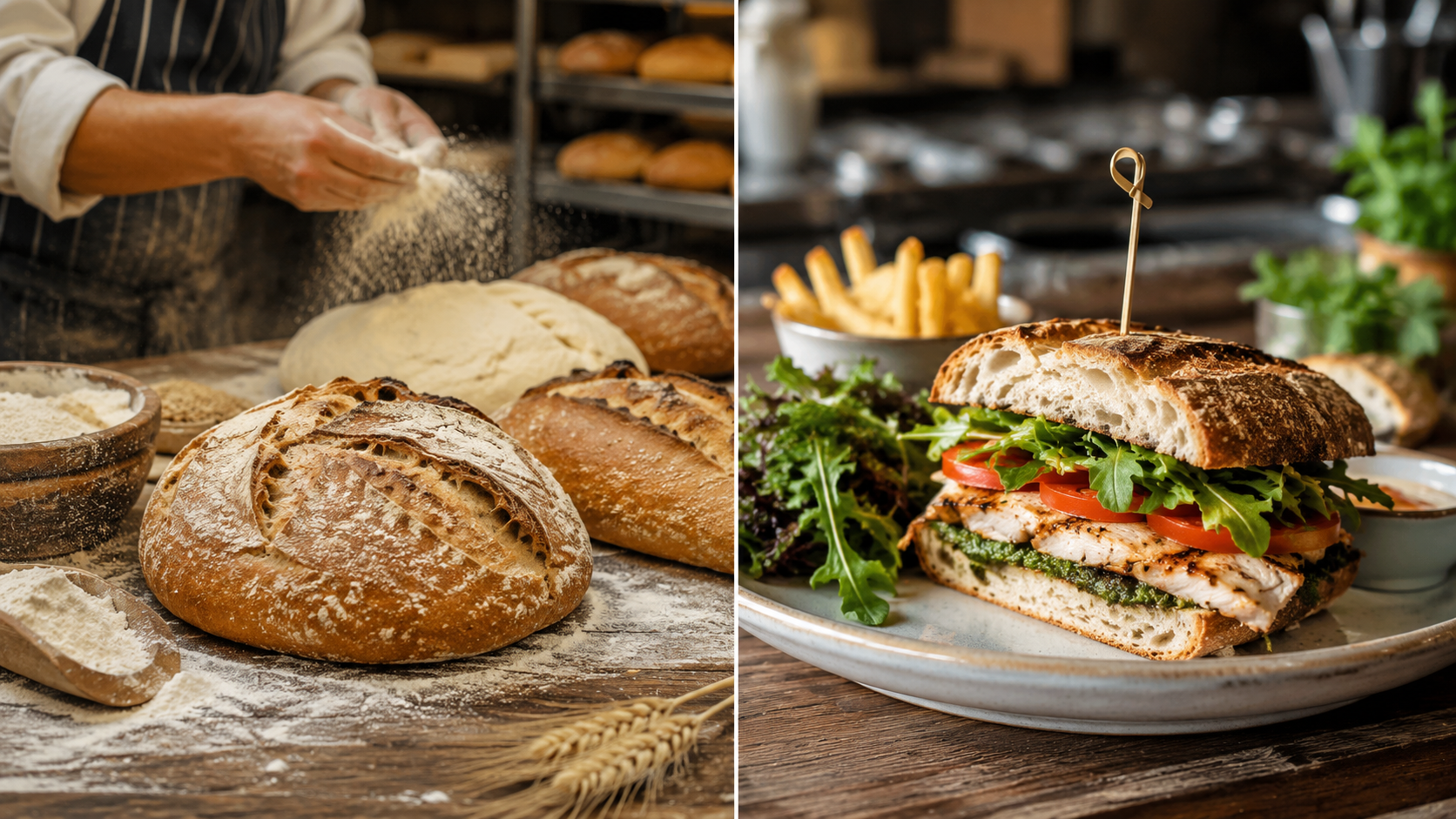
Whether serving artisan sandwiches, dinner rolls, breakfast items, or fresh bakery displays, consistency encourages repeat business.
Working with an experienced bakery that prioritizes quality control helps ensure customers enjoy the same excellent product every time they visit your business.
Supporting Local and Regional Businesses
Choosing a family-owned bakery also supports regional economic growth.
Many businesses appreciate working with suppliers that understand local markets and maintain long-standing relationships throughout the communities they serve.
Superior Baking Co supplies customers across major metropolitan markets, including:
- New York City, New York
- Philadelphia, Pennsylvania
- Boston, Massachusetts
- Newark, New Jersey
- Jersey City, New Jersey
- Pittsburgh, Pennsylvania
- Buffalo, New York
- Yonkers, New York
- Rochester, New York
- Worcester, Massachusetts
Businesses throughout these regions benefit from dependable distribution backed by more than a century of baking expertise.
Why Experience Matters
Bread production requires more than recipes.
It demands consistent ingredient sourcing, reliable production processes, food safety standards, dependable logistics, and a commitment to customer satisfaction.
An established family-owned bakery combines decades of knowledge with continuous quality improvement to help customers receive dependable products every day.
How to Choose the Right Bread Supplier
When evaluating bakery partners, consider asking:
- How long has the bakery been serving wholesale customers?
- What types of breads and baked goods do they offer?
- Can they accommodate specialty products?
- How reliable is their delivery schedule?
- What level of customer support do they provide?
- Can they grow alongside your business?
These questions can help identify a supplier that will remain a valuable partner for years to come.
Conclusion
While national brands offer broad distribution, family-owned bakeries frequently provide meaningful advantages through superior customer service, consistent craftsmanship, greater flexibility, and long-term partnerships. For businesses that value product quality and dependable relationships, choosing an experienced family-owned bakery can be a smart investment.
Contact Superior Baking Co
Looking for a trusted bakery partner that combines premium ingredients with more than a century of baking expertise?
Contact Superior Baking Co today at (508) 586-6601 to learn how our hearth-baked breads, artisan breads, sandwich breads, rolls, and specialty loaves can help your business deliver exceptional quality to every customer.
Frequently Asked Questions
Is bread from a family-owned bakery fresher than bread from a national supplier?
Many family-owned bakeries emphasize freshness through carefully managed production schedules and regional distribution, helping products reach customers quickly.
Can family-owned bakeries handle large wholesale orders?
Yes. Many established family-owned bakeries serve restaurants, grocery stores, food service providers, and retailers while maintaining consistent quality and dependable delivery.
What types of businesses benefit from wholesale bakery partnerships?
Restaurants, grocery stores, cafés, schools, hospitals, hotels, catering companies, and food service operations all benefit from reliable wholesale bread suppliers.
Are artisan breads available through wholesale bakery suppliers?
Yes. Many wholesale bakeries offer artisan breads alongside sandwich breads, rolls, hearth-baked breads, and specialty loaves to meet diverse customer needs.
Why is customer service important when choosing a bread supplier?
Responsive communication, flexible ordering, and dependable support help businesses avoid disruptions while maintaining consistent product availability and customer satisfaction.