Is Fresh or Frozen Better to Use for Catering? Here's What You Need to Know
Choosing between fresh and frozen baked goods for catering can impact quality, consistency, cost, and customer satisfaction. Understanding the strengths of each option helps caterers, restaurants, and food service professionals make the best decision for their events and daily operations.
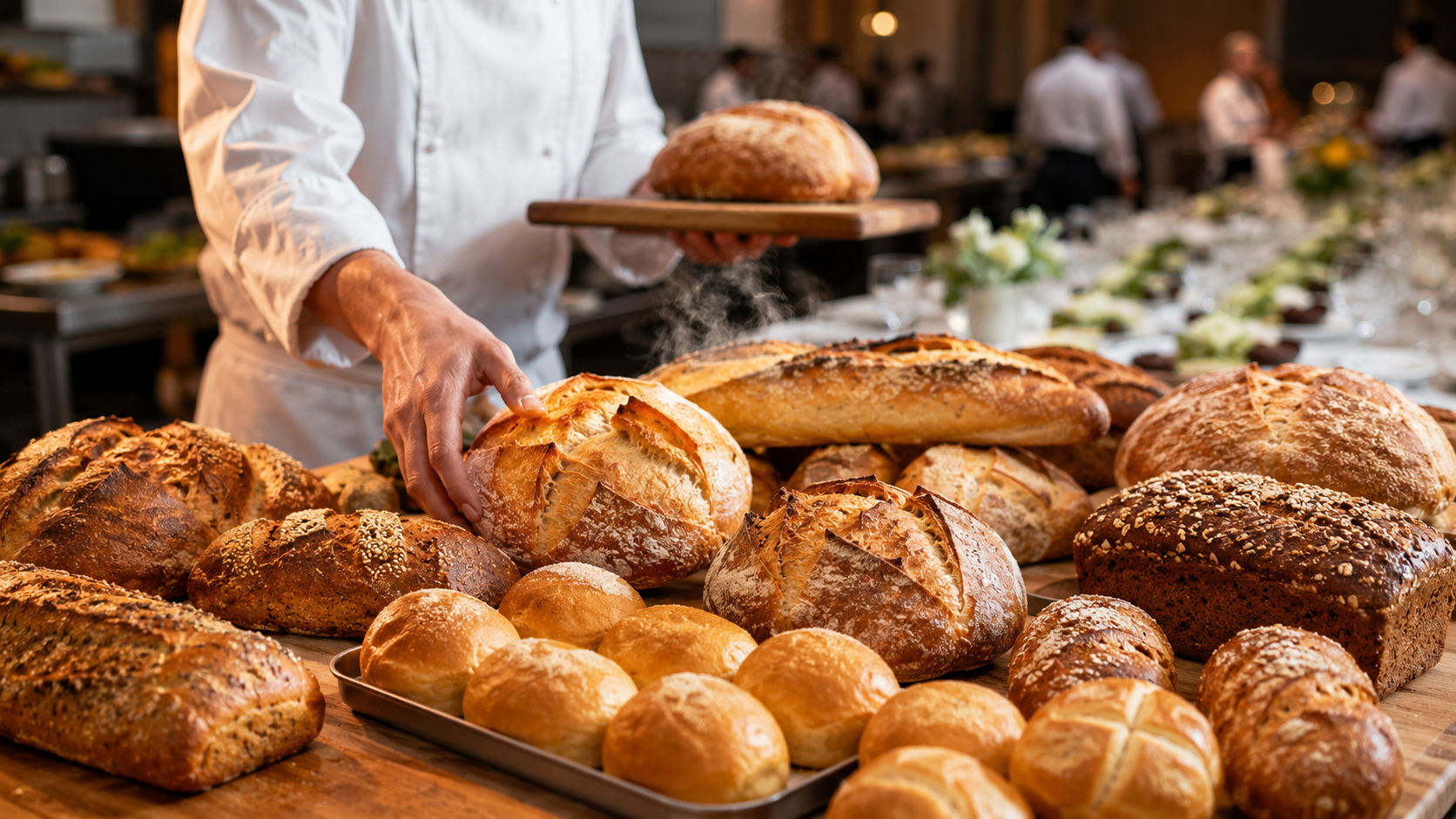
Fresh baked goods are often preferred for catering because they deliver superior taste, texture, aroma, and presentation, helping create a better guest experience; however, frozen products can offer convenience and extended shelf life when managed properly, making the right choice dependent on your catering needs, service volume, and quality expectations.
When planning catered events, one of the most common questions food service professionals ask is whether fresh or frozen baked goods are the better option. While both have their place in commercial food operations, understanding the advantages and limitations of each can help caterers provide the best possible experience for their clients.
For businesses focused on quality, consistency, and customer satisfaction, fresh baked products often provide a significant advantage. However, frozen options may be useful in specific situations where storage flexibility and inventory management are priorities.
Why Fresh Baked Goods Are Often the Preferred Choice
Fresh baked products deliver several benefits that are difficult to replicate with frozen alternatives.
Better Taste and Aroma
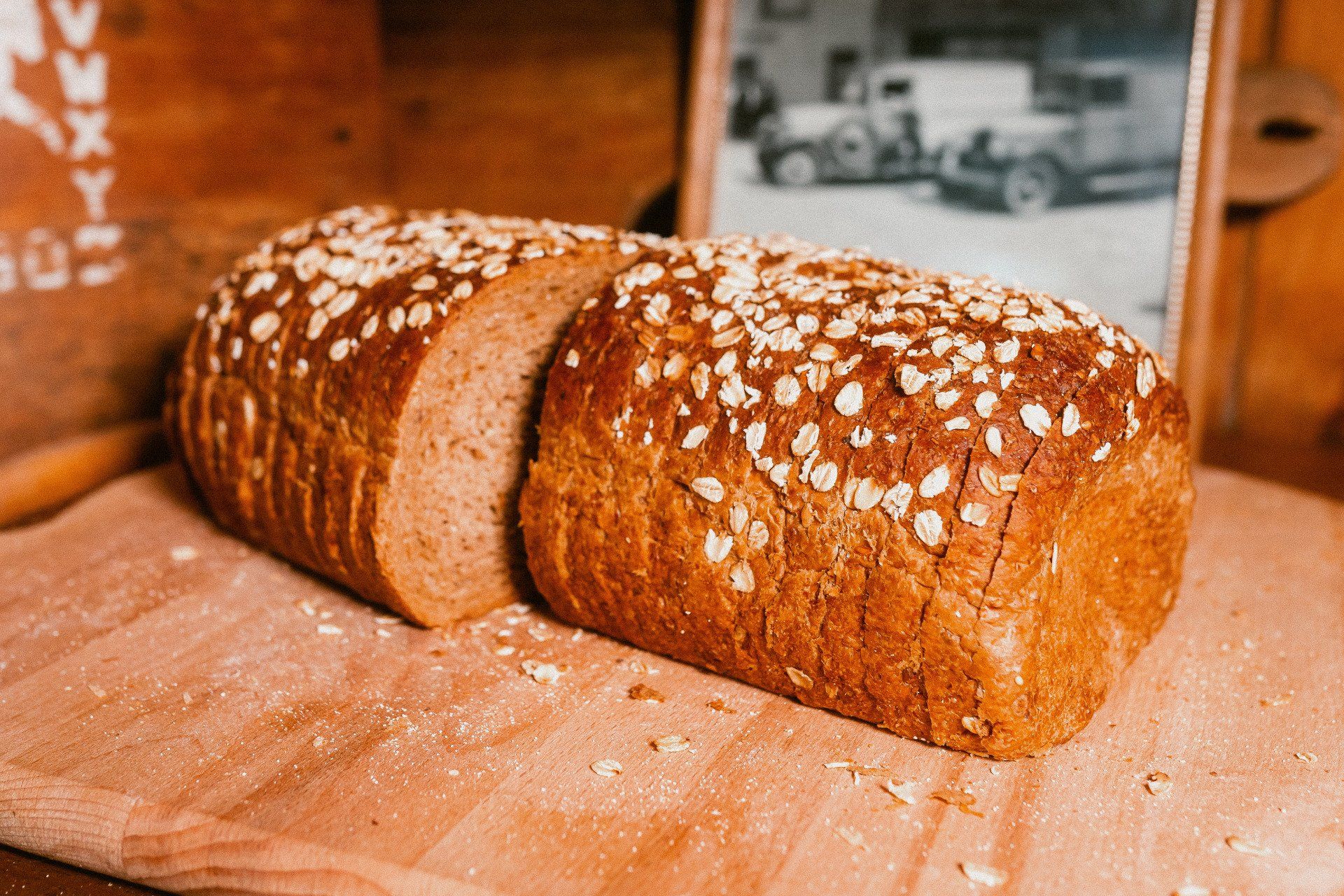
One of the most noticeable advantages of fresh bread and baked goods is flavor. Freshly baked products retain their natural aromas and textures, creating a more enjoyable eating experience for guests.
Benefits include:
- Crisp crusts and soft interiors
- Rich, authentic flavor profiles
- Enhanced aroma that improves presentation and appeal
- Better overall dining experience
For catered events where food quality directly impacts guest impressions, freshness can make a meaningful difference.
Superior Texture and Appearance
Fresh breads, rolls, and specialty loaves typically maintain a texture that customers expect from premium baked goods.
Examples include:
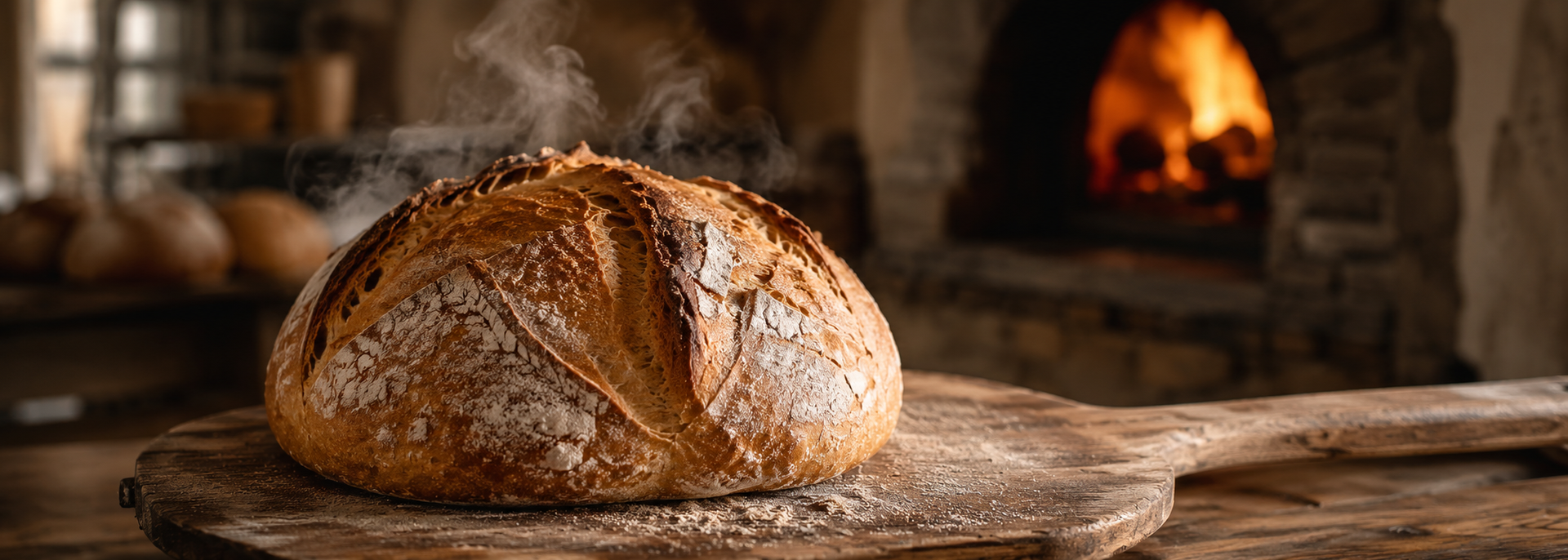
- Hearth-baked breads with crisp crusts
- Artisan breads with open crumb structures
- Soft sandwich breads with ideal consistency
- Dinner rolls with fresh-baked tenderness
These characteristics help elevate catered meals and buffet presentations.
Stronger Brand Perception
Whether serving a wedding, corporate luncheon, restaurant event, or banquet, guests often associate fresh products with higher quality and greater attention to detail.
Fresh bakery items can help caterers:
- Enhance menu presentation
- Improve customer satisfaction
- Support premium pricing
- Encourage repeat business and referrals
When Frozen Products May Be Useful
Frozen baked goods can provide advantages in certain operational environments.
Longer Shelf Life
Frozen products allow businesses to store inventory for extended periods, helping reduce waste in situations where demand is unpredictable.
Inventory Flexibility
Food service operations with fluctuating order volumes may benefit from having frozen inventory available as backup stock.
Labor and Production Management
Some frozen products require less preparation time, which may help facilities manage staffing challenges during peak periods.
However, these benefits often come with trade-offs in flavor, texture, and overall product quality.
Key Factors Caterers Should Consider
When deciding between fresh and frozen products, evaluate the following:
Event Type
High-end events often benefit from fresh baked goods because guests tend to notice quality differences.
Storage Capacity
Available refrigeration and freezer space may influence purchasing decisions.
Service Expectations
Clients seeking premium catering experiences generally expect fresh ingredients whenever possible.
Product Category
Some baked goods maintain quality better when frozen than others. Artisan breads and specialty loaves often showcase the greatest quality difference when served fresh.
Why Many Food Service Professionals Choose Fresh Bakery Partners
Reliable bakery partners can provide fresh products while helping food service businesses maintain consistency and operational efficiency.
Working with an experienced commercial bakery offers:
- Consistent product quality
- Reliable delivery schedules
- Broad product selection
- Custom solutions for restaurants and food service providers
- Fresh production standards
For businesses that prioritize customer experience, partnering with a trusted bakery often delivers long-term value.
Fresh Baked Solutions from Superior Baking Co
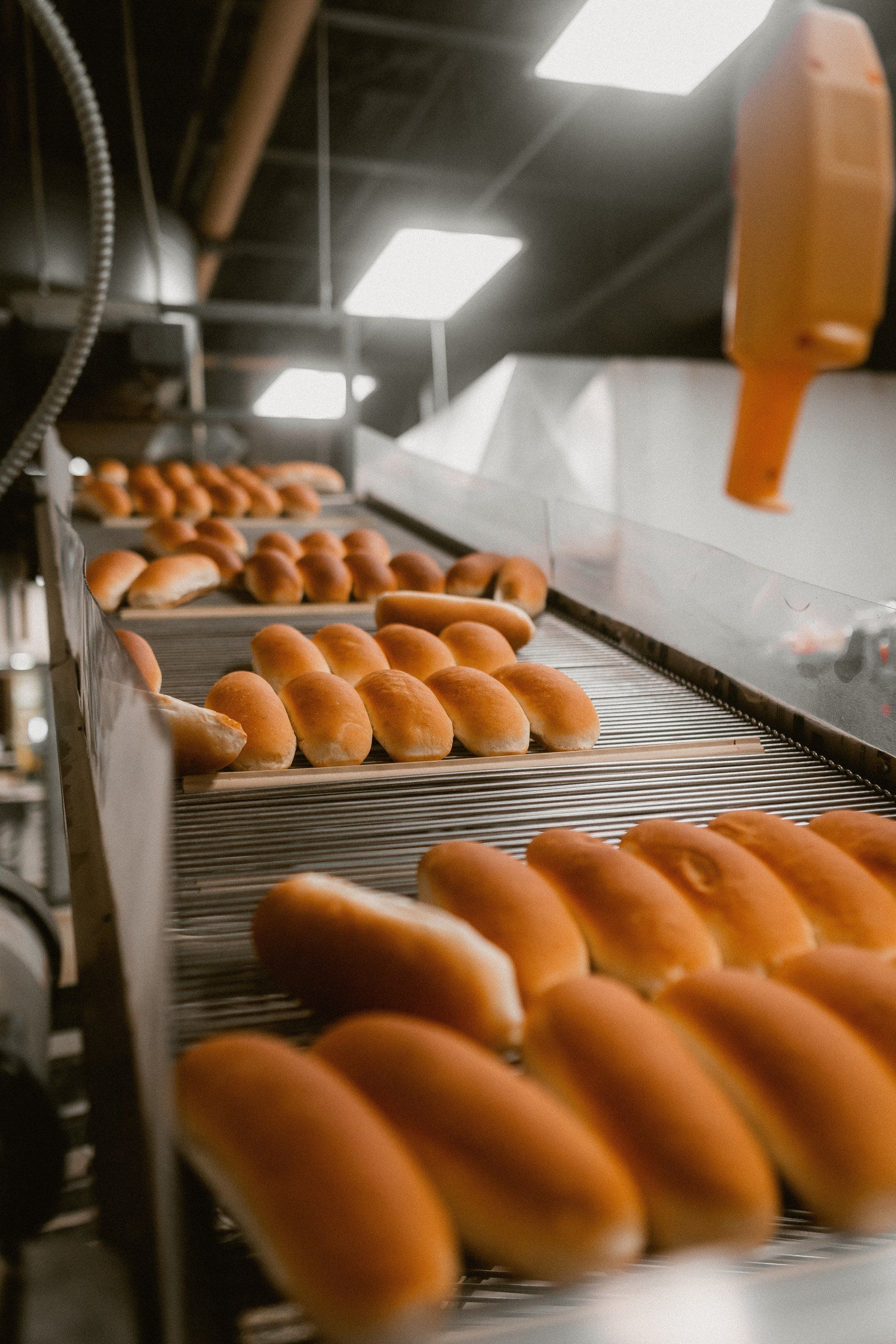
Superior Baking Co produces a wide range of high-quality baked goods, including hearth-baked breads, rolls, sandwich breads, artisan breads, and specialty loaves for retail customers and wholesale clients, including restaurants, markets, caterers, and food service establishments.
With more than a century of baking expertise and a commitment to premium ingredients, Superior Baking Co helps businesses deliver exceptional quality while maintaining consistency across every order.
Serving Major Markets Throughout the Northeast
Superior Baking Co proudly serves businesses throughout:
- New York City, New York
- Philadelphia, Pennsylvania
- Boston, Massachusetts
- Newark, New Jersey
- Jersey City, New Jersey
- Pittsburgh, Pennsylvania
- Buffalo, New York
- Yonkers, New York
- Rochester, New York
- Worcester, Massachusetts
Businesses across these markets rely on dependable bakery products that support restaurants, catering operations, retail markets, and food service providers seeking premium baked goods.
How to Choose the Right Option for Your Catering Operation
When quality, presentation, and guest satisfaction are top priorities, fresh baked goods are often the preferred choice. While frozen products can provide convenience and inventory flexibility, fresh breads and rolls generally offer superior taste, texture, and overall customer appeal.
Evaluating your service model, event expectations, and operational requirements can help determine the best fit for your business.
Conclusion
Both fresh and frozen baked goods can serve a purpose in catering, but fresh products consistently stand out when quality matters most. Their superior flavor, texture, aroma, and presentation make them a popular choice for caterers, restaurants, and food service professionals who want to create memorable dining experiences.
By partnering with an experienced bakery provider, businesses can enjoy the benefits of fresh baked products while maintaining reliability and consistency across every order.
Contact Superior Baking Co
Looking for premium fresh baked breads, rolls, artisan loaves, and specialty bakery products for your restaurant, catering company, market, or food service operation?
Contact Superior Baking Co today at (508) 586-6601 to learn how our fresh bakery solutions can support your business.
Frequently Asked Questions
Is fresh bread better than frozen bread for catering?
In many cases, yes. Fresh bread typically offers better flavor, texture, aroma, and presentation, making it ideal for catered events and premium dining experiences.
Do frozen baked goods save money?
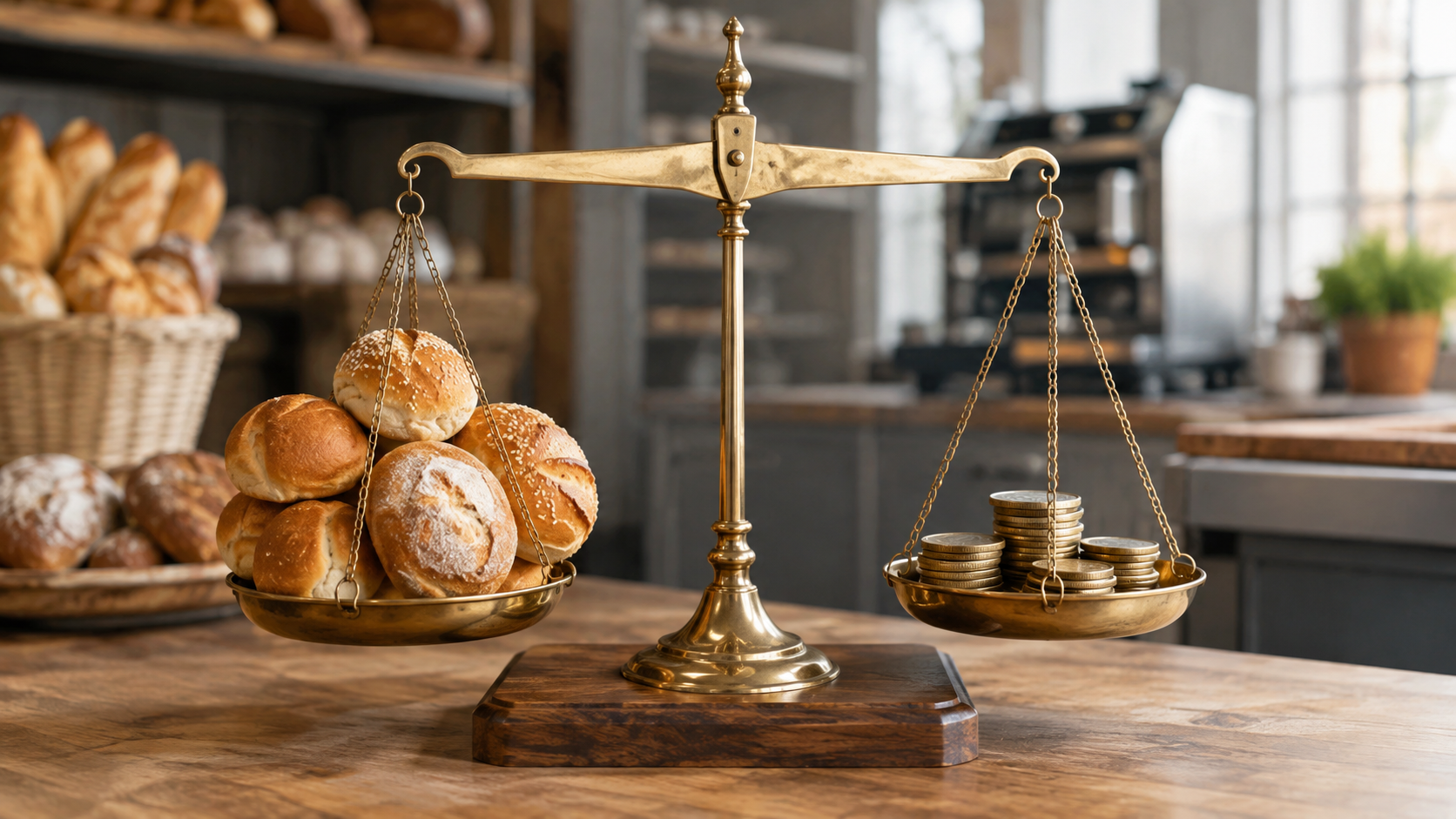
Frozen products can reduce waste and simplify inventory management, but fresh products may provide greater value through improved customer satisfaction and repeat business.
What types of breads are best served fresh?
Hearth-baked breads, artisan breads, sandwich breads, rolls, and specialty loaves often perform best when served fresh.
Why do restaurants choose fresh bakery suppliers?
Restaurants often prefer fresh bakery suppliers because they provide consistent quality, reliable deliveries, and products that enhance guest experiences.
Does Superior Baking Co serve wholesale customers?
Yes. Superior Baking Co supplies retail customers as well as wholesale clients, including restaurants, markets, caterers, and food service establishments.