What Are Typical Minimum Order Quantities for Wholesale Baked Goods? Here’s What to Expect and Plan For

Mike Matook • May 5, 2026

If you are sourcing baked goods for a restaurant, market, or food service operation, understanding minimum order quantities helps you control costs, reduce waste, and build a smoother supplier relationship.
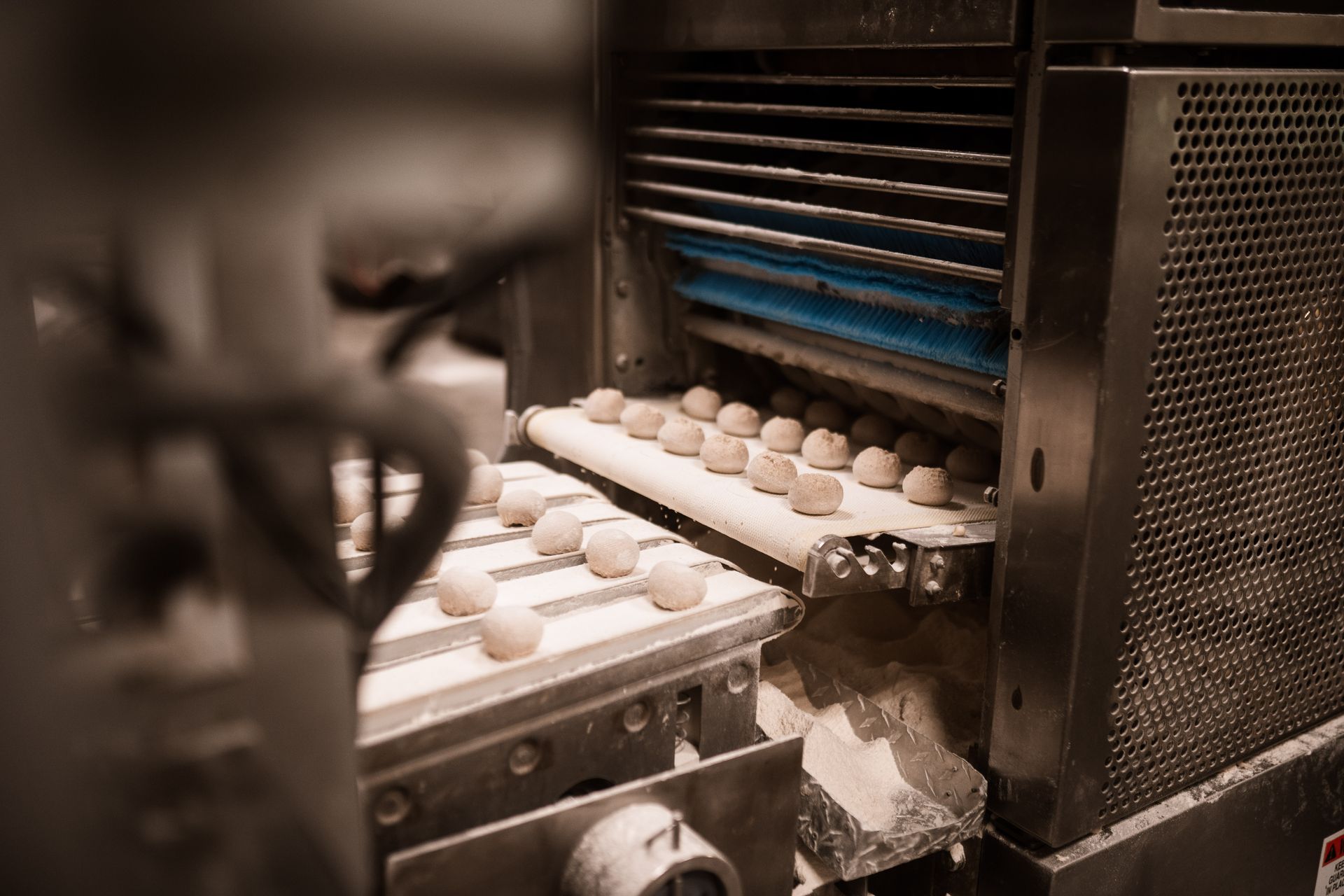
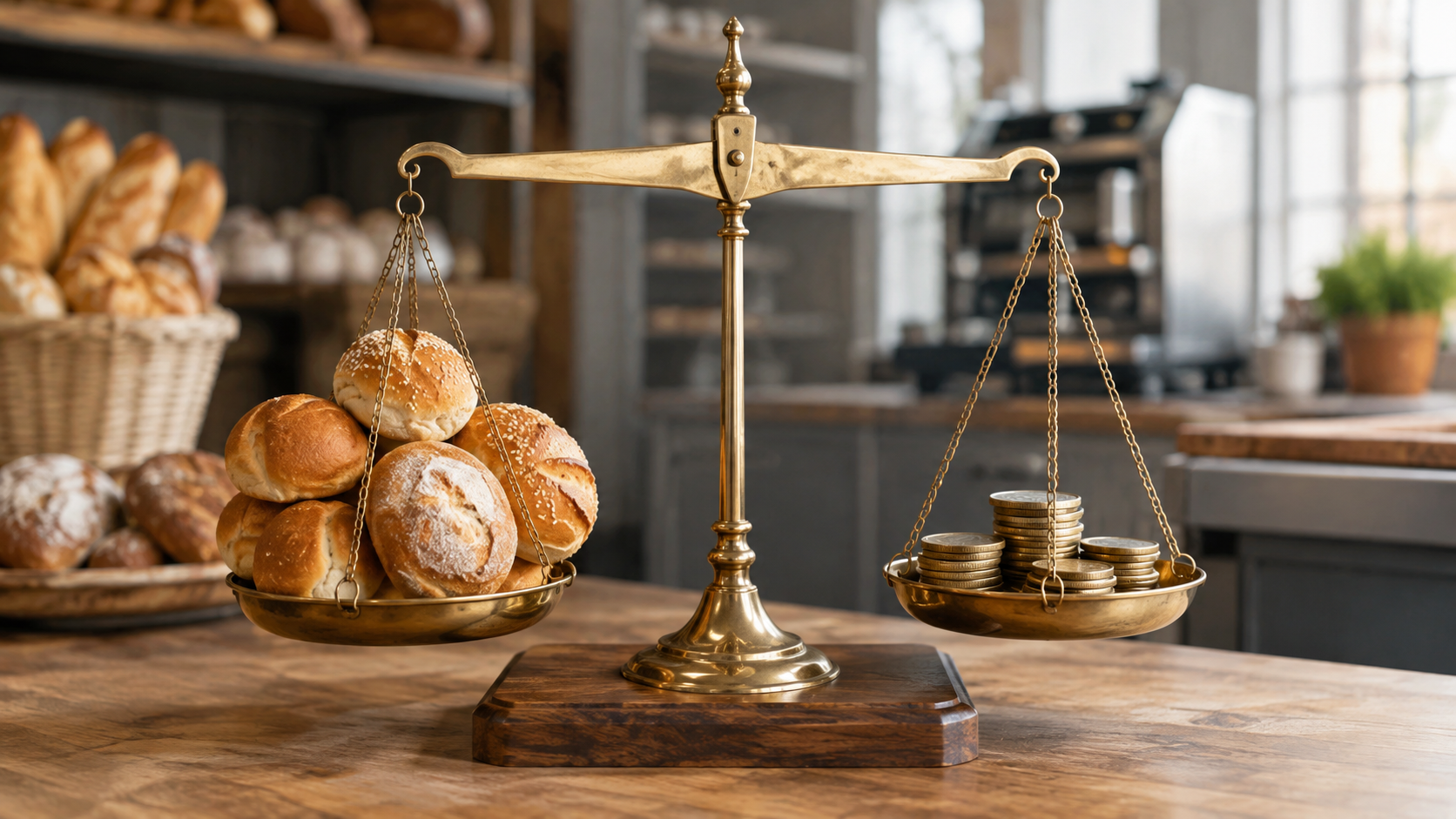
Typical minimum order quantities (MOQs) for wholesale baked goods usually range from small case-based orders of 2 to 5 dozen items for local bakeries, up to larger volume commitments for specialty or artisan products, depending on the supplier, delivery logistics, and customization requirements.


In simple terms, MOQs are set to ensure production efficiency and delivery profitability. Smaller operations often offer flexible minimums, while larger wholesale bakeries may require higher volumes or consistent recurring orders.


Why Do Wholesale Bakeries Have Minimum Order Quantities?

Minimum order quantities are not arbitrary. They are designed to balance quality, efficiency, and cost.

Here is why they matter:

  • Production efficiency: Baking in batches reduces labor and ingredient waste
  • Delivery logistics: Fuel and time costs require a minimum viable order size
  • Ingredient sourcing: Bulk purchasing supports consistent quality
  • Freshness standards: Orders are timed and sized to maintain peak freshness


For buyers, understanding this helps you negotiate smarter and plan inventory more effectively.


Typical MOQ Ranges by Product Type

Minimums can vary depending on the type of baked goods you are ordering.


Standard Bread and Rolls

  • Often sold by the case
  • Typical MOQ: 2 to 10 cases per order
  • Common for sandwich breads and dinner rolls


Artisan and Hearth-Baked Breads

  • Smaller batch production
  • Typical MOQ: 12 to 48 loaves per variety
  • May require advance ordering


Specialty Loaves and Custom Items

  • Includes seasonal or unique recipes
  • Typical MOQ: higher minimums or pre-scheduled runs
  • Sometimes requires standing orders


Mixed Orders

  • Many bakeries allow combined product minimums
  • Example: A total dollar minimum instead of per-item quantity


What Affects Minimum Order Quantities?

MOQs are flexible depending on several real-world factors:

  • Delivery distance: Longer routes often require higher minimums
  • Order frequency: Weekly standing orders may reduce minimums
  • Product customization: Unique recipes or packaging increase minimums
  • Supplier size: Larger bakeries often have stricter thresholds
  • Seasonality: Demand spikes can temporarily increase MOQs


How to Work With MOQs Strategically

If you are concerned about meeting minimums, there are practical ways to manage them:

  • Combine multiple product types into one order
  • Coordinate with other businesses to share deliveries
  • Set up recurring orders for better pricing and flexibility
  • Focus on high-turnover items to avoid waste
  • Ask about partial deliveries or split schedules


Wholesale Baking Solutions for Your Business

Superior Baking Co produces a wide range of high-quality baked goods, including:

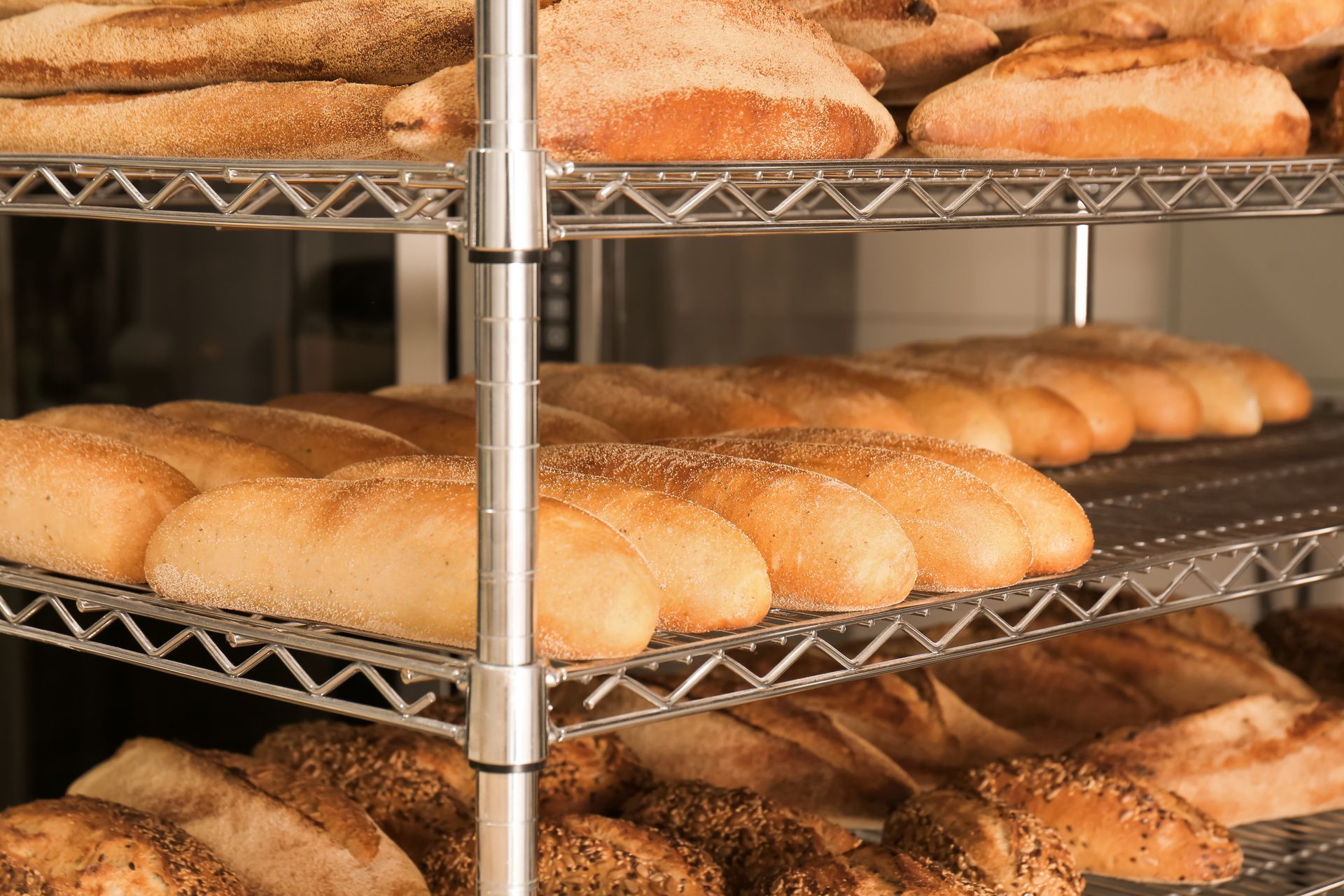
  • Hearth-baked breads
  • Rolls
  • Sandwich breads
  • Artisan breads
  • Specialty loaves


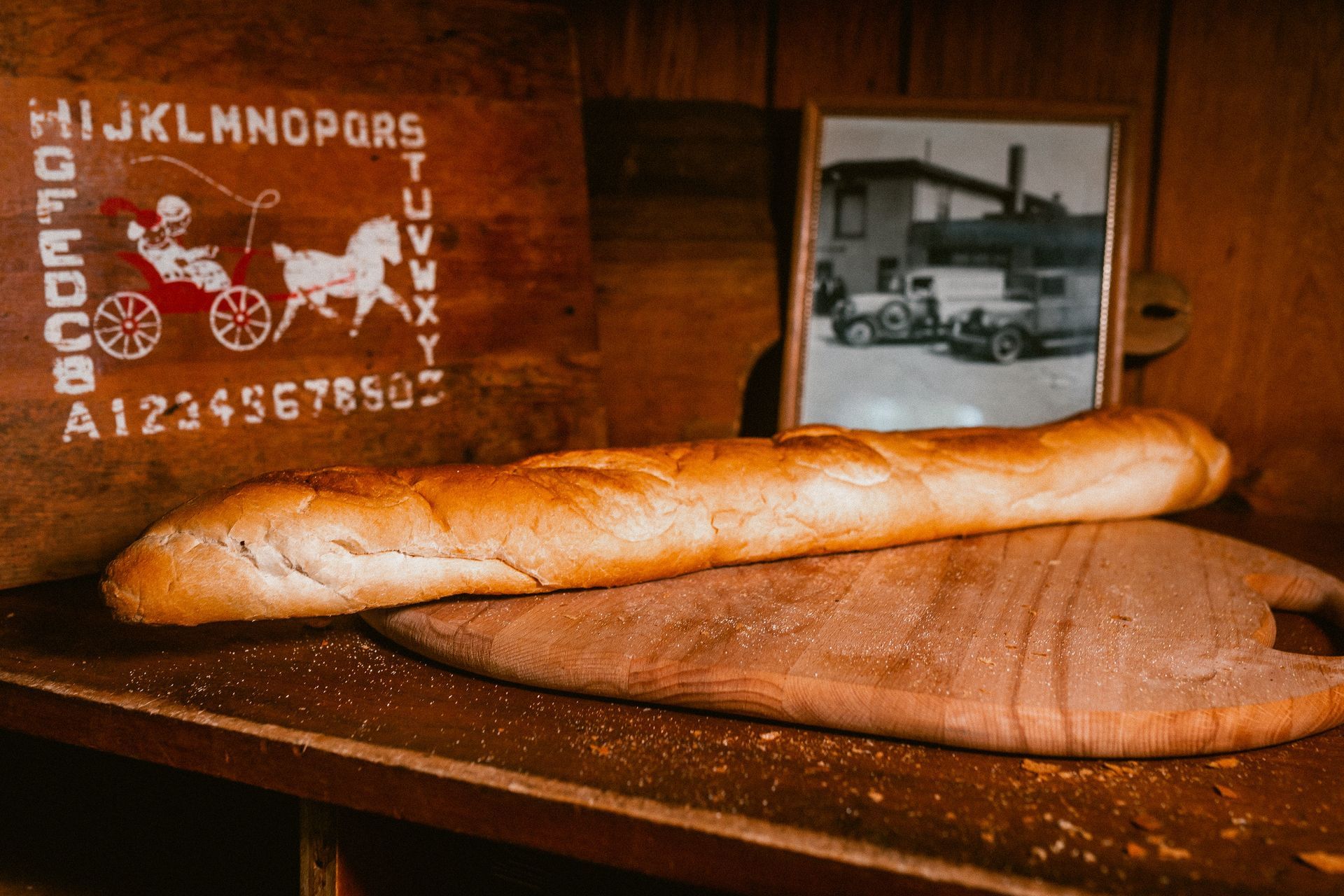
They serve both retail customers and wholesale clients such as restaurants, markets, and food service establishments, combining premium ingredients with over a century of baking expertise.


Serving Major Northeast Markets

Businesses across the Northeast rely on consistent, high-quality wholesale baking partners. Service areas include:

  • New York City, New York
  • Philadelphia, Pennsylvania
  • Boston, Massachusetts
  • Newark, New Jersey
  • Jersey City, New Jersey
  • Pittsburgh, Pennsylvania
  • Buffalo, New York
  • Yonkers, New York
  • Rochester, New York
  • Worcester, Massachusetts


These regions benefit from reliable delivery routes and access to fresh, professionally crafted baked goods.


How to Choose the Right Wholesale Bakery Partner

When evaluating a supplier, look beyond just MOQs:

  • Consistency in product quality
  • Reliable delivery schedules
  • Flexibility with order sizes
  • Clear communication and support
  • Ability to scale with your business


A good partner will help you grow, not just fulfill orders.


Ready to streamline your wholesale baked goods supply?

Contact Superior Baking Co at (508) 586-6601 to discuss your needs, explore product options, and find the right order structure for your business.


Frequently Asked Questions


Q: What is a typical minimum order for a small restaurant?

A: Most small restaurants can expect minimums of 2 to 5 cases or a set dollar amount, depending on the bakery and delivery distance.


Q: Can minimum order quantities be negotiated?

A: Yes, especially if you commit to recurring orders or are located along an existing delivery route.


Q: Do all baked goods have the same MOQ?

A: No. Standard items like rolls usually have lower minimums than artisan or specialty breads.


Q: How can I meet minimums without over-ordering?

A: Focus on best-selling items, combine product types, or coordinate with nearby businesses to share orders.


Q: Are MOQs higher for custom or branded products?

A: Yes. Customization typically requires larger batch production, which increases the minimum order requirement.
By Mike Matook May 20, 2026
Learn why restaurants choose bakeries that use premium or locally sourced ingredients for fresher flavor, consistency, and customer satisfaction.
By Mike Matook April 24, 2026
Discover clean-label and preservative-free wholesale bread options for restaurants, markets, and food service businesses across the Northeast.
By Mike Matook April 8, 2026
The average shelf life of freshly baked bread in food service distribution is typically 2 to 5 days at room temperature, depending on ingredients, storage conditions, and packaging, though this can extend up to 7 to 10 days with proper handling or preservatives and even longer when frozen. Fresh bread is a high-demand staple, but its freshness window is relatively short. For restaurants, markets, and distributors, knowing how to manage shelf life effectively can make a major difference in product quality and profitability. Below is a practical breakdown of what impacts bread longevity and how to maximize it. What Determines the Shelf Life of Fresh Bread? Several factors influence how long bread stays fresh in a food service environment: Ingredients and Formulation Artisan breads with minimal preservatives typically last 2 to 3 days Commercial sandwich breads may last 5 to 7 days due to added preservatives Enriched breads with fats or sugars tend to retain moisture longer Packaging Methods Paper bags allow airflow but shorten shelf life Plastic packaging helps retain moisture and extend freshness Modified atmosphere packaging can significantly prolong shelf life for distribution Storage Conditions Room temperature (ideal for short-term use): 2 to 5 days Refrigeration (not always recommended): can dry bread faster Freezing: extends shelf life up to 3 months without major quality loss Typical Shelf Life by Bread Type Hearth-Baked and Artisan Breads Shelf life: 2 to 3 days Best for: restaurants prioritizing flavor and crust quality Sandwich Breads and Rolls Shelf life: 4 to 7 days Best for: high-volume food service operations Specialty Loaves Shelf life: varies based on ingredients Items with seeds, grains, or inclusions may have slightly longer or shorter windows Best Practices for Food Service Distribution To maximize freshness and reduce waste, follow these proven strategies: 1. Optimize Delivery Schedules Frequent deliveries ensure consistent freshness Smaller batch distribution reduces spoilage risk 2. Use Proper Storage Techniques Store bread in cool, dry areas away from direct sunlight Avoid refrigeration unless necessary for specific products 3. Freeze Strategically Freeze excess inventory immediately Thaw as needed to maintain product quality 4. Train Staff on Handling Avoid squeezing or compressing loaves Rotate stock using FIFO, first in, first out Why Shelf Life Matters in Food Service Understanding bread shelf life is not just about freshness, it directly impacts: Customer experience: stale bread can damage brand perception Food costs: poor management leads to unnecessary waste Operational efficiency: better forecasting improves inventory control For restaurants and markets, consistent quality builds trust and repeat business. Local Distribution Expertise Matters For businesses across New York City, New York; Philadelphia, Pennsylvania; Boston, Massachusetts; Newark, New Jersey; Jersey City, New Jersey; Pittsburgh, Pennsylvania; Buffalo, New York; Yonkers, New York; Rochester, New York; and Worcester, Massachusetts, working with a reliable regional bakery partner ensures fresher deliveries and better shelf life outcomes. Superior Baking Co produces a wide range of high-quality baked goods, including: Hearth-baked breads Rolls Sandwich breads Artisan breads Specialty loaves Serving both retail and wholesale clients such as restaurants, markets, and food service establishments, they combine premium ingredients with over a century of baking expertise to deliver consistent quality across the region. If you are looking for dependable, high-quality bread with optimized freshness for your operation, now is the time to partner with a trusted bakery. Contact Superior Baking Co at (508) 586-6601 to learn how their fresh baked goods can support your food service needs and improve your product consistency. Here Are Some Other Questions that we are Frequently Asked: Q: How can I extend the shelf life of fresh bread without preservatives? A: Use proper packaging, store at room temperature in a dry environment, and freeze any excess inventory early. Q: Is refrigeration a good option for bread storage? A: Not usually. Refrigeration can cause bread to stale faster due to moisture loss. Q: What is the best way to store bread in a restaurant? A: Keep it in a cool, dry area in breathable or sealed packaging depending on the bread type, and rotate stock daily. Q: Can frozen bread maintain quality for food service use? A: Yes. When frozen properly and thawed correctly, bread can retain most of its taste and texture. Q: How often should food service businesses restock bread? A: Most operations benefit from deliveries 2 to 4 times per week to maintain optimal freshness.
Bakers in a professional kitchen prepare trays of dough, one moving a tall rack filled with bread while another works.
By Mike Matook March 24, 2026
Discover the best bread options for high-volume sandwich programs. Learn how to choose reliable, consistent products for your food service needs.
Three golden-brown dinner rolls sprinkled with herbs sit on a brown paper surface next to a wicker basket.
By Mike Matook March 4, 2026
Learn the difference between artisan and traditional sandwich bread in wholesale baking. Choose the right option for your menu and customer demand.
A bakery worker operates machinery in a factory, with Canadian and U.S. flags and a U.S. expansion sign shown.
By Mike Matook February 19, 2026
Planning U.S. expansion? Learn key factors Canadian food brands should consider for manufacturing, logistics, and growth before scaling operations.
Assorted breads, croissants, two eggs, and flour on burlap fabric.
By Mike Matook February 6, 2026
Explore the most popular rolls and sandwich breads used in food service. Find the right options to meet demand and deliver consistent quality.
The hands of a baker knead a mound of dough to make bread.
February 3, 2026
Choosing a wholesale bakery in Brockton, MA? Learn key factors like quality, consistency, and service to find the right partner for your business needs.
A hot, fresh bowl of soup surrounded by fresh baked bread and rolls.
By Mike Matook January 23, 2026
Discover the best types of bread for restaurants to serve with soups, sandwiches, and entrées. Learn how quality bread improves menus and guest satisfaction.
By Mike Matook January 9, 2026
To choose the right wholesale bread supplier, you must prioritize consistent product quality, delivery reliability, and a diverse product range that fits your menu. Focus on suppliers with established safety certifications, transparent ordering processes, and a proven track record of on-time deliveries to ensure your kitchen or market remains fully stocked and your customers stay satisfied. That is the short answer. While price is always a factor, the cheapest option often leads to hidden costs like late deliveries or stale products that drive customers away. Finding a partner who balances craftsmanship with industrial-scale reliability is the key to a successful long-term relationship. Core Evaluation Criteria When comparing providers, you should look for specific markers of professional excellence. For many businesses, the first thing to check is quality and freshness. Wholesale bread should be baked to order using premium ingredients without excessive preservatives. Ask potential suppliers about their "bake-to-ship" window to ensure you are receiving the freshest possible product. Reliability is the second pillar. A missed delivery at 6:00 AM can ruin a lunch rush. Here’s what that means in practice: Delivery Frequency: Do they deliver daily or only on specific days? Logistics: Do they own their own fleet, or do they use a third-party service? Emergency Orders: Can they handle a last-minute request if you have an unexpected surge in business? Range and Customization Your menu needs may change seasonally, so a supplier with a broad catalog is a significant asset. A high-quality partner should offer a wide variety of hearth-baked breads, including: Artisan Loaves: Sourdough, baguettes, and ciabatta for high-end service. Sandwich Basics: Consistent white, wheat, and multigrain loaves. Specialty Rolls: Brioche buns, hoagie rolls, and dinner rolls. This matters because managing multiple vendors is inefficient. Look for a "one-stop" bakery that can cover everything from your morning rolls to your specialty sandwich breads. Potential Limitations and Exceptions It is important to note that the "best" supplier depends heavily on your volume. Large industrial bakeries may offer the lowest prices but often have high Minimum Order Quantities (MOQs) that small cafes cannot meet. Conversely, small local artisan bakers might provide superior flavor but may lack the delivery infrastructure to service a multi-location restaurant group. Always clarify these constraints before signing a contract. For businesses in the Northeast seeking a partner with over a century of baking expertise, Superior Baking Co produces a wide range of high-quality baked goods. We specialize in hearth-baked breads, rolls, sandwich breads, artisan breads, and specialty loaves. Our team serves restaurants, markets, and food service establishments throughout the region, including: New York: New York City, Buffalo, Yonkers, and Rochester. Massachusetts: Boston, Worcester, and the surrounding areas. Pennsylvania: Philadelphia and Pittsburgh. New Jersey: Newark and Jersey City. If you are looking to elevate your bread service with premium ingredients and reliable delivery, we invite you to contact Superior Baking Co at (508) 586-6601 to discuss your wholesale needs. Here Are Some Other Frequently Asked Questions That We're Often Asked: Q: How can I test the quality of a wholesale supplier? A: Most reputable suppliers will provide samples of their core products. Request a "test delivery" to see how the bread arrives, its texture after four hours, and how it performs in your specific kitchen equipment. Q: What are the typical payment terms for wholesale bread? A: Terms vary, but many suppliers offer Net-15 or Net-30 arrangements for established businesses. Some may require a credit card on file or COD (Cash on Delivery) for the first few weeks of a new partnership. Q: Do wholesale bakeries offer gluten-free or vegan options? A: Many modern wholesale bakeries now offer specialty lines, but these often require separate storage or handling. Always ask about cross-contamination protocols if you serve customers with strict dietary needs. Editorial Note: This information is based on general food service industry best practices and documentation from professional culinary organizations. Specific service availability and pricing vary by provider and region.