What Is the Difference Between Wholesale and Retail Bread? Here's What You Need to Know
Understanding the difference between wholesale and retail bread can help restaurants, grocery stores, food service businesses, and everyday shoppers make informed purchasing decisions. Discover how Superior Baking Co. serves both wholesale clients and retail customers with high-quality baked goods backed by over a century of baking expertise.
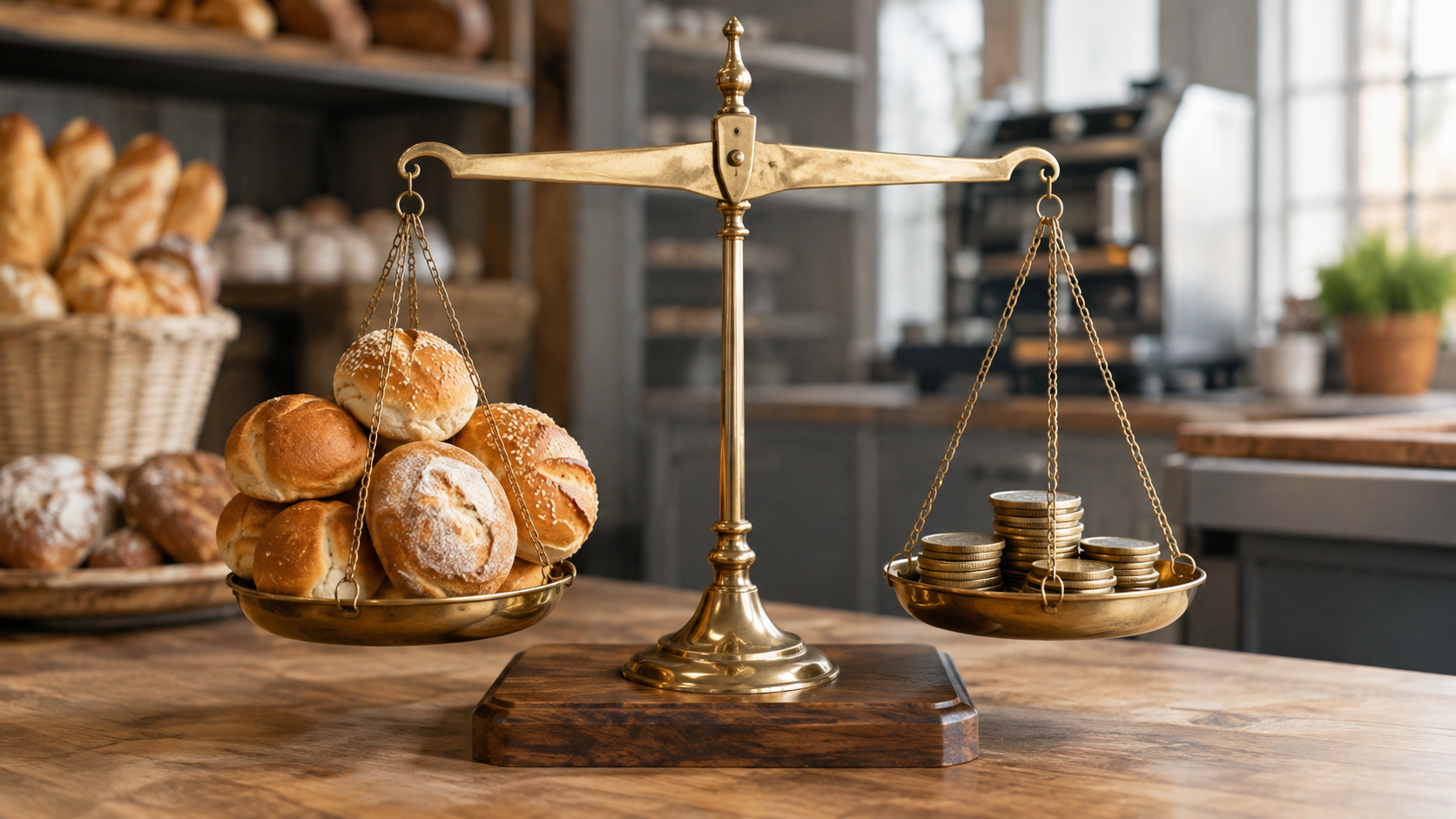
The main difference between wholesale and retail bread is how the products are sold, who buys them, and the quantities involved.
Wholesale bread is typically purchased in larger quantities by businesses such as restaurants, grocery stores, and food service providers, often at lower per-unit prices. Retail bread is sold directly to consumers in smaller quantities, usually through grocery stores, bakeries, and other retail outlets.
Both purchasing options provide access to quality baked goods, but the best choice depends on the buyer's needs, order volume, and intended use.
What Is Wholesale Bread?
Wholesale bread is bread sold in bulk to businesses that need a consistent supply of baked goods for resale or food service. Rather than purchasing individual loaves, wholesale customers typically order larger quantities to support their daily operations.
Wholesale bread suppliers help businesses maintain reliable inventory while providing products suitable for a variety of menus, shelves, and food service applications.
Who Buys Wholesale Bread?
Wholesale bread is commonly purchased by:
- Restaurants and cafes: For sandwiches, toast, burgers, and other menu items.
- Grocery stores and markets: To stock bread products for customers.
- Catering companies: To supply events, corporate functions, and large gatherings.
- Food service establishments: Including institutions and other commercial kitchens.
- Hospitality businesses: Such as hotels and dining facilities that serve bread regularly.
For these businesses, dependable product quality and a consistent supply are important considerations when selecting a wholesale bread supplier.
What Types of Bread Are Available Wholesale?
Wholesale bread offerings can include a broad selection of baked goods, depending on the supplier and business requirements.
Superior Baking Co. produces a range of products for wholesale clients, including:
- Hearth-baked breads
- Sandwich breads
- Rolls
- Artisan breads
- Specialty loaves
These products can serve different purposes, from preparing sandwiches in a restaurant to stocking bread selections in a retail market.
What Is Retail Bread?
Retail bread is bread sold directly to individual consumers, typically in smaller quantities for personal or household use.
Customers can purchase retail bread from grocery stores, neighborhood markets, bakeries, and other outlets that sell packaged or freshly baked goods.
Who Buys Retail Bread?
Retail bread is designed for everyday consumers, including people shopping for:
- Bread for breakfast, lunch, and dinner
- Sandwiches for school, work, or home
- Rolls for family meals and gatherings
- Artisan breads for entertaining or special occasions
- Specialty loaves to complement different foods
Retail customers often prioritize taste, freshness, product variety, convenience, and value when choosing bread.
What Should Consumers Look for in Retail Bread?
When purchasing bread for personal use, consider these factors:
- Ingredients: Review the ingredient list to find products that suit your preferences and dietary needs.
- Texture and flavor: Choose bread that complements the meals you plan to prepare.
- Intended use: Sandwich breads, rolls, and artisan loaves each offer different benefits.
- Storage requirements: Follow package instructions to help maintain freshness and quality.
- Value: Compare package sizes, prices, and how much bread your household typically uses.
The right retail bread depends on individual preferences and how the product will be enjoyed.
Wholesale Bread vs. Retail Bread: What Are the Key Differences?
Although wholesale and retail bread can include similar types of products, the purchasing experience differs in several important ways. Understanding these differences can help businesses and consumers choose the option that best fits their needs.
1. Who Buys the Bread?
Wholesale bread is primarily purchased by businesses, including restaurants, cafes, grocery stores, markets, and food service establishments that need a consistent supply of baked goods.
Retail bread is purchased by individual consumers and households for everyday meals, sandwiches, and other personal uses.
2. How Much Bread Is Purchased?
Wholesale bread is typically ordered in larger quantities to support business operations, menu preparation, or retail inventory.
Retail bread is generally purchased in smaller quantities, such as individual loaves or packages, making it convenient for everyday household needs.
3. How Does Pricing Differ?
Wholesale bread may offer a lower price per unit when purchased in larger quantities. Actual pricing depends on the supplier, order volume, product selection, and delivery arrangements.
Retail bread is generally priced per loaf or package, allowing consumers to purchase only what they need without committing to bulk orders.
4. What Is the Bread Used For?
Wholesale bread is commonly used by restaurants for sandwiches and meals, by grocery stores for resale, and by food service businesses that serve bread to customers.
Retail bread is primarily intended for personal consumption, including breakfast, lunch, dinner, and family gatherings.
5. How Is the Bread Purchased?
Wholesale bread is often ordered directly from a bakery or wholesale supplier through an established business ordering process. Depending on the supplier, businesses may have access to recurring orders, bulk purchasing options, or delivery arrangements.
Retail bread is usually purchased at grocery stores, bakeries, markets, or other retail outlets, giving consumers flexibility in when and how much they buy.
6. What Should Buyers Consider?
Businesses purchasing wholesale bread should evaluate product consistency, order quantities, pricing, storage requirements, and supplier availability.
Choosing a suitable supplier can help simplify inventory planning and support daily operations.
Consumers purchasing retail bread should consider taste, ingredients, freshness, package size, price, and how the bread will be used at home.
Ultimately, wholesale bread is often the better fit for businesses with regular, higher-volume needs, while retail bread is convenient for individuals and households purchasing smaller quantities. The right choice depends on your intended use, budget, and purchasing requirements.
Actual pricing, minimum order quantities, packaging, and delivery arrangements vary by supplier. Wholesale bread is not automatically cheaper in every situation, so businesses should compare total costs and ordering requirements before making a decision.
Is Wholesale Bread Cheaper Than Retail Bread?
Wholesale bread often has a lower per-unit price when businesses purchase larger quantities. However, the actual savings depend on order size, product selection, delivery costs, and the supplier's pricing structure.
For restaurants and grocery stores, buying wholesale can make it easier to manage recurring demand and estimate food costs.
Retail bread may have a higher price per unit, but consumers can buy only what they need. This can reduce waste for households that use bread occasionally or prefer a variety of products.
When comparing wholesale and retail prices, consider the total cost rather than the price alone. Storage capacity, product shelf life, delivery fees, and the risk of unsold or unused inventory can all affect the final value.
Which Is Better for Restaurants and Food Service Businesses?
Wholesale bread is generally the more practical option for restaurants and food service businesses that use bread regularly and in significant quantities.
Working with a wholesale bread supplier can help businesses simplify purchasing and maintain a consistent selection of products for their menus.
Benefits of Buying Bread Wholesale
1. More efficient purchasing
Ordering larger quantities can reduce the need for frequent individual purchases and help streamline inventory management.
2. Consistency across menu items
Using a dependable source for bread can help restaurants maintain consistency in the products they serve, subject to the supplier's specifications and availability.
3. Product variety
A wholesale supplier offering sandwich breads, rolls, hearth-baked breads, and artisan loaves can give businesses more options for different menu applications.
4. Better inventory planning
Regular ordering arrangements can help businesses forecast demand and coordinate purchasing with their operating schedules.
5. A relationship with a baking supplier
An established supplier relationship can make it easier for businesses to discuss product requirements, order quantities, and purchasing needs.
Restaurants should evaluate a supplier's product range, ordering terms, availability, and delivery coverage before committing to a wholesale arrangement.
How Superior Baking Co. Serves Wholesale and Retail Bread Customers
Superior Baking Co. brings over a century of baking expertise to a wide selection of high-quality baked goods. The company produces hearth-baked breads, rolls, sandwich breads, artisan breads, and specialty loaves for retail customers and wholesale clients.
Its product range supports different purchasing needs, whether a business requires bread for restaurant service or a retailer needs baked goods for its customers.
Bread Products for Different Needs
Superior Baking Co.'s selection includes options for a variety of uses:
- Hearth-baked breads: Suitable for meals, table service, and a variety of food applications.
- Sandwich breads: Useful for preparing sandwiches in restaurants, cafes, and commercial kitchens.
- Rolls: Versatile options for food service, sandwiches, and meal accompaniments.
- Artisan breads: Products that can complement restaurant menus and specialty food offerings.
- Specialty loaves: Additional choices for businesses and customers seeking variety.
The company combines premium ingredients with longstanding baking expertise to produce its range of baked goods.
For wholesale buyers, the next step is to contact Superior Baking Co. directly to discuss product availability, order quantities, pricing, and service options for a particular business.
Wholesale Bread Supply Across the Northeast
Businesses in major Northeastern markets often need dependable access to bread products that suit their menus, shelves, and customer preferences.
Superior Baking Co.'s relevant regional markets include New York City, New York; Philadelphia, Pennsylvania; Boston, Massachusetts; Newark and Jersey City, New Jersey; Pittsburgh and Buffalo; Yonkers and Rochester; and Worcester, Massachusetts.
These markets represent different opportunities for restaurants, grocery stores, cafes, and food service establishments seeking bread products for commercial use. Businesses should contact Superior Baking Co. to confirm current service coverage, delivery availability, and ordering arrangements for their specific location.
Choosing Bread for Your Business
When evaluating wholesale bread options, consider the following questions:
- Which bread products does your business use most often?
- How many loaves or rolls do you need each week?
- Do you need sandwich breads, artisan breads, specialty loaves, or a combination?
- What are your storage and freshness requirements?
- What ordering schedule works best for your operations?
- Does the supplier serve your business location?
Answering these questions can help you identify the right product mix and determine whether a wholesale purchasing arrangement fits your needs.
How to Choose Between Wholesale and Retail Bread
The right option depends on how you plan to use the bread.
Choose wholesale bread if you:
- Operate a restaurant, cafe, grocery store, or food service business.
- Need larger quantities on a regular basis.
- Want to compare business pricing and recurring order options.
- Need a range of bread products for commercial use.
Choose retail bread if you:
- Are buying for yourself or your household.
- Need only a loaf or a few packages at a time.
- Prefer to select products during each shopping trip.
- Want flexibility without maintaining bulk inventory.
For many commercial buyers, wholesale purchasing is a practical way to coordinate bread supply with daily demand. For individual consumers, retail purchasing provides a convenient way to choose products in quantities suited to everyday use.
Conclusion
The difference between wholesale and retail bread comes down to the customer, purchasing quantity, and intended use. Wholesale bread is often the practical choice for businesses that need larger quantities and a consistent supply, while retail bread suits individuals and households purchasing smaller amounts.
With over a century of baking expertise, Superior Baking Co. produces a wide range of high-quality baked goods, including hearth-baked breads, rolls, sandwich breads, artisan breads, and specialty loaves for retail customers and wholesale clients.
If your restaurant, grocery store, cafe, or food service operation is looking for a bread supplier, contact Superior Baking Co. to discuss available products, wholesale ordering options, and your business's specific needs.
Call Superior Baking Co. at (508) 586-6601 to learn more.
Learn more about wholesale bakeries. Read: What Should I Look for When Comparing Wholesale Bread Suppliers? A Guide for Food Businesses
Frequently Asked Questions About Wholesale and Retail Bread
What is the main difference between wholesale and retail bread?
Wholesale bread is generally purchased in larger quantities by businesses such as restaurants, grocery stores, and food service providers. Retail bread is sold directly to consumers in smaller quantities for personal or household use.
Is wholesale bread less expensive than retail bread?
Wholesale bread may cost less per unit when purchased in larger quantities, but pricing depends on the supplier, product, order volume, and delivery costs. Businesses should compare the total cost and potential waste before deciding.
Can restaurants buy bread wholesale?
Yes. Restaurants commonly purchase wholesale bread for sandwiches, burgers, toast, rolls, and other menu items. A wholesale supplier can help restaurants evaluate product options, ordering requirements, and supply arrangements.
What types of bread does Superior Baking Co. produce?
Superior Baking Co. produces hearth-baked breads, rolls, sandwich breads, artisan breads, and specialty loaves for retail customers and wholesale clients, including restaurants, markets, and food service establishments.
How can I contact Superior Baking Co. about wholesale bread?
You can call Superior Baking Co. at (508) 586-6601 to discuss your business's bread requirements, inquire about available products, and ask about wholesale ordering and service coverage.